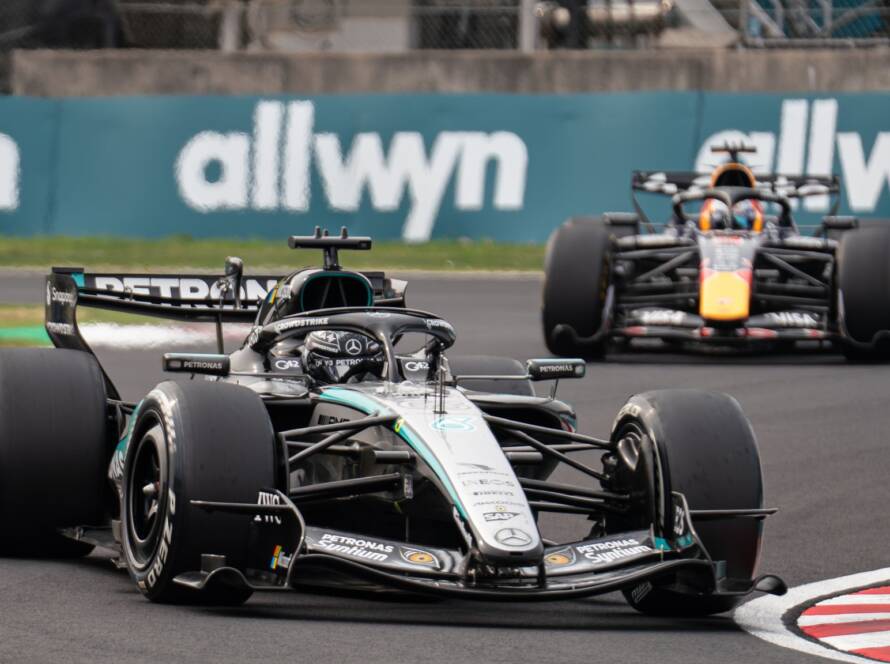
F1 branding has never been more visible. Formula 1 now sits at the intersection of performance, luxury, and global culture, from sold out paddocks to fashion week crossovers and the Netflix effect that pulled new audiences into the sport.
As the audience grows, so does brand interest. Logos appear everywhere, from front wings to fireproof gloves. But while Formula 1 has become one of the most desirable marketing platforms in sport, not every brand presence feels earned.
Visibility is easy. Belonging is not.
Formula 1 has always attracted sponsors, but in recent seasons the balance has shifted. The championship no longer offers exposure alone. It connects brands to innovation, precision, and credibility, while tapping into Formula 1’s expanding lifestyle appeal.
For brands, the attraction is obvious. Formula 1 delivers a global audience across more than 20 race weekends, constant digital storytelling, and access to one of the most brand-literate fanbases in sport. The paddock is now a space where technology companies sit alongside luxury houses, and where performance narratives extend well beyond the circuit.
What has changed is expectation. Modern F1 branding is no longer about being seen. It is about being understood.
Some partnerships feel instinctive. Not because they are loud, but because they are consistent.
Brands such as Rolex, TAG Heuer, and Pirelli have built long-term relationships rooted in shared values. Precision, durability, and performance are not marketing slogans in Formula 1. They are daily requirements.
These brands integrate naturally because their stories already exist within the sport. Timing matters. Reliability matters. Margins are microscopic. The partnership reinforces the narrative rather than competing with it.
Luxury fashion’s recent entry into Formula 1 follows a similar logic. Houses such as Louis Vuitton are not simply chasing visibility. They are tapping into craftsmanship, heritage, and exclusivity, values Formula 1 has embodied long before the spotlight widened.

When it is genuine, branding feels less like sponsorship and more like presence.
As interest grows, not every logo lands with the same clarity. Some partnerships struggle because they lack context. A brand may secure space on a car or garage wall, but without a clear link to performance, innovation, or the fan experience, the message stops at exposure.
Formula 1 fans notice these gaps. This is an audience that understands engineering updates, strategic calls, and development cycles. They are equally aware when a partnership exists only on paper. Short-term deals chasing trend momentum often fall into this category. Without storytelling, activation, or cultural relevance, the branding fades into the background, regardless of size or spend.
In Formula 1, credibility is cumulative. It is built over seasons, not weekends.
Beyond Logos, The Value of Activation
Successful brands in Formula 1 understand that the circuit is only the starting point. Modern sponsorship thrives in the spaces around the race. Digital storytelling, behind the scenes access, driver led content, and fan first activations now define return on investment. The most effective partnerships treat Formula 1 as a content engine, not a billboard.
Teams such as McLaren and Red Bull Racing have set the benchmark. Their partners are woven into lifestyle narratives, social formats, and cultural moments that extend well beyond race day.
The Bigger Picture
Formula 1 does not need more sponsors. It needs the right ones. As the sport continues to expand its cultural footprint, the difference between presence and belonging in F1 branding will only become clearer.
Brands that respect the intelligence of the audience, align with the sport’s values, and commit to long-term narratives will thrive. The rest may enjoy the spotlight briefly, but Formula 1, like the teams that compete within it, ultimately values consistency over noise.