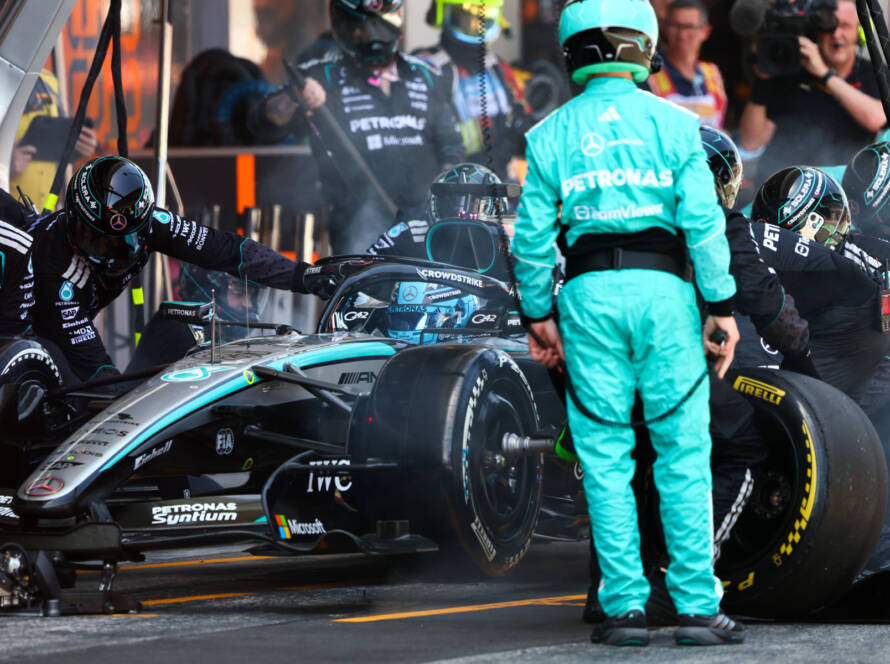
For years now, Formula 2 has positioned itself as the ground per excellence on the road to Formula 1. Designed as a direct feeder series, Formula 2 exists to answer a simple question: who is ready for Formula 1 right now?
But as the motorsport landscape evolves, alternative series are gaining credibility, and Formula 1 teams are scouting more widely than ever. In that context, it is worth asking whether Formula 2 still represents the most reliable Road to Formula 1.
Trying to answer that question is becoming increasingly complex
Why Formula 2 still matters
Formula 2 remains the only category specifically built to mirror Formula 1’s competitive demands. Its machinery, limited testing, and compressed race weekends place drivers under constant pressure. These conditions closely resemble modern Formula 1 and remain central to the traditional Road to Formula 1.
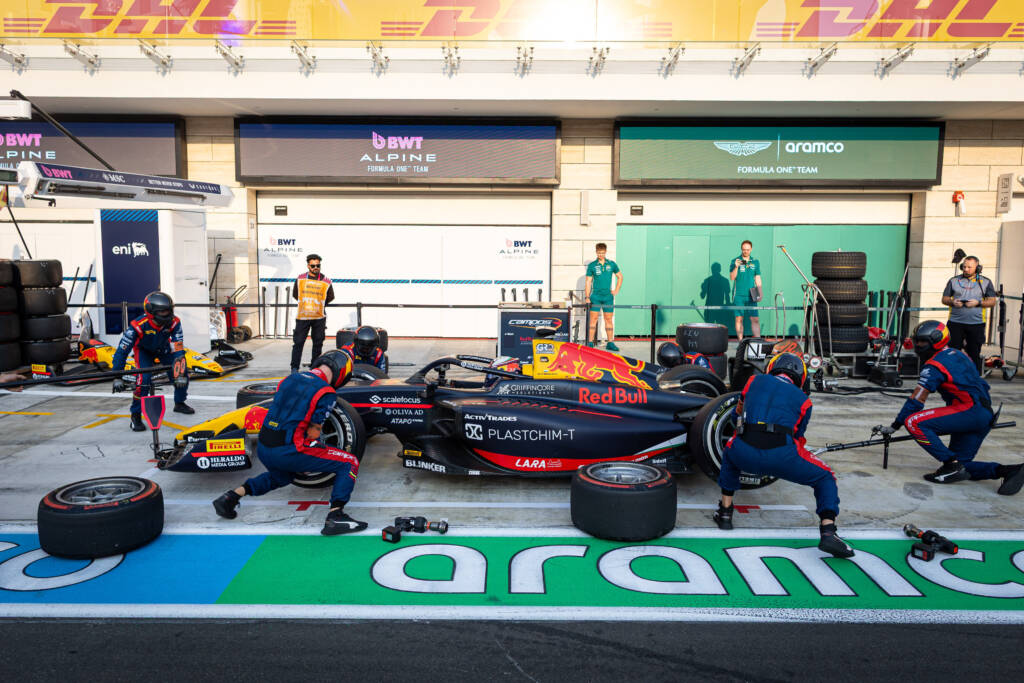
Crucially, Formula 2 races on the same weekends and circuits as Formula 1. That proximity matters. Team principals and driver academies can observe how drivers operate within the Formula 1 environment, under real scrutiny.
From an evaluation standpoint, Formula 2 also removes excuses. With equal machinery, success on the Road to Formula 1 is attributed directly to adaptability, racecraft, and mental resilience. That clarity still makes Formula 2 an attractive proving ground.
The structural problem: seats, not talent
The biggest issue facing the Road to Formula 1 today is not talent, but opportunity.
With Formula 1 seats increasingly locked in by long-term contracts, even standout Formula 2 champions struggle to progress. Oscar Piastri’s enforced year on the sidelines remains the clearest example of how the Road to Formula 1 can stall, even for proven winners.
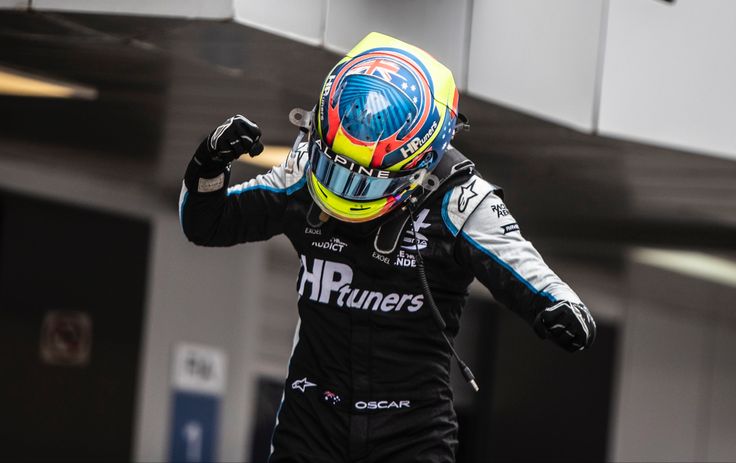
Recent seasons have confirmed that winning Formula 2 is no longer a guarantee of promotion. As a result, Formula 2 is not often viewed as a final audition rather than a secure pathway.
For drivers without strong manufacturer or academy backing, the risk associated with the Road to Formula 1 has grown significantly.
The risk of alternative pathways
As Formula 1 teams widen their scouting approach, other championships have become legitimate alternatives on the Road to Formula 1.
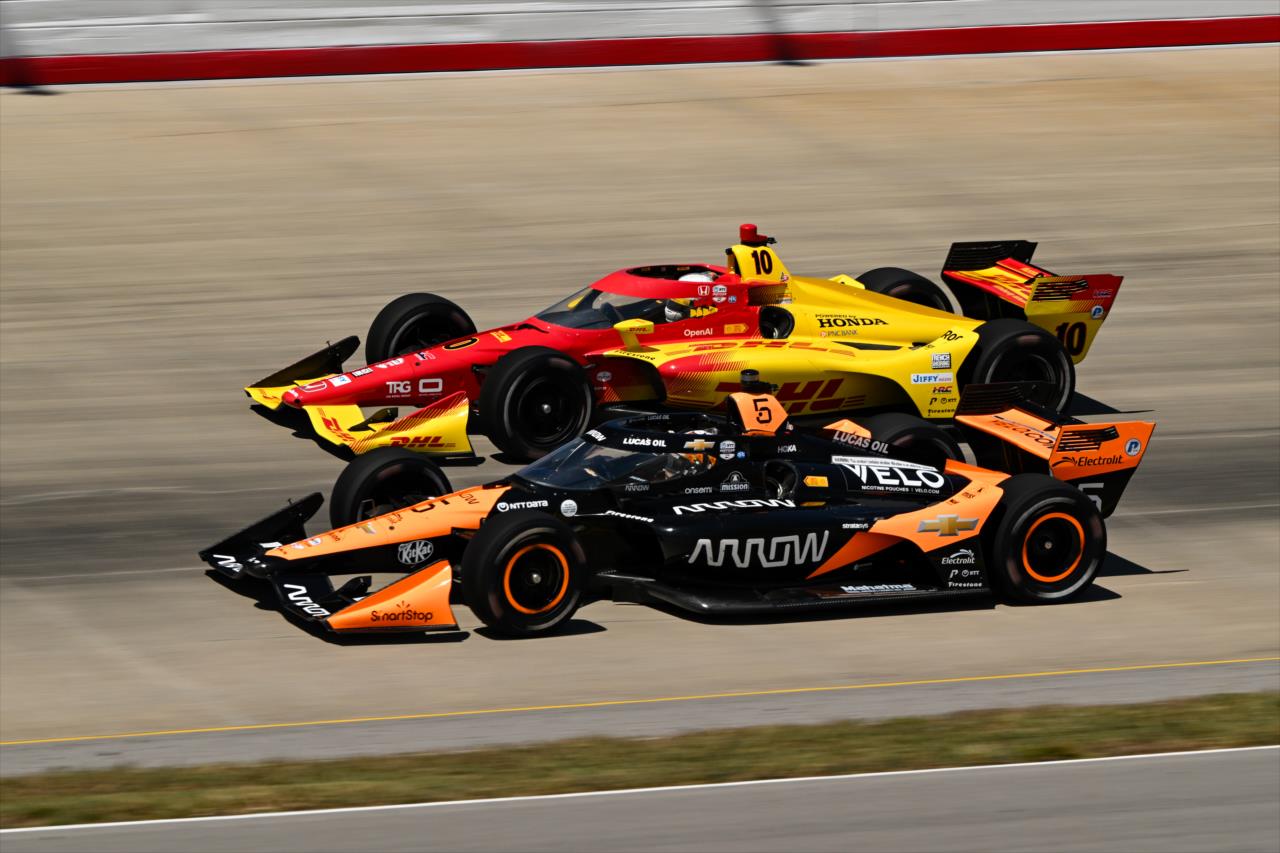
IndyCar offers intense competition, varied circuits, and heavy racecraft demands. Super Formula provides high-speed machinery and technical complexity,, often with fewer political obstacles.
At the junior level, standout performers in Formula 3 are being fast-tracked or retained longer instead of automatically promoted to Formula 2. Sim racing, endurance racing, and reserveve roles have also become part of the driver pipeline.
These alternatives reflect a change: teams are looking for drivers who demonstrate adaptability and long-term potential. The Road to Formula 1 is no longer linear.
So, is Formula 2 still the best route?
Formula 2 remains the most direct and visible Road to Formula 1, especially for drivers with strong backing and immediate performance. Its exposure and proximity to Formula 1 are still unmatched.
However, it no longer holds exclusive status. Alternative series can offer greater stability, mileage, and professional security, even if they delay or bypass Formula 1 altogether.
Today, Formula 2 sits at the centre of the Road to Formula 1, but it is now part of a wider ecosystem rather than mandatory final step.