A championship built on uncertainty
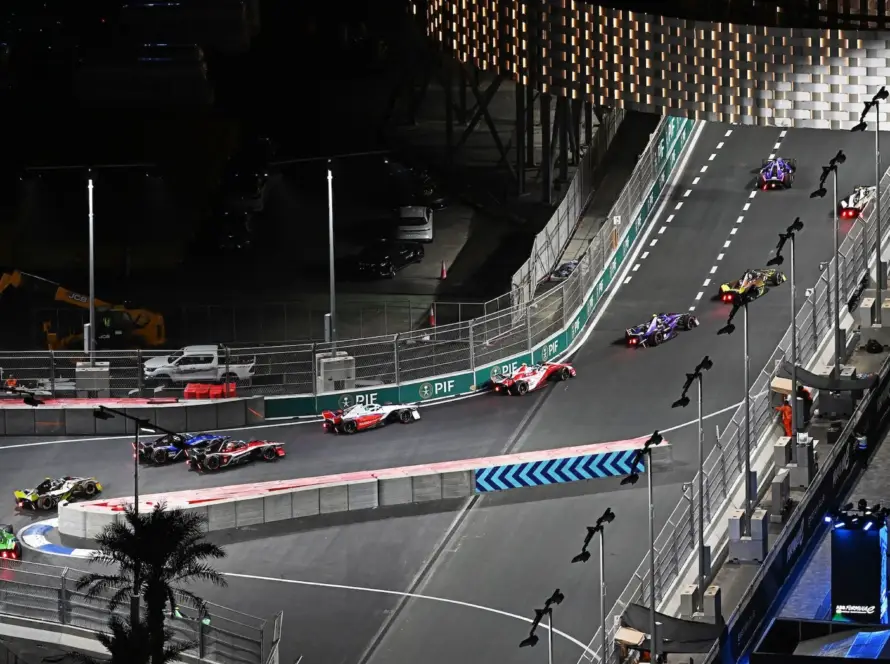
Since its creation, Formula E has chosen a different path within global motorsport. Rather than relying on technical predictability or long term dominance, the all electric championship has built its identity around balance, constant adaptation and uncertainty. Over more than a decade, that approach has not only shaped unpredictable races but has also become one of the main drivers behind the series steady growth. Few drivers embody this philosophy better than Lucas di Grassi.
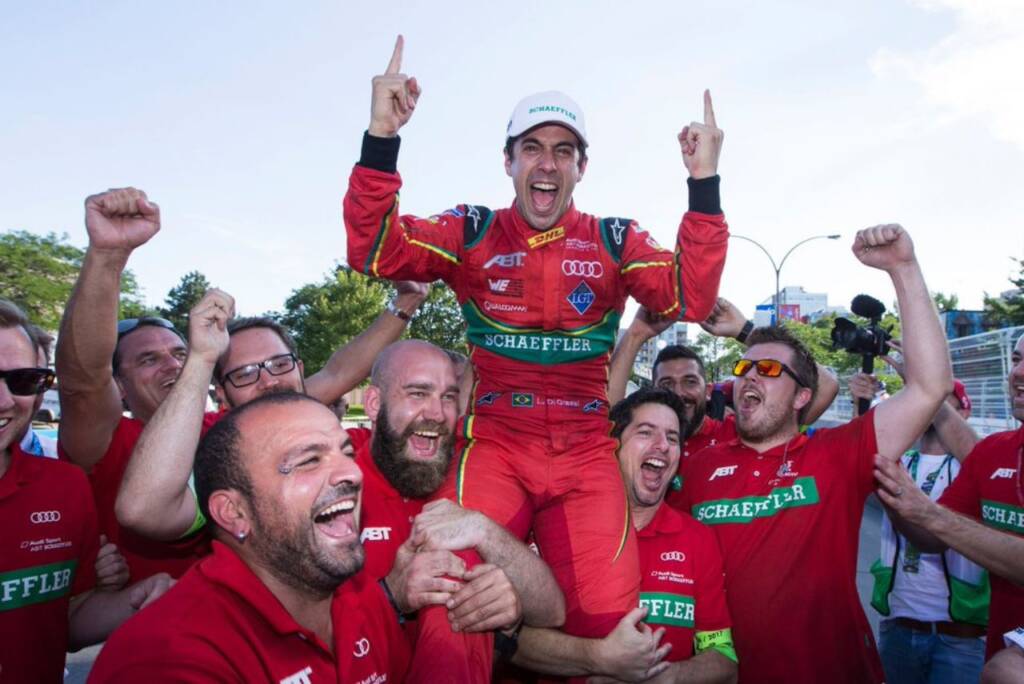
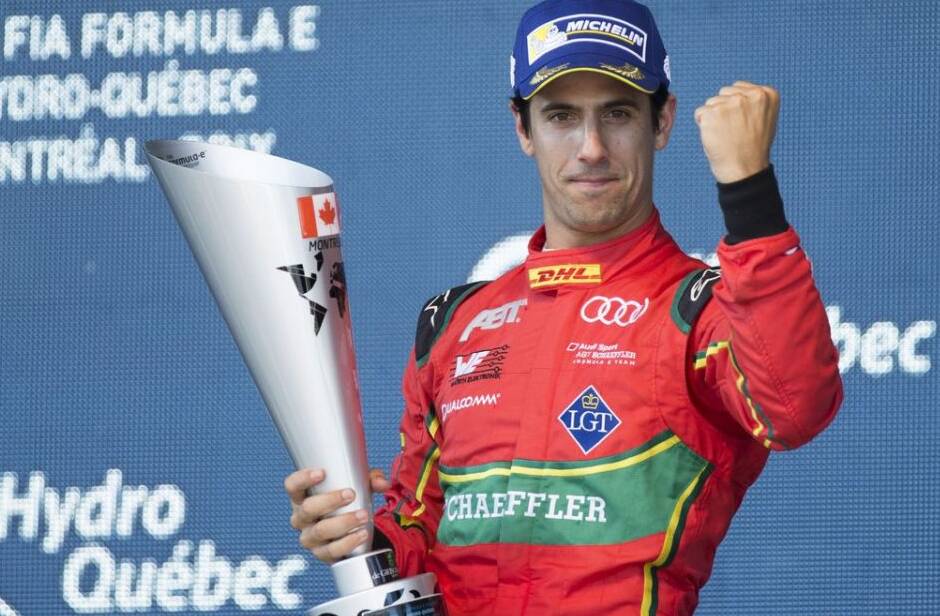
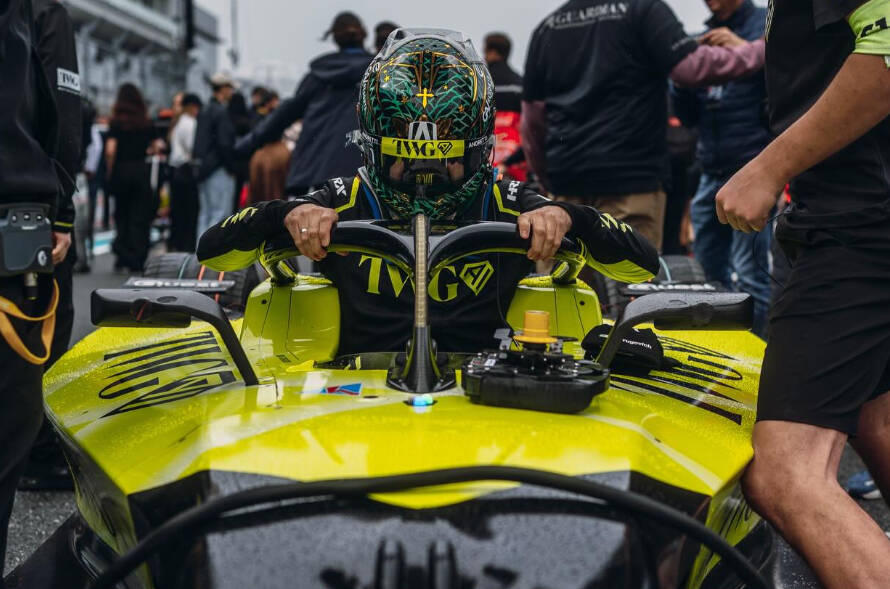
Present on the grid since the inaugural race in Beijing in 2014, the Brazilian enters his 12th consecutive season in Formula E as one of the central figures in the championship history. The 2016 17 champion and the most successful driver in the category, with 13 victories, 41 podiums and four pole positions, Di Grassi has witnessed every sporting and technological transformation of Formula E, from the Gen1 cars to the current Gen3 era.
The secret to longevity in Formula E
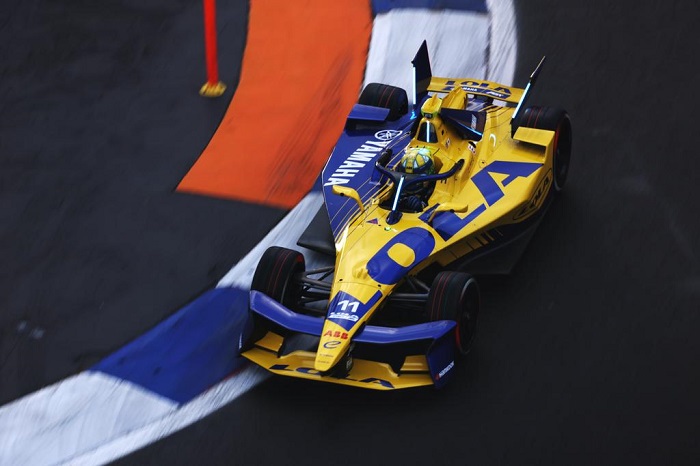
During pre season testing in Valencia, ahead of the Sao Paulo E Prix, the Lola Yamaha ABT driver reflected on what continues to motivate him after more than a decade competing in the same championship. For Di Grassi, the answer lies in the unpredictable nature of Formula E.

“What still gives me butterflies is the unpredictability of the championship. Going into Sao Paulo, you can be running at the back or fighting for a podium, even for the win. It depends a lot on the race day, on getting the strategy right, on the right conditions and on having the car properly set up.
Formula E is much more unpredictable than any other category, including Formula One. You can be first in one race and last in the next. And that is not just true for us, it can happen to everyone.
That unpredictability and competitiveness are what make me happy to still be part of it after so many years,” said Di Grassi.
That dynamic described by the Brazilian is one of Formula E defining characteristics. In a championship where margins are minimal and energy management can completely reshape a race, results rarely follow a predictable pattern. Favourites change from round to round, and the technical balance allows multiple teams and drivers to fight for victories throughout the season.
From sporting balance to audience growth
The impact of that unpredictability extends far beyond the track. Formula E has experienced consistent growth in both audience and fan base, particularly in recent seasons. After the ninth season in 2023, the global fan base grew by 17 percent, reaching 344 million people. Following the tenth season, that figure rose to 374 million fans worldwide.
In the 2024 25 season, the championship reached a new milestone by recording a record breaking audience of 561 million viewers. With that growth, Formula E surpassed Nascar and established itself as the fourth largest motorsport category in the world, behind only Formula One, MotoGP and the World Rally Championship.
That expansion is closely linked to the profile of the audience Formula E attracts. Younger, digital native fans who are less interested in predictable outcomes connect naturally with a championship where the final result is rarely obvious. The introduction of the Gen3 car intensified this landscape by raising the competitive level, reducing performance gaps and making strategic execution even more decisive. At the same time, Formula E has strengthened its engagement strategy through digital content, social media and influencer partnerships, expanding its global reach.
Experience as a competitive advantage
Within this context, Lucas di Grassi longevity carries even greater symbolic weight. Only three drivers on the current grid have competed in every Formula E season: Di Grassi, Portugal António Félix da Costa and France Jean Eric Vergne. That continuity positions the Brazilian as a key link between the pioneering years of the championship and its current phase of global expansion.
Approaching his 148th Formula E start, a milestone that coincides with the series return to Brazil, Di Grassi arrives at the Sao Paulo E Prix as one of the country leading representatives in international motorsport. Racing on home soil, the veteran reinforces his connection to a championship he has helped build since its earliest days.
Now in his second season with Lola Yamaha ABT, a team that inherited the structure of the historic ABT Sportsline operation, Di Grassi leads a young project alongside 21 year old Zane Maloney. Beyond immediate results, his value lies in race reading, energy management and a deep understanding of a championship where nothing is guaranteed.
A model for the future of motorsport
From mid race car swaps in the early years to the current Gen3 cars, more powerful and more sustainable, Formula E has evolved rapidly. Yet its core identity remains unchanged. Unpredictability remains the foundation of the spectacle.
For Lucas di Grassi, that element continues to be the main reason to stay on the grid after 12 seasons. For Formula E, it is the defining factor behind both its longevity and its continued growth on the global motorsport stage.