


Every Formula 1 season begins with expectation, but this weekend preview of the Australian Grand Prix carries a different kind of significance. Melbourne is not where championships are won, but it is often where assumptions are tested. The opening round offers the first real-world reference point for new cars, new partnerships, and long-term development directions.
Albert Park does not deliver conclusions. It provides context.
The first real test of the new regulations
This weekend preview also carries extra weight because Melbourne marks the first competitive outing under Formula 1’s new car regulations. While teams gathered data during pre-season testing, nothing replicates a full race weekend with parc fermé conditions, traffic, and genuine pressure.
Albert Park is not a forgiving place to discover fundamental weaknesses. New aerodynamic concepts, revised power unit characteristics, and altered car behaviour over kerbs and bumps will all be exposed quickly. What worked in controlled testing environments now has to survive race starts, safety cars, and strategic compromise.
As a result, this weekend preview is less about ranking teams and more about observing how well they understand their new machinery. The regulations reset the field in theory, but Melbourne will show who has adapted fastest in practice.
Why Melbourne matters at the start of the season
As a season opener, Australia has always been more about exposure than confirmation. Teams arrive with months of simulation data and controlled testing behind them, yet the reality of racing conditions quickly challenges those models. That is why a weekend preview focused on Melbourne must look beyond lap times.
Unlike Bahrain, which highlights tyre degradation and efficiency, Albert Park rewards adaptability. Cars need to respond over bumps, kerbs, and changing grip levels. Drivers must build confidence as the circuit rubbers in, often transforming balance from Friday to Sunday.
This is where early momentum can quietly begin.

Understanding the Albert Park challenge
Albert Park Grand Prix Circuit is a temporary street circuit, but it behaves differently from traditional street tracks. Its 5.278km layout blends fast straights with flowing corners, placing emphasis on front-end response and braking stability rather than outright traction alone.
Grip is low at the start of the weekend and improves rapidly. That progression makes early sessions misleading and reinforces why any meaningful weekend preview must account for evolution, not just performance snapshots.
A car that looks nervous on Friday may be competitive by qualifying. Equally, an early standout can fade once conditions stabilise.
Early-season uncertainty still defines the picture
Despite modern preparation tools, the first race of the year remains unpredictable. Fuel loads are unclear, teams are still correlating data, and many cars are not yet running their intended baseline specifications.
This is where the value of a weekend preview lies. Melbourne shows how quickly teams can adapt, how well drivers communicate feedback, and how effectively organisations respond when plans shift.
Results matter, but reaction matters more.
Strategy in an opening-round environment
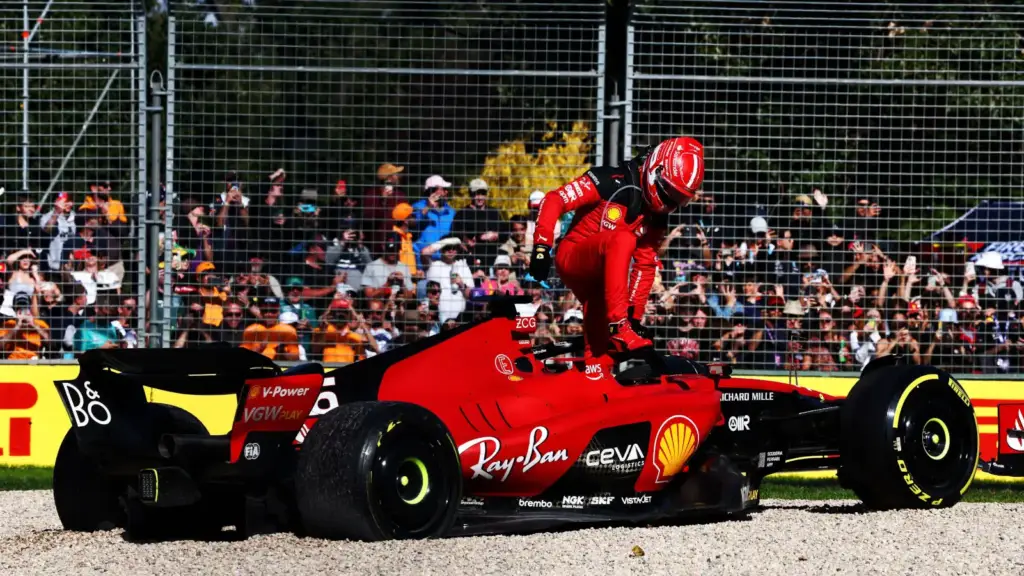
Albert Park has become more overtaking-friendly following recent layout refinements, but strategy remains sensitive. Safety cars are common, pit windows can shift quickly, and track position still carries weight.
Teams that succeed here tend to remain flexible. Pre-race plans are useful, but the race often rewards those willing to react rather than commit. From a strategic standpoint, this weekend preview points toward opportunism rather than optimisation.
Early-season races are rarely won by perfection. They are won by composure.
Drivers under early scrutiny
Opening rounds naturally sharpen attention on certain drivers. Defending champions arrive with expectation, while new pairings face immediate evaluation.
Lando Norris begins the season as the reigning world champion, now judged less on potential and more on confirmation. Alongside him, home favourite Oscar Piastri carries the additional pressure of performing in front of an Australian crowd on a circuit where confidence can grow quickly.
Ferrari’s pairing of Lewis Hamilton and Charles Leclerc remains one of the most closely observed dynamics on the grid, particularly in how early-season balance is established within the team.
And then there is Max Verstappen, whose presence continues to define competitive benchmarks regardless of regulation cycles.

A debut with longer-term meaning
One of the quieter narratives within this weekend preview is the debut of the Cadillac Formula 1 Team. Melbourne is unlikely to be about results for them. Instead, it will be about execution.
Starts, pit stops, reliability and communication will shape first impressions. For new entrants, these details matter more than finishing position, particularly in the opening phase of a season.
What Melbourne really reveals
The Australian Grand Prix rarely crowns favourites, but it does expose weaknesses. Cars that struggle over kerbs, teams that misjudge operational flow, or drivers still adapting to new systems often reveal themselves here.
That is why this weekend preview should be read with restraint. Melbourne sets direction, not destiny. The data gathered informs development paths, strategic priorities, and internal confidence heading into the early flyaway races.
Looking beyond Sunday
When the chequered flag falls, headlines will focus on winners and losers. The more meaningful signals will sit beneath the surface. How teams adapted, how drivers managed pressure, and how new concepts behaved under race conditions will shape the weeks that follow.
This weekend preview exists to frame understanding, not prediction. Melbourne opens the season by reminding us that Formula 1 remains a process, even in its most visible moments.
The first race does not tell us who will win the championship.
It tells us who has started listening to their car.


1 Comment