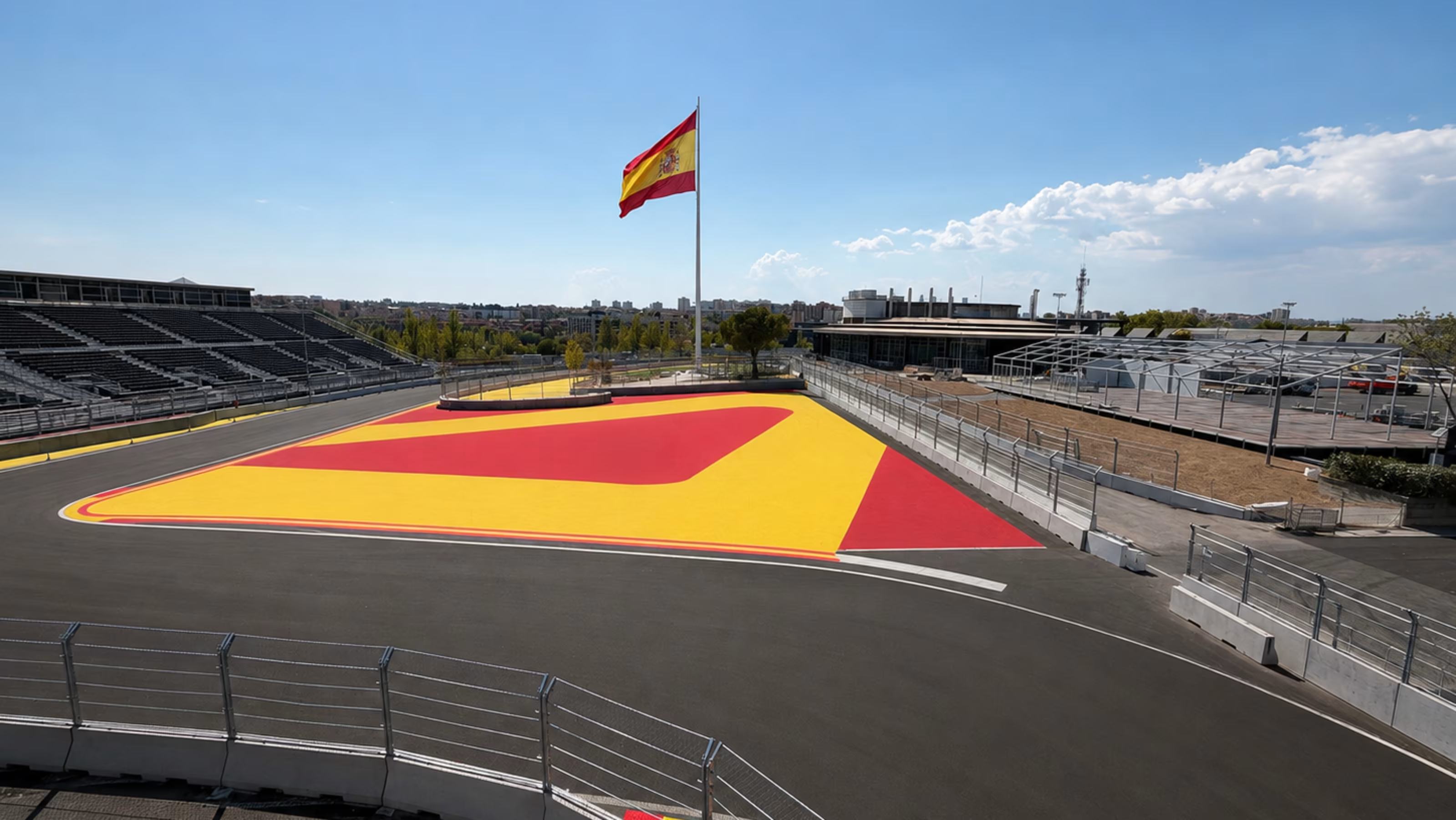
Every four years, the Olympic Games remind the world what sport looks like when it is wrapped in flags. Athletes stand beneath national anthems, medals count towards country totals, and success becomes a shared symbol of identity.
Formula 1 presents a different model. Here, cars race under corporate brands, not national banners. Yet national pride still pulses beneath the surface. The tension between country and corporation reveals much about how global sport is evolving.
The Olympic Games: sport as a national stage
In the Olympic Games, athletes compete first and foremost for their country. The symbolism is explicit. Flags are displayed, anthems are played, and medal tables are measured by nation rather than by individual achievement alone. Success carries political, cultural and emotional weight.

This model taps into something instinctive. Supporting an athlete who shares your nationality feels natural. Victories are celebrated collectively, and defeats are experienced communally. The Olympic Games are not simply sporting contests; they are global performances of national identity.
In this environment, loyalty is clear and structured. The lines are drawn geographically. The identity of a team or individual is inseparable from the country they represent.
Formula 1’s corporate structure
Formula 1 operates differently. Teams do not represent countries; they represent constructors and brands. Ferrari, Mercedes, McLaren or Red Bull are not national delegations. They are multinational organisations with global workforces, complex supply chains and corporate ownership structures.
A modern Formula 1 team might be based in one country, powered by an engine built in another, funded by sponsors from several continents and staffed by engineers from across the world. The identity presented on race day is corporate rather than national.
Yet the picture is not entirely detached from geography. Ferrari remains closely associated with Italy. Mercedes carries German heritage. McLaren evokes British engineering. These associations are cultural rather than official, but they shape how fans perceive teams. Formula 1 may be corporate on paper, but emotion often fills the national gap.
Drivers as carriers of national identity
Where national pride most clearly surfaces in Formula 1 is through drivers. Unlike teams, drivers race under their country’s flag. Their nationality is displayed on timing screens, helmets and broadcast graphics. When a driver wins, the anthem played on the podium reflects their homeland.

This dynamic allows national identity to coexist within a corporate framework. A Dutch, British or Japanese driver can ignite interest in Formula 1 within their home country even if their team is headquartered elsewhere. The rise of a competitive driver often corresponds with increased viewership and engagement in that region.
Fans frequently balance dual loyalties. They may support a team for its history while celebrating a driver for shared nationality. This layered attachment creates a hybrid form of fandom that differs from the clear-cut structure of the Olympic Games.
Globalisation and changing loyalty
Modern sport exists in a deeply globalised context. Streaming platforms and digital media allow fans to follow teams and athletes without geographical barriers. Younger audiences often form attachments based on personality, storytelling or aesthetics rather than nationality alone.
In football, local club identity remains powerful, yet even there global fan bases have expanded beyond city boundaries. Formula 1 has taken this further. Many supporters choose a team or driver without any national connection. Loyalty becomes personal rather than geographical.
This shift reflects broader cultural patterns. Workforces are international, brands are global and digital communities transcend borders. In this environment, corporate identity can feel as natural as national allegiance once did.
Emotion vs commercial reality
There is an argument that national representation generates stronger emotional engagement. The rivalries of the Olympic Games are intense because they tap into shared history and cultural pride. Corporate competition, by contrast, may appear more commercial and less tribal.
Yet corporate identity brings its own strengths. It allows for financial stability, long-term brand building and cross-border appeal. Formula 1’s commercial model has enabled the sport to expand into new markets and attract diverse sponsors. This stability supports innovation and continuity.
Rather than replacing emotion, the corporate model reshapes it. Fans invest in brand stories, team philosophies and driver personalities. The passion remains, but its source evolves.
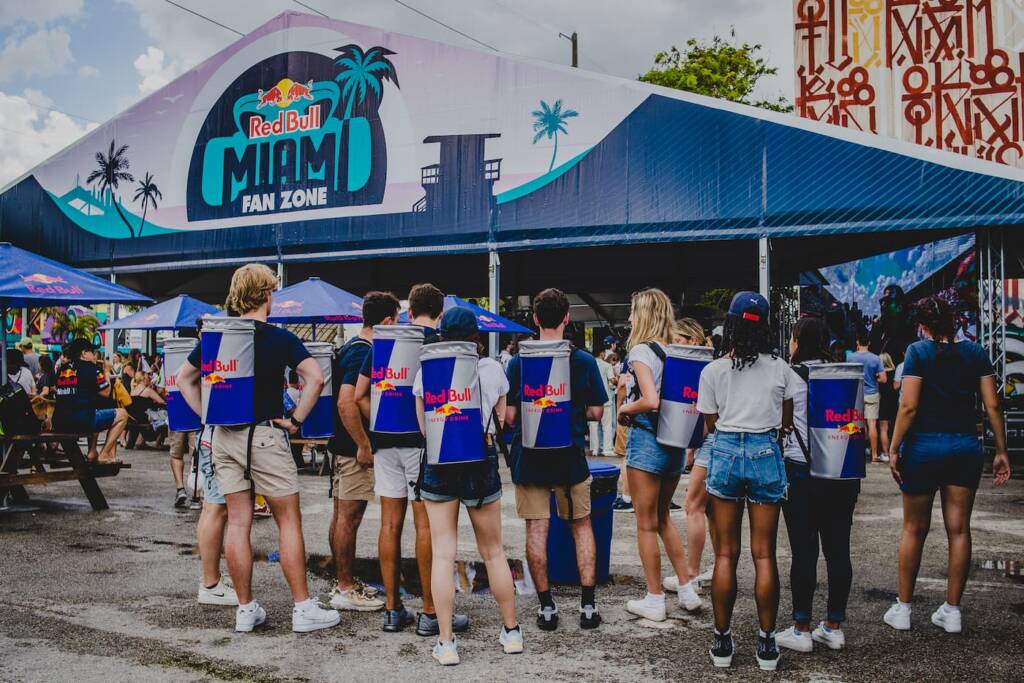
A hybrid future for global sport
The contrast between national pride and corporate identity is not a simple opposition. Formula 1 demonstrates that the two can coexist. Drivers provide a national anchor. Teams provide a corporate structure. Fans navigate both layers simultaneously.
As global sport continues to expand, hybrid identities may become more common. National symbolism offers emotional depth. Corporate frameworks offer financial strength and international reach. The balance between them shapes how fans connect to competition.
Formula 1, with its multinational teams and nationally identified drivers, sits at the intersection of these models. It reflects a world where identity is more fluid than before. Loyalty is no longer defined solely by geography, but neither is nationality irrelevant.
In the end, sport remains a platform for belonging. Whether through a flag or a brand, fans seek connection. The form may change, but the instinct endures.