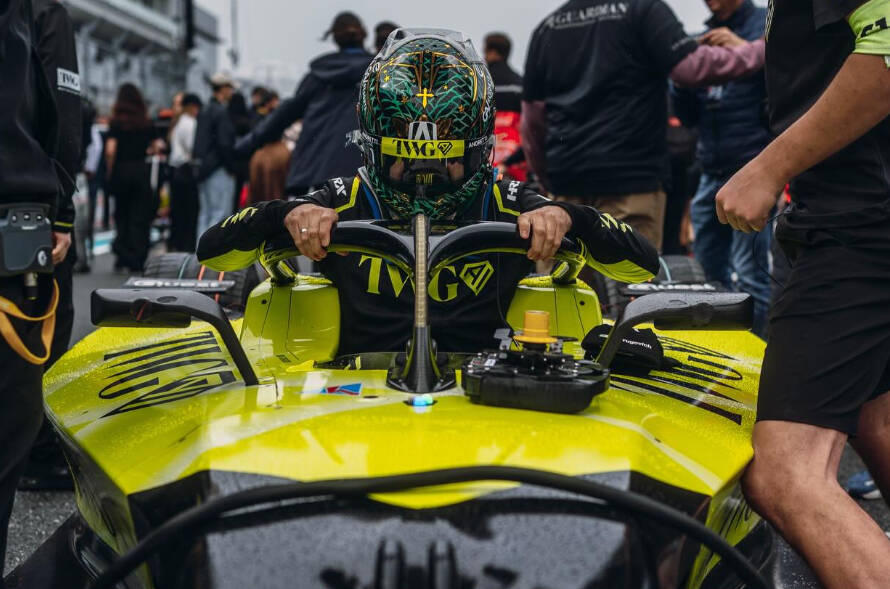
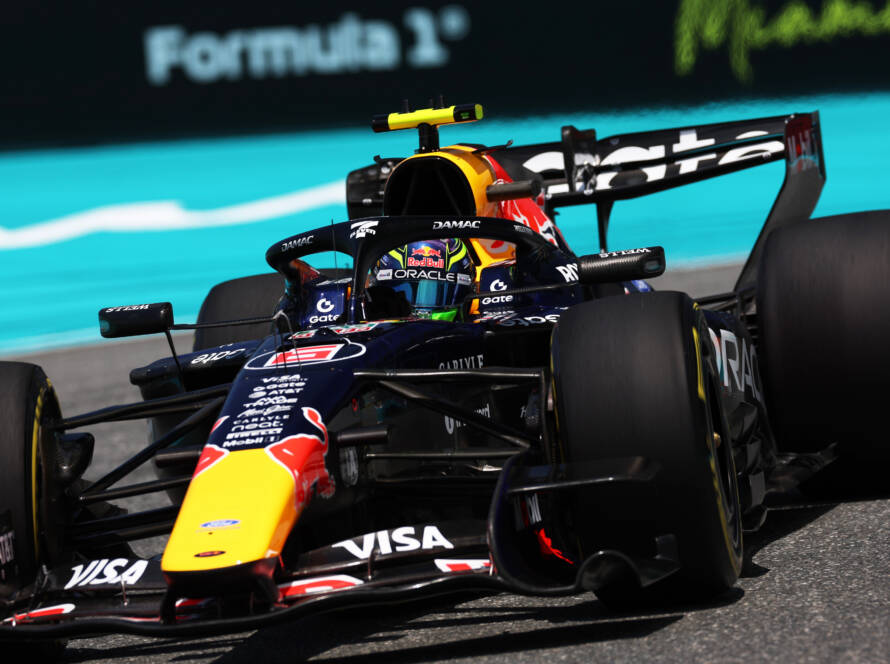
The first Formula E race in Madrid was always going to carry sporting significance. What happened around it turned it into something much bigger.
From the presence of King Felipe VI to a paddock filled with global figures from sport, music and entertainment, the CUPRA Raval Madrid E-Prix positioned itself as one of the defining social events of the weekend in the Spanish capital. The racing delivered a historic debut. The context around it elevated the event into a statement about where Formula E is heading and how Madrid fits into that evolution.
Institutional backing gives the event real weight
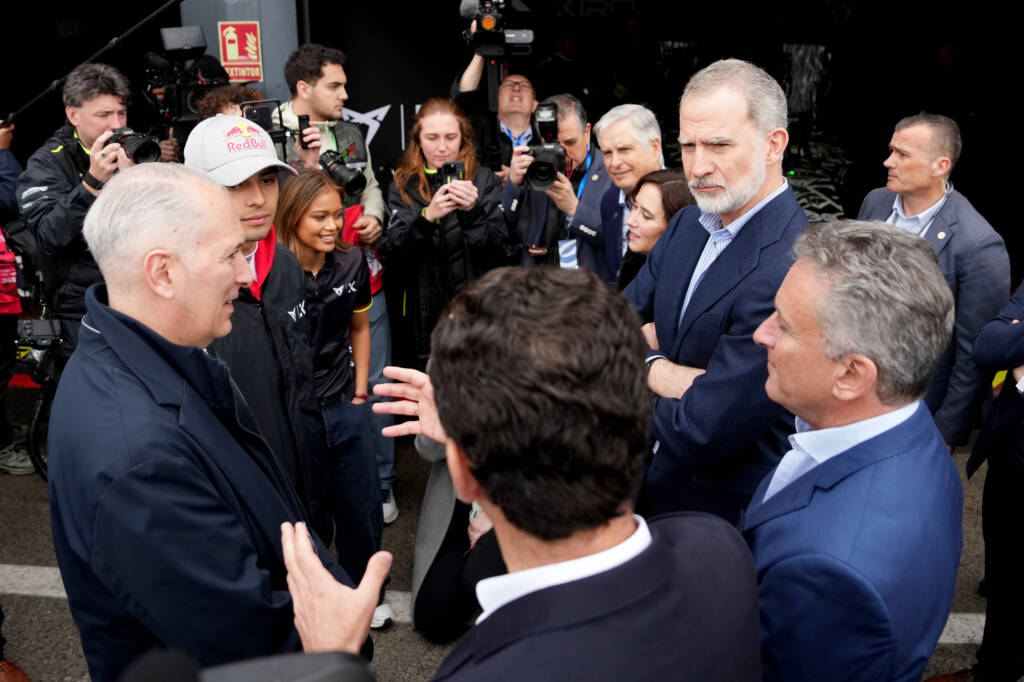
The attendance of King Felipe VI at the Circuito del Jarama reframed the race from the outset. This was not simply a new addition to the calendar. It became a moment of national visibility, reinforced by the presence of political leaders and key figures from across Spanish institutions.
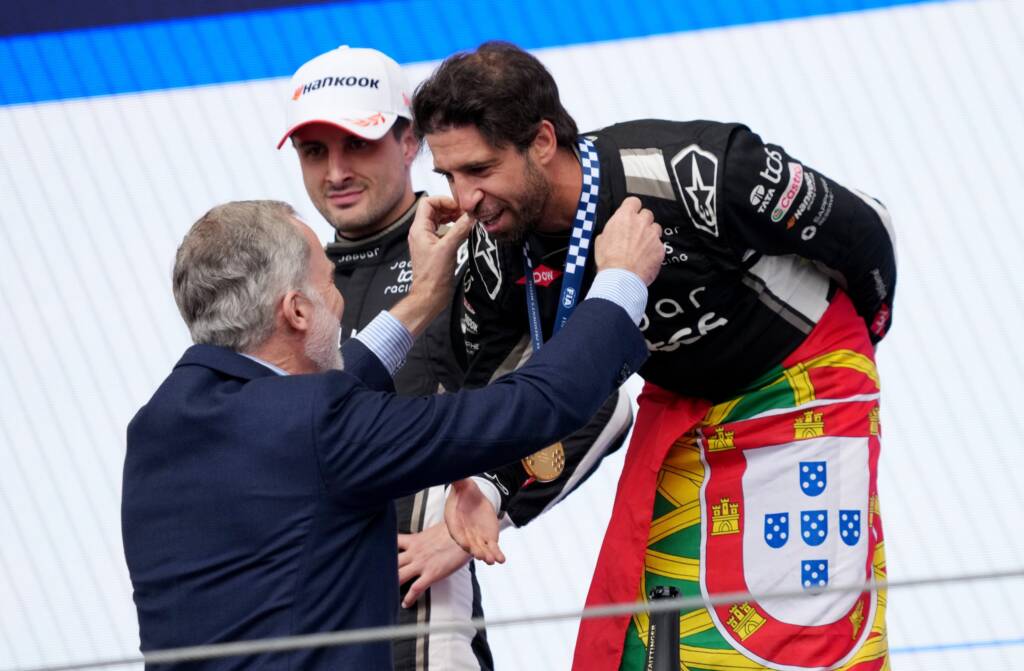
His role went beyond symbolic presence. The King presided over the event, attended the pre-race formalities and awarded the trophy to the race winner, underlining the importance of the occasion within Spain’s sporting and technological landscape .
That level of institutional backing aligns directly with Formula E’s positioning. The championship has built its identity around innovation, sustainability and future mobility, and Madrid’s debut reflects how those themes are now being embraced at a governmental and strategic level. The race becomes part of a wider narrative about how cities position themselves within the future of global sport.
A paddock that reflects Formula E’s wider ambition
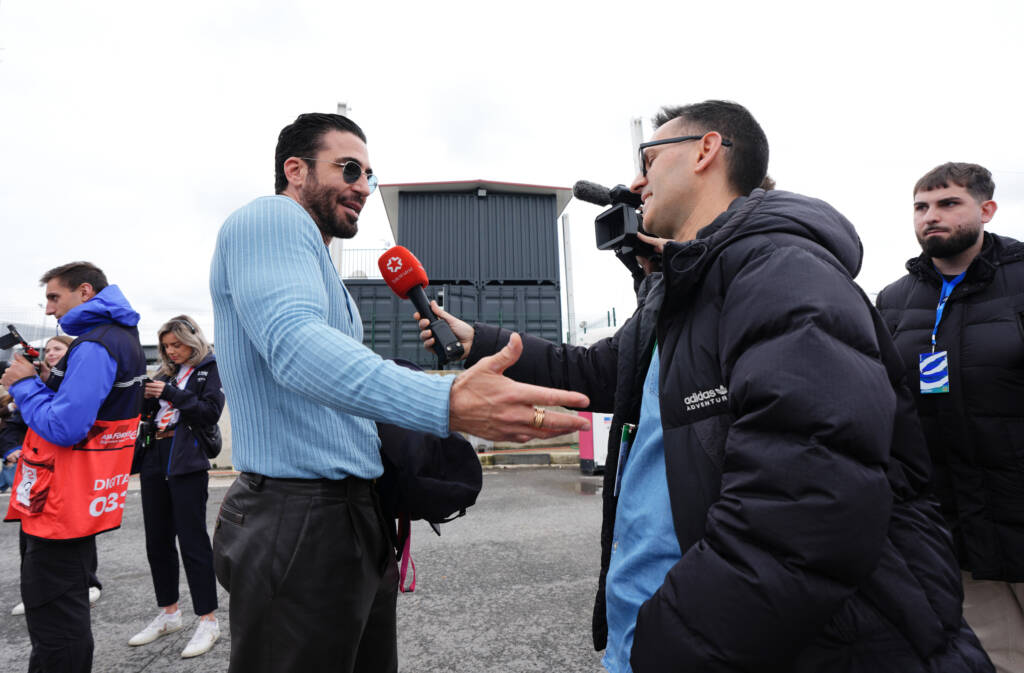
Beyond the institutional presence, the Madrid E-Prix stood out for the range of personalities it attracted. The paddock and hospitality areas became a crossover space where motorsport met football, music and entertainment, reinforcing Formula E’s identity as more than just a racing series.
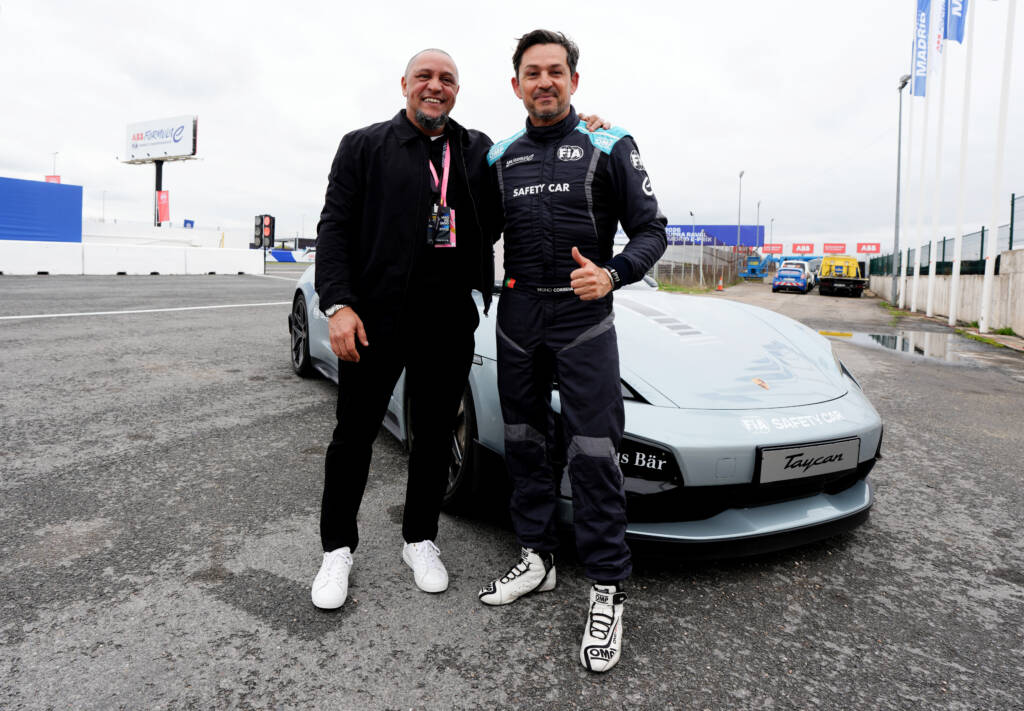
Football figures such as Dani Ceballos, Thibaut Courtois and Roberto Carlos were present, alongside artists like David Bisbal and Omar Montes. In parallel, actors and global names including Miguel Ángel Silvestre and Idris Elba added another layer to the event’s visibility.
This mix is not accidental. Formula E has consistently aimed to position itself at the intersection of sport and culture, creating events that feel integrated into the cities they visit rather than isolated from them. Madrid, with a sold-out crowd and strong local engagement, amplified that approach in a way few other venues have managed so far.
The racing delivers a historic first chapter
For all the off-track attention, the success of the event still depended on what happened on track. The race itself delivered a clear and credible sporting narrative, with António Félix da Costa taking victory in the first-ever Madrid E-Prix.
The Portuguese driver secured his second consecutive win of the season, leading a Jaguar one-two ahead of Mitch Evans, while Pascal Wehrlein completed the podium . It was a result that reinforced Jaguar’s early-season strength and added competitive substance to an event that already carried significant external attention.
For the local audience, the focus naturally shifted to Pepe Martí. The Spanish driver briefly led the race through strategy, giving the crowd a moment that connected directly with the significance of the occasion, before ultimately finishing in the points after a race shaped by energy management and positioning .
That combination of narratives mattered. The event delivered both a clear sporting outcome and a local story that resonated with the crowd, ensuring that the spectacle was supported by genuine racing credibility.
Jarama bridges history and the future of the sport
The choice of Jarama as the venue adds another layer to the event’s meaning. A circuit that once hosted Formula 1 now becomes the stage for a championship built around electric technology and sustainability, creating a direct link between the past and the future of motorsport.
It is also significant from a technical perspective. The Madrid E-Prix marked the first time Formula E has raced on a permanent circuit, introducing a different type of challenge compared to its usual street tracks . The layout, with its elevation changes and flowing sections, required drivers to adapt their approach to energy management and race execution in a way that is not typically seen in the series.
That shift adds depth to the championship. It expands the range of circuits and scenarios Formula E can operate in, while also reinforcing its ability to evolve without losing its core identity.
Madrid strengthens Formula E’s global positioning
The addition of Madrid to the calendar is not just about expanding into a new city. It is about reinforcing Formula E’s presence in locations that can support its hybrid identity as both a championship and a cultural platform.
With sold-out attendance, strong institutional backing and significant visibility, Madrid has already demonstrated its value as a host. The event also contributes to a broader trend, where cities use motorsport not only as a sporting attraction but as a tool for economic impact, global exposure and technological positioning.
In that sense, the Madrid E-Prix is part of a larger shift. It reflects how motorsport is being integrated into wider conversations about sustainability, innovation and urban identity.
A debut that sets a clear direction
The first Madrid E-Prix will ultimately be remembered for more than just its result. It established a template for what the event can become and how it fits within the wider Formula E calendar.
It showed that the championship can operate at the intersection of sport, culture and institutional relevance without losing its competitive core. It confirmed that Madrid is capable of hosting an event that goes beyond racing, while still delivering a credible sporting product.
This was not just a debut. It was a statement about scale, positioning and ambition.