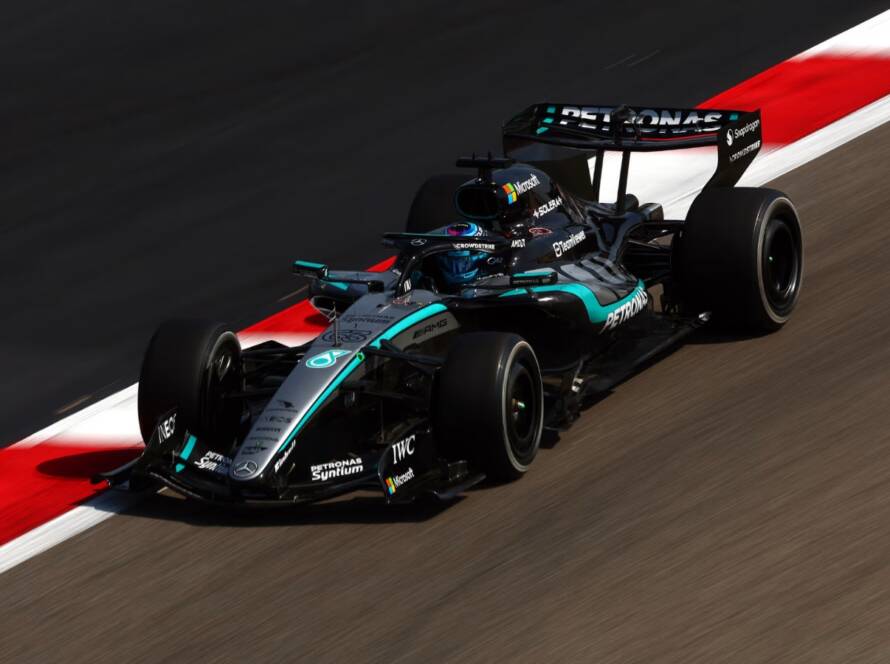
Formula 1 V8 engines could be heading towards one of the sport’s most symbolic changes in recent years, as the Formula 1 considers a return to simpler and louder power units. The proposal, backed by Mohammed Ben Sulayem, president of the FIA, comes as a direct response to growing criticism of the current hybrid era and increasing concerns over complexity. According to the FIA president, the return of Formula 1 V8 engines is expected by 2031, with a possible introduction as early as 2030 depending on manufacturer support. “It is on the way, at the end of the day it is a matter of time,” he said, adding, “by 2031 we will have the authority to do it, but we would like to introduce it earlier, because that is what everyone is asking for.”
The objective is not only to bring back the iconic sound associated with past eras, but also to simplify Formula 1 at a time when technological progress has introduced unintended consequences. From 2026, power units will deliver close to a 50/50 split between electric energy and internal combustion, alongside fully sustainable fuels. However, this has forced drivers into increasingly complex energy management strategies, directly affecting racing dynamics and fan engagement. In this context, the return of F1 V8 engines is seen as a way to restore a more natural racing flow.
F1 reproduction
Why the FIA wants to bring back Formula 1 V8 engines
The current Formula 1 landscape has raised important concerns. Drivers have criticised the constant need to save energy, even during attacking laps, leading to what many describe as artificial racing. In some cases, drivers must lift off in high-speed sections to recharge batteries, creating pace differences that impact both spectacle and safety. Highlighting the benefits of a potential shift to Formula 1 V8 engines, Ben Sulayem stated, “you gain the sound, less complexity, less weight.”
Beyond performance, the technical complexity of modern regulations, including energy recovery limits measured in megajoules and highly sophisticated hybrid systems, has made the sport less accessible to casual fans. In this context, V8 engines in Formula 1 emerge as a balanced alternative, simpler, lighter and with significantly reduced electrification, while still aligned with sustainable fuel usage.
The move could also help control costs and stabilise manufacturer involvement. Current engine suppliers include Mercedes-Benz, Ferrari, Honda and Audi, alongside Red Bull Powertrains in partnership with Ford Motor Company, and the future entry of General Motors.
When Formula 1 V8 engines could return
Under current regulations, the FIA can enforce the switch to Formula 1 V8 engines in 2031 without unanimous approval from manufacturers. However, an earlier introduction in 2030 remains possible if at least four of the six engine suppliers agree. While discussions around a potential return of V10 engines have surfaced in the past, Mohammed Ben Sulayem dismissed that option, reinforcing the focus on V8s, “V10 is not a viable option at the moment, V8 is more relevant and makes more sense for what we want.”
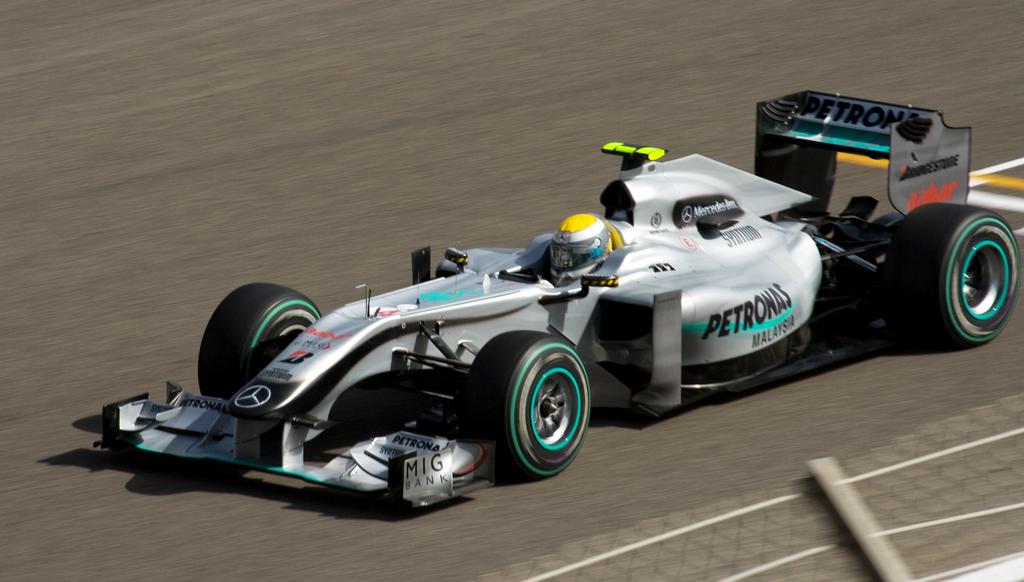
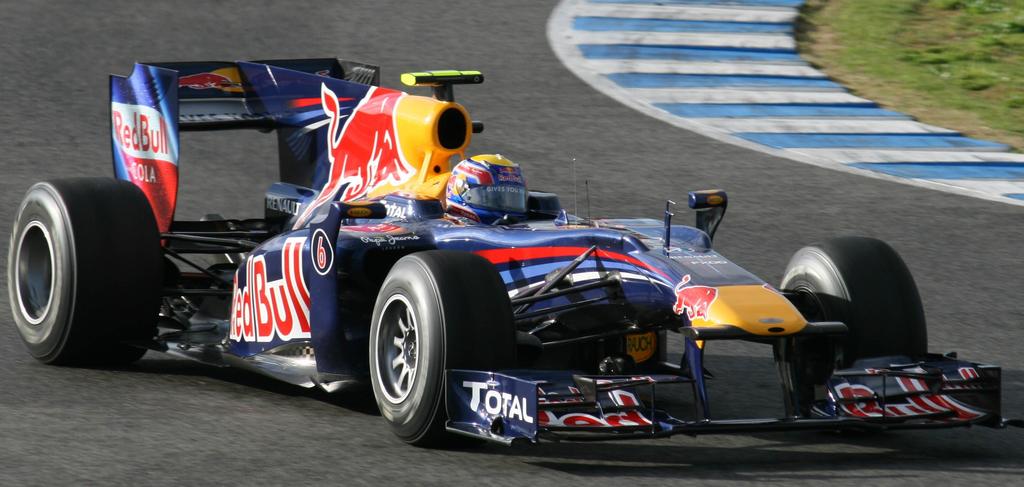
The last time Formula 1 used V8 engines was between 2006 and 2013, an era still remembered for its distinctive sound and more straightforward racing, with less interference from complex energy systems. Now, with the promise of reduced complexity, lower weight and stronger emotional appeal, the championship appears to be searching for a new balance between technological innovation and on-track spectacle. As Ben Sulayem summarised, “it will happen, the V8 is coming.”
The discussion around Formula 1 V8 engines also reflects a broader shift in how the sport balances innovation and entertainment. While hybrid technology remains important for road relevance, the FIA recognises that fan engagement, sound and simplicity still play a crucial role in Formula 1’s identity. The potential return of F1 V8 engines could therefore mark not just a technical change, but a strategic move to reconnect the sport with its audience while maintaining a sustainable future.