The Dutch Grand Prix arrives at a moment in the season when everything feels slightly unsettled. Drivers return with a mix of rest and rust, engineers return with new theories to test, and the championship picture returns with a few hairline cracks that were not visible before downtime. When the paddock reconvenes, there is a strange blend of confidence and uncertainty. Circuit Zandvoort confronts them immediately.
The track is narrow, technical, and relentless. There is no long straight to mask balance issues, no slow corner to rebuild rhythm, no forgiving runoff to soften mistakes. The Dutch weekend forces everyone to show their hand from the first lap. FP1 becomes a recalibration exercise as drivers feel out grip levels and the unpredictable coastal wind. Once FP2 runs its course, the weekend’s shape becomes clearer. The cars that arrived with genuine upgrades show it immediately, and the ones that came back unchanged begin to fall into familiar patterns.
This is why the Dutch Grand Prix works so well as a reset. It does not wait for the season to find its shape. It defines the shape. Zandvoort demands clarity from the first lap, and clarity is exactly what the second half of the season needs.
The roller coaster circuit of Zandvoort
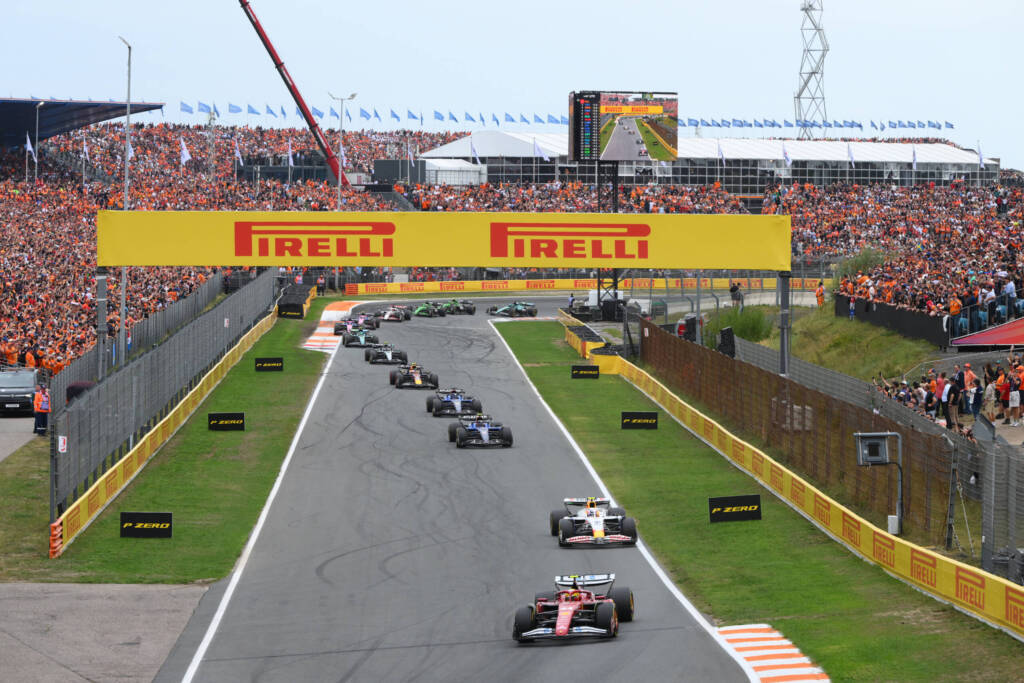
Zandvoort feels like a roller coaster because the track keeps the car moving in several directions at once. The surface rises and drops, the corners are steeply banked, and the car is constantly being pushed and pulled as it goes through the lap. Modern Formula 1 cars are built to stay steady and predictable, but the Dutch circuit does not give them that comfort. The car is always reacting to something, whether it is a change in height, a shift in weight, or the way the banking pulls it into the corner.
Drivers can feel these changes through their hands and through the seat of the car. The car becomes lighter over the small crests and heavier in the compressions. It leans into the banking and then releases again as the track straightens. Zandvoort keeps the car in motion in a way that is unusual in today’s calendar, and that movement creates a kind of energy that drivers have to manage from the first corner to the last.
Turn 3 Hugenholtz is the easiest place to see how Zandvoort behaves. The car drops downhill into the corner and then meets a steep, 18‑degree bank. The banking pushes the car into the track surface and gives the tyres a sudden burst of grip. As the car leaves the corner, that pressure fades and the balance shifts again. Drivers have to turn in with confidence because the grip arrives a moment later than their instincts expect. After a summer break, this is often where you can see who has settled back into the car and who is still finding their rhythm.
The middle of the lap, from Turn 7 through Turn 9, shows another side of the circuit. This is where the car needs to stay steady while it moves through a long, flowing sequence. When a car is well balanced, it moves through this part of the track smoothly and without drama. When it is not, the driver has to make small corrections to keep it on line. Zandvoort is narrow here, and the track keeps changing shape under the car, so even small mistakes become obvious.
Finally, Turn 14 Arie Luyendyk is the last major corner and the one that sets the run to the finish line. The car rises slightly, drops into the banking, and then fires out toward the straight. It feels fast and committed, and drivers need to trust the car completely to carry speed through the exit. A clean run here can set up a strong lap. A cautious one can undo the work of the previous corners.
This roller coaster identity is not only a driver challenge. It is an engineering headache. Zandvoort forces teams to make very precise choices about how the car rides over the track. The height of the car and the stiffness of the suspension have a big effect here because the surface rises, drops, and leans through the lap. Too stiff and the car becomes unstable over crests. Too soft and the aero platform stalls in compressions.
The floor sensitivity of modern cars makes every millimetre matter. Tyre warm up becomes unpredictable. The banking loads tyres aggressively, but the coastal wind cools them just as quickly. The car feels different at every point of the lap, and drivers must adapt in real time.
This is why Zandvoort is such a powerful diagnostic tool. It reveals platform stability, aero consistency, and tyre behaviour in ways few circuits can. The Dutch Grand Prix becomes a stress test disguised as a race weekend.
The weekend that sets the tone
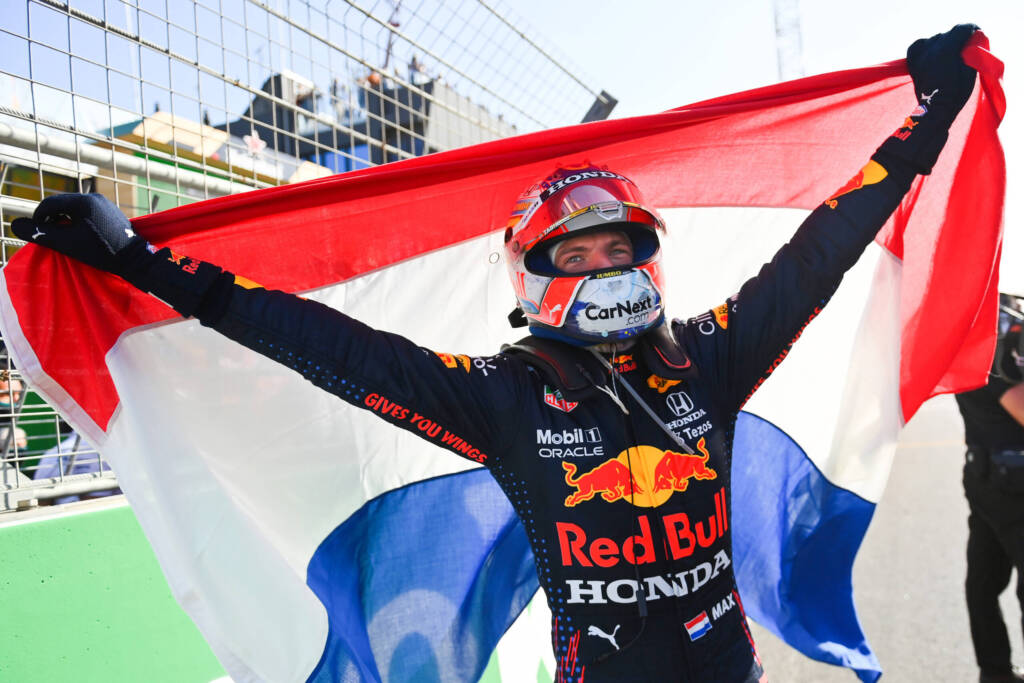
The Dutch Grand Prix does more than restart the season. It defines the trajectory of the second half. Teams bring upgrades they have been sitting on for weeks. Drivers return with recalibrated confidence. Championship contenders try to reassert control. Midfield teams try to reinvent themselves. Zandvoort becomes the place where all of those ambitions collide with reality.
Strategy here is always a balancing act. The short lap compresses margins, making qualifying disproportionately important. Track position becomes a form of currency. Tyre management becomes a quiet war as high lateral loads punish the front left and rear right, while the banking creates temperature spikes. Gravel traps make safety cars likely, adding volatility to a race that already feels like it is running on a knife edge.
However, the coastal wind adds another layer of uncertainty. Onshore gusts destabilize braking into Turn 1 and compromise mid sector rotation. Offshore wind cools tyres and makes the banking trickier. Zandvoort is one of the most meteorologically sensitive circuits on the calendar, and the Dutch weekend often swings on wind direction alone.
The significance of this race is not limited to strategy or weather. It is the clarity it provides. The Dutch Grand Prix becomes the first checkpoint of the second half. Drivers shake off the break. Teams reveal their upgrade direction. Championship contenders either re establish momentum or lose it. The Dutch Grand Prix marks the moment when the season moves into its defining stretch.
Related: previous race analysis.