


Mental Health has always been central to performance when it comes to elite sport. With the Milano Cortina Olympics coming to an end, key figures like Eileen Gu and Alysa Liu have emerged as strong influential role-models on social media. Athletes like them, winning with a renewed mindset that prioritises joy, personal fulfilment and self-awareness over external pressure and expectation, have broadly appealed to GenZ in particular. The world of motorsport has only recently warmed up toward the topic: Lewis Hamilton and Lando Norris being two of the more outspoken drivers in Formula 1 when it comes to mental health. With Susie Wolff on the forefront, F1 Academy has prioritised the topic in their media coverage from the beginning.
The trickle-down effect: Susie Wolff leads the way
Appointed Managing Director in 2023, Susie Wolff functions as a key role model for women in motorsports. Next to her success in DTM and her widely known time development and test driver for the Williams F1 Team, Wolff has often been praised for being outspoken. She experienced the pressure of a male dominated industry first hand and has stressed how important being surrounded by a strong team and support system is. Further, she regularly acts as motivational speaker with topic highlights such as diversity, learning from setbacks and perseverance in high pressure environments. Having someone like her be the head of the racing series sets a tone for the environment F1 Academy presents. Wolff aims to create a culture of trust and empowerment for young drivers and has often stated how her main goal is long-time success for her drivers, ensuring they have the mental and professional tools to succeed in motorsport. This is, for example, visible in the official F1 Academy Driver Development guide. The openly accessible handbook features Technical and Tactical Driving Skills just as intensely as Mental Skills Development.

A champion speaks out: Marta Garcia
One of the most prominent figures connected to F1 Academy is Marta Garcia, the champion of the inaugural season in 2021. After her win, she moved up to the Formula Regional European Championship (FRECA) with a funded seat and has since then joined the Iron Dames as an endurance racer. Her career has accelerated impressively, both on track and also on social media, where she has also titled herself a “voice for change” next to racing driver. Already as a rookie in F1 Academy, Garcia has used this voice to speak up about mental health: She openly discussed the mental health issues she had experienced up to the 2023 season, mentioning how the pressures of motorsports can be an often-daunting barrier for a young driver. In 2021 in particular, Garcia struggled with anxiety and explained how she started working with sports psychologists and clinical psychologists. The work she put in to be more in tune internally paid off, and she was able to enter F1 Academy in a solid headspace, finding a great rhythm with the PREMA team and being able to put 100% of her efforts towards racing. Her openness about these topics, paired with the success her working process showed, is a powerful reminder for the importance of having body and mind work together well. It left Garcia with valuable learnings she went on to share with the next cohort of F1 Academy drivers. Next to Susie Wolffs advice she also passed on key statements of confidence, self-belief and teamwork.

A champion speak out: Abbi Pulling
Garcia is not the only F1 Academy champion who has publicly set an example: In support of World Mental Health Day 2024, Abbi Pulling opened-up about the pressures of racing. She stresses the importance of introspection and actively dealing with her mental health and wellbeing, both during a racing season as well as off-track.
“I always say a happy Abbi is a fast Abbi.”
Abbi Pulling
She goes on to accredit a calm mental state as a key performance factor while driving. Mental happiness and reduction of stress allowed her to put out her best performance, especially paired with a solid network of people working with her. Pulling also brings up the topic of rest, and how relaxation between race weekends is not to be underestimated. Especially in a sport as multifaceted as racing, where results don’t always reflect performance, a routine preparation around mental strength plays an important part. In her 2024 F1 Academy season, Pulling worked with a mental performance coach and explained adapting journaling techniques with him and redirecting her focus on the things she can control. In her preparation for the race, this was a routine step just as the technical work with her engineer followed next.
Mental fitness and identity
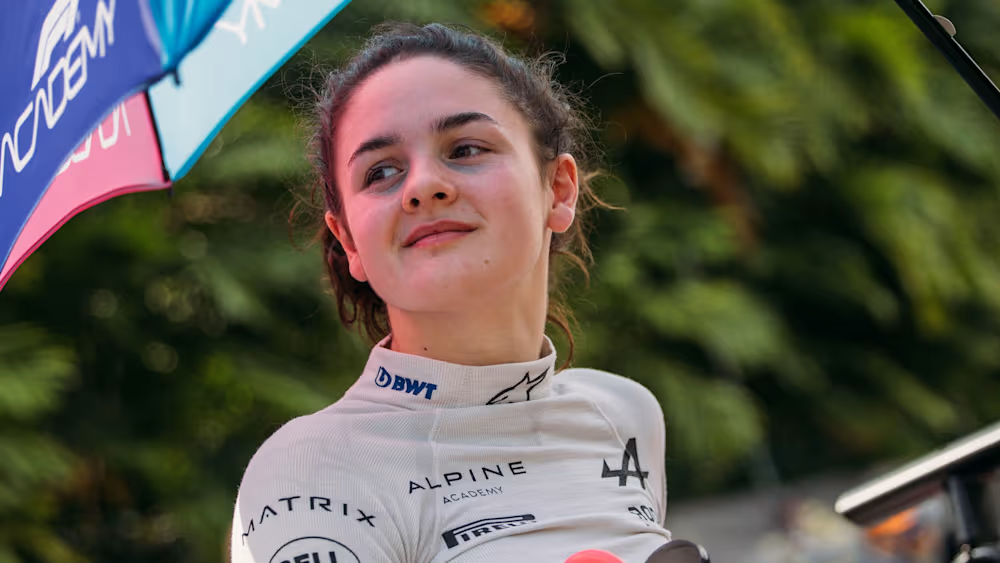
Aiva Anagnostiadis, the Australian F1 Academy driver of the 2025 season, recalls her own struggles with racing pressure during karts. She got help from a sports psychologist, which is the most obvious and well-fitting choice and still mentioned how this side of motorsports is underdiscussed. Anagnostiadis adds, that next to the preparation, the exit of a bad race is what stands out as a challenge, especially since racing is notorious for having media around immediately after. She also drew up a memorable comparison of racing to swimming:
You’re out there doing laps and laps and laps, like swimming, where you have to concentrate. I’ve noticed when I haven’t been physically fit enough for the car, I get mentally tired, and then it’s just an endless spiral.
Aiva Anagnostiadis
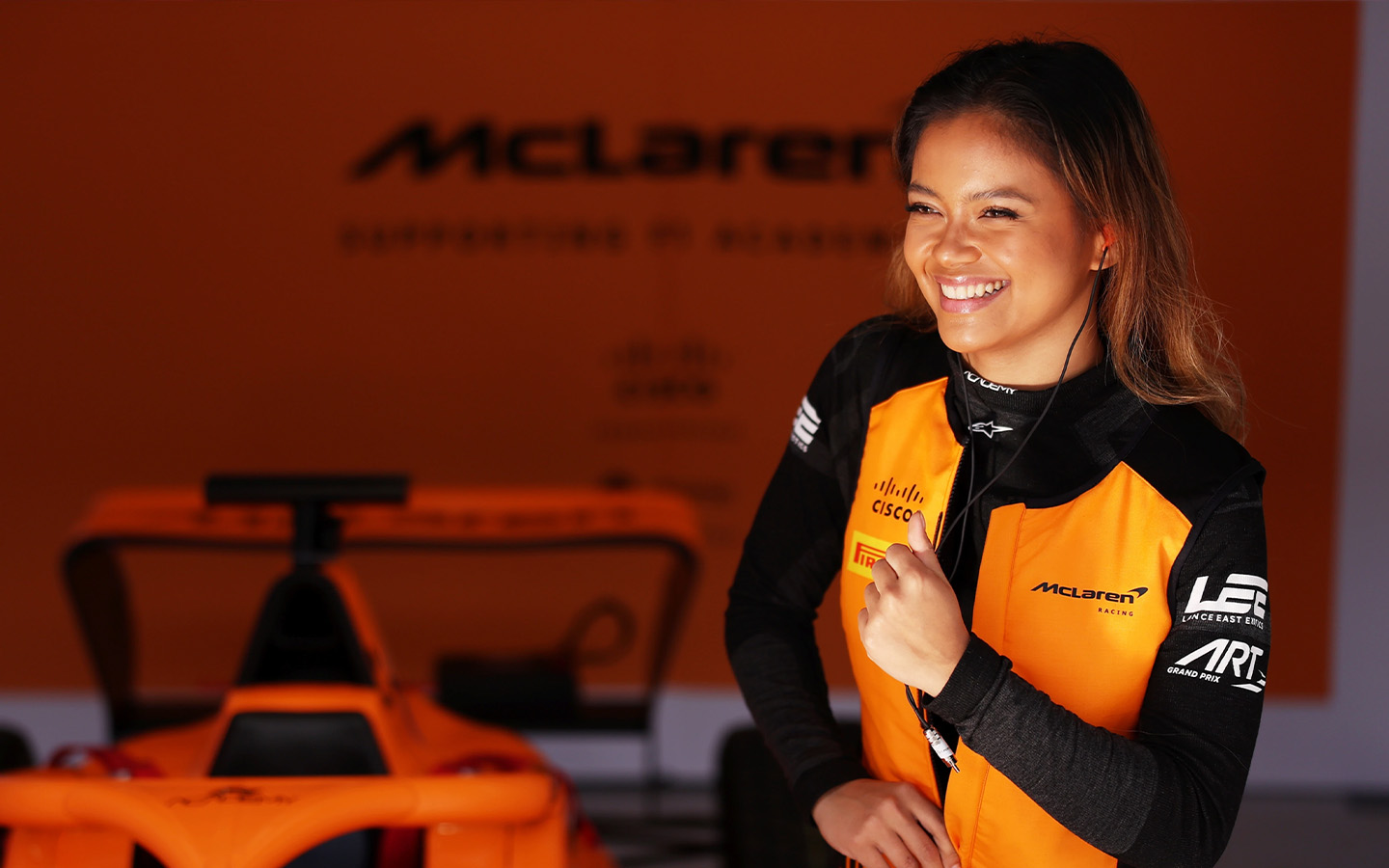
Body and mind have to work together well to perform during a race, and can have equal effects on a result without being visible to the public eye. It’s a topic that Bianca Bustamante, F1 Academy driver during the first two seasons, has made her own experiences with. Bustamante has opened up to the media about struggling with her mental health and how she tied her self-worth to her racing results. She credited McLaren for offering her a sports psychologist during her time with the team and stressed the impact of the right mentality in sports.
A welcome change
Physical prowess, technique and tactical intelligence remain essential in high-performance environments, yet contemporary athletes increasingly understand that sustainable success also requires psychological stability. The ability to reflect, reset, ask for support and build routines that protect mental energy is becoming central to how young racers prepare for peak performance. Drivers and support personnel within F1 Academy are contributing to a culture that encourages openness, mutual support and practical preparation for the psychological demands of racing.
Speaking candidly about pressure, anxiety and identity challenges helps normalize these conversations and provides a framework for younger athletes as well as a new generation of fans, who can connect with the F1 Academy’s drivers hurdles and approaches.


