Team radio has evolved from an internal communication tool into one of the most recognisable elements of modern Formula 1 coverage. Originally used strictly between drivers and engineers to manage performance and strategy, radio transmissions are now regularly broadcast during live races and repurposed across digital platforms. The shift reflects broader changes in how the sport is presented, particularly since the commercial rights were acquired by Formula One Group in 2017.
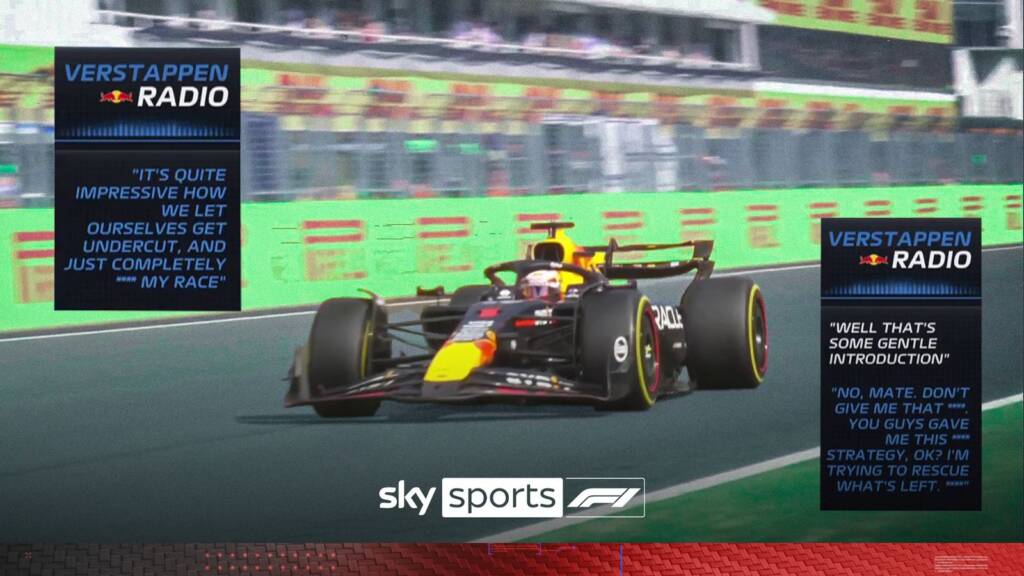
Radio messages are now embedded into television coverage, offering viewers direct access to conversations that were once private. Strategy calls, tyre discussions, and immediate reactions to incidents are broadcast in real time, providing additional context during races.
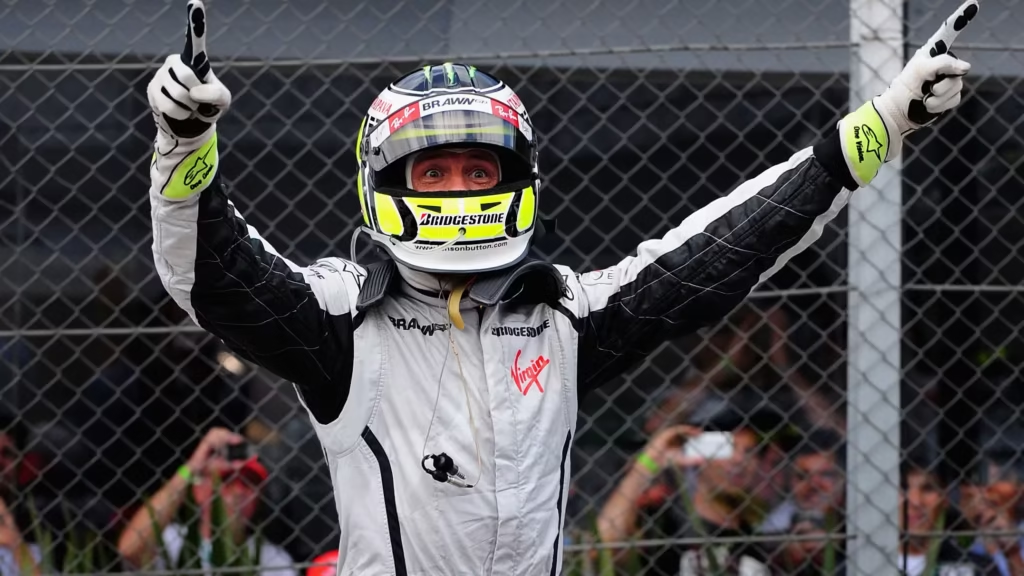
Former world champion Jenson Button has previously highlighted the unintended nature of this visibility, stating that “my message is not meant for the masses, it’s meant for the team.”
Despite this, team radio has become a consistent feature of the broadcast, shaping how audiences understand the sport.
Integration into live coverage
The use of team radio has significantly changed the viewing experience. Rather than relying solely on commentary, broadcasts now incorporate direct exchanges between drivers and engineers, allowing audiences to follow decision-making processes as they happen.
According to industry analysis, this has “brought the fans closer to the sport” by improving understanding of race dynamics.
Radio messages are typically selected and timed to align with key moments including overtakes, pit stop decisions, and technical issues, adding an additional layer of clarity to complex situations.
Expansion through digital media
Beyond live broadcasts, team radio has become a central part of Formula 1’s digital content strategy.
Clips are distributed across social media platforms within minutes, often focusing on short, high-impact exchanges. This format aligns with current content consumption trends, particularly among younger audiences.
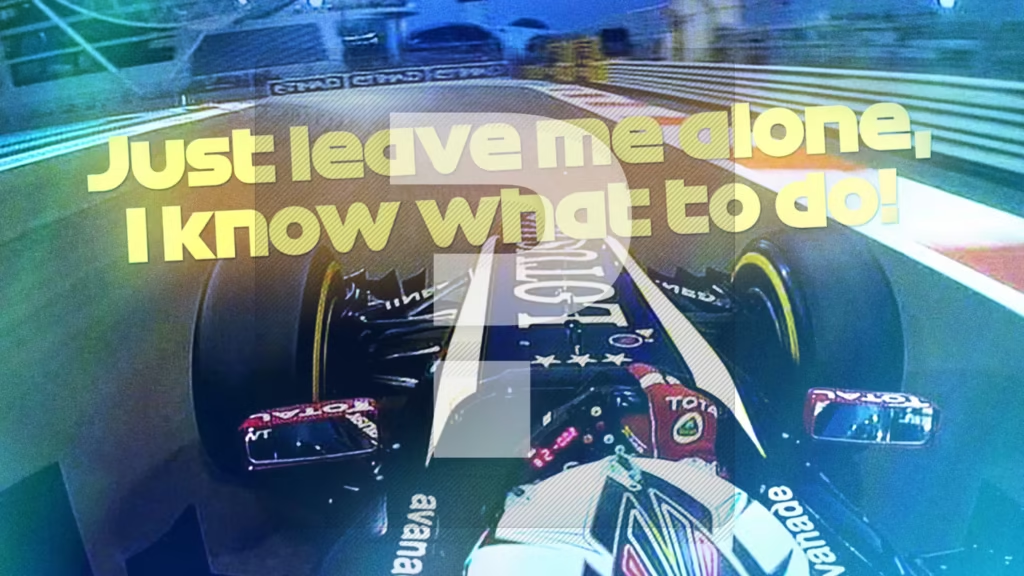
Certain radio messages have achieved widespread recognition beyond the sport’s core audience. Kimi Räikkönen’s “leave me alone, I know what I’m doing” remains one of the most referenced examples, while newer moments continue to circulate rapidly online.
More recent exchanges also highlight the role of emotion in these clips. During a race, Lewis Hamilton’s sarcastic remark, “have a tea break while you’re at it,” gained traction across platforms, reflecting how quickly radio content can extend beyond the broadcast itself.
Tension between authenticity and control
The increased visibility of team radio has also raised questions around how much of these conversations should be made public. Drivers are aware that their communications may be broadcast, but the messages themselves are still delivered in high-pressure environments. As a result, they often capture unfiltered reactions.
This has led to ongoing discussions within the sport. Max Verstappen, for example, suggested that if language is a concern, Formula 1 “should not air team radio” rather than restrict how drivers speak at the moment.
The comment reflects a broader tension between maintaining authenticity and managing the sport’s public image. A standard feature of modern Formula 1. Today, team radio is no longer a supplementary feature. It is a standard component of Formula 1 coverage across broadcast and digital platforms.
Its primary role remains functional, providing insight into strategy and performance but its format also makes it highly effective for digital distribution. Short, direct, and immediate, radio clips are well suited to modern media environments.
As Formula 1 continues to expand its global audience, particularly among younger viewers, team radio is expected to remain a central part of how the sport is presented.
What began as a private line of communication has become one of the sport’s most visible and widely shared elements, shaping both how Formula 1 is watched and how it is understood.