


The 2026 Formula 1 season officially began with the first practice session of the Australian GP, and Ferrari immediately emerged as the team to beat. Charles Leclerc finished the opening session on top with a 1:20.267, leading team-mate Lewis Hamilton as the Scuderia locked out the top two positions at Albert Park.
Practice sessions at the start of a new regulation cycle always carry extra significance. With the sport entering a new technical era in 2026, teams arrived in Melbourne still learning about their cars after pre-season testing. The opening hour of the Australian GP weekend therefore offered the first real opportunity to evaluate performance on a very different circuit from Bahrain.
While Ferrari impressed, reliability concerns quickly emerged for several teams across the grid.
Ferrari’s strong start confirmed early expectations
Ferrari arrived at the Australian GP with strong momentum after encouraging winter testing. That early promise appeared justified during the opening practice session.
Leclerc set the fastest lap late in the session despite using soft tyres that were already several laps old. The performance suggested that the Ferrari package has a strong baseline setup around the fast and flowing Albert Park circuit.
Hamilton also looked comfortable in the car as he finished just behind his team-mate, giving Ferrari an encouraging start to the weekend. Both drivers appeared satisfied with the balance of the car through Melbourne’s high-speed sections, which will be crucial when qualifying begins.
It is only the first session of the Australian GP weekend, but Ferrari’s pace immediately placed them at the centre of the early conversation.
Red Bull and Mercedes remain close
Behind Ferrari, Red Bull and Mercedes remained firmly in the fight during the opening Australian GP practice session.
Max Verstappen set competitive times on the medium compound tyres despite experiencing a small lock-up earlier in the session. His team-mate Isack Hadjar also showed strong pace, remaining within striking distance of the front runners.
Mercedes ran a steady programme throughout the hour, with George Russell and Kimi Antonelli focusing on longer runs before switching to the soft compound later in the session. Their early pace suggested the expected four-team battle at the front could quickly develop over the course of the weekend.
Even in the first hour of the Australian GP, the margins between the leading teams appeared extremely tight.
Rookie Lindblad makes an early impression
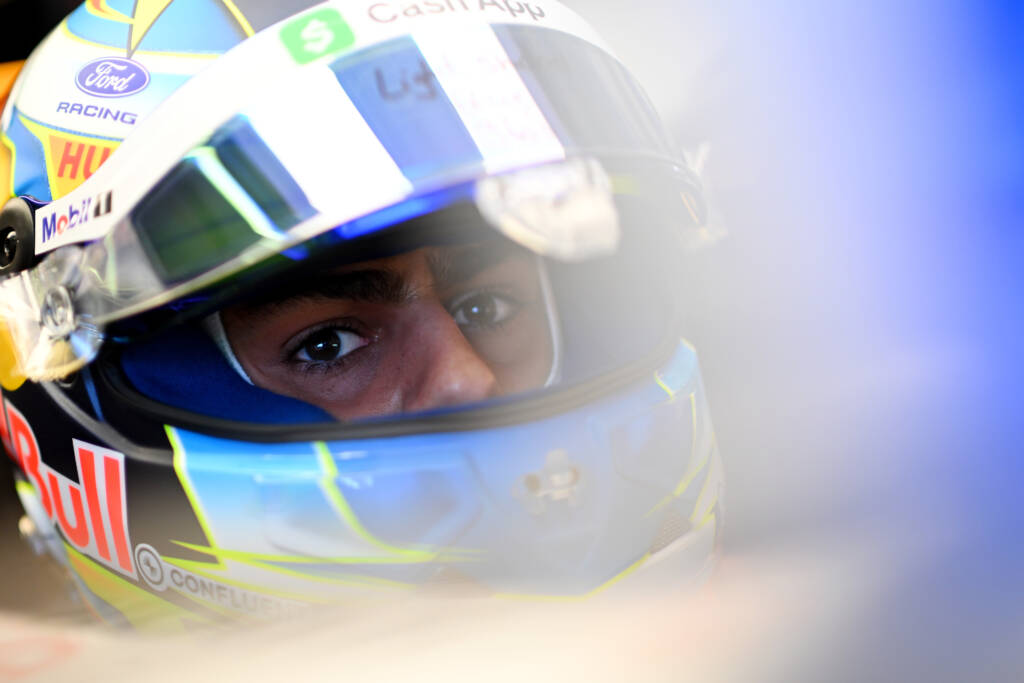
One of the standout performances of the opening Australian GP session came from rookie Arvid Lindblad.
The Racing Bulls driver initially experienced a power issue that left him stopped just outside the pit lane exit early in the session. However, once the problem was resolved, Lindblad returned to the track and delivered an impressive lap on used soft tyres.
His time placed him inside the top five, ahead of several established drivers. For an 18-year-old making his full-season debut in Formula 1, it was a confident and controlled start.
Rookies often need time to settle during their first Australian GP weekend, but Lindblad looked comfortable immediately.
Early reliability issues across the grid
While Ferrari enjoyed a smooth session, several teams faced early problems during the opening practice of the Australian GP.
McLaren endured a frustrating start to the weekend. Reigning world champion Lando Norris completed just seven laps before the team removed his gearbox as a precautionary measure. The issue forced him to miss most of the session and limited the team’s ability to gather data.
Williams also ran into trouble when Alex Albon stopped on track with a suspected power steering or hydraulic failure. The incident briefly triggered a Virtual Safety Car while marshals cleared the car.
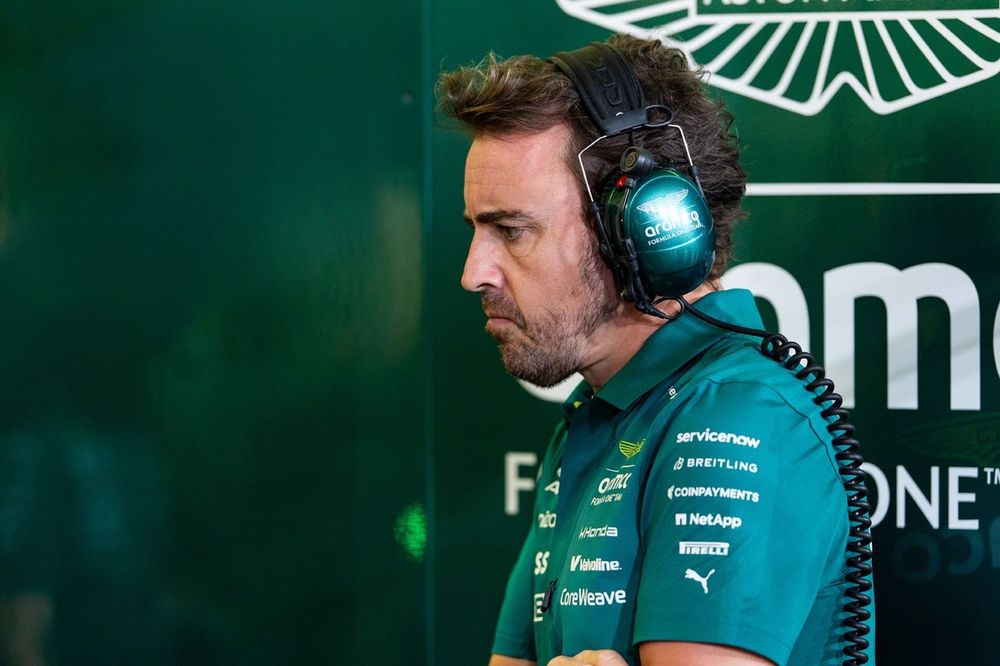
Aston Martin’s problems were even more severe. Fernando Alonso did not run during the session due to a power unit issue, while Lance Stroll completed only a small number of laps before a similar problem disrupted his programme. According to reports, vibration issues linked to the Honda power unit have already complicated the team’s weekend preparations.
At the start of a new regulation era, reliability often becomes one of the defining factors of the Australian GP weekend.
Incidents add drama to the first session
The opening practice session of the Australian GP also delivered several dramatic moments.
Cadillac driver Sergio Pérez spun at Turn 4 while running on soft tyres, though he avoided any damage and continued the session. The incident briefly disrupted Oscar Piastri’s flying lap, forcing the Australian to lift off due to yellow flags.
Elsewhere, Franco Colapinto ran wide at Turn 3 while exploring the limits of the new car under braking. Several drivers also experienced lock-ups, highlighting how the reduced downforce of the 2026 cars may challenge braking stability throughout the season.
These small mistakes are typical during the first session of the Australian GP, especially when drivers are still adapting to new regulations.
What we learned from the opening session
The first practice session rarely determines the final competitive order, but the opening hour of the Australian GP provided several important clues.
Ferrari appear to have begun the season with strong pace, while Red Bull and Mercedes remain close enough to challenge. The midfield battle also looks competitive, with rookies and newer teams showing encouraging early speed.
At the same time, reliability concerns for several teams suggest the opening races of the season could produce unpredictable outcomes.
With a second practice session still to come later in the day, teams now have another opportunity to refine setups and gather critical data before qualifying begins.
If the opening hour of the Australian GP weekend is any indication, the 2026 Formula 1 season is already shaping up to be closely contested.


2 Comments