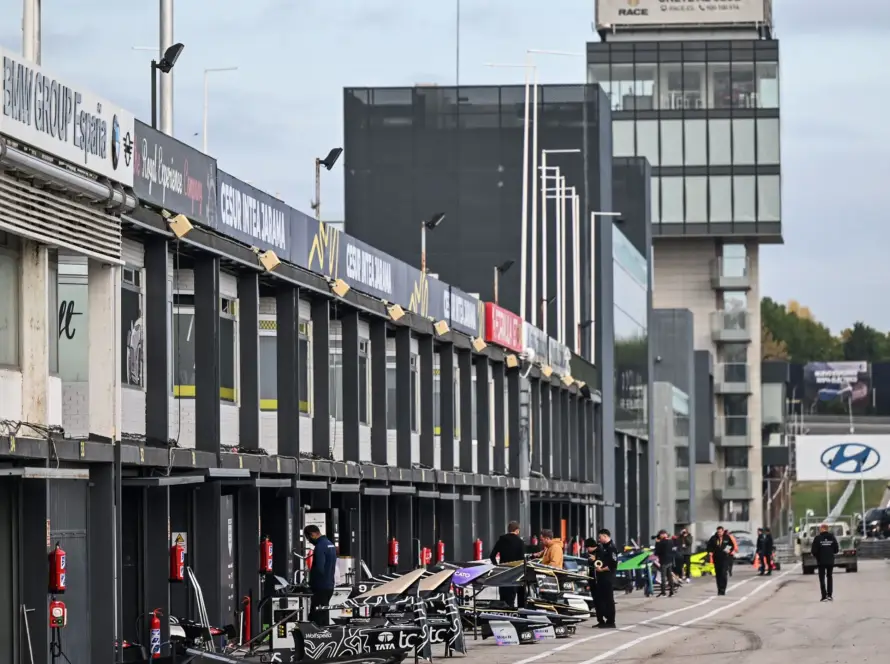
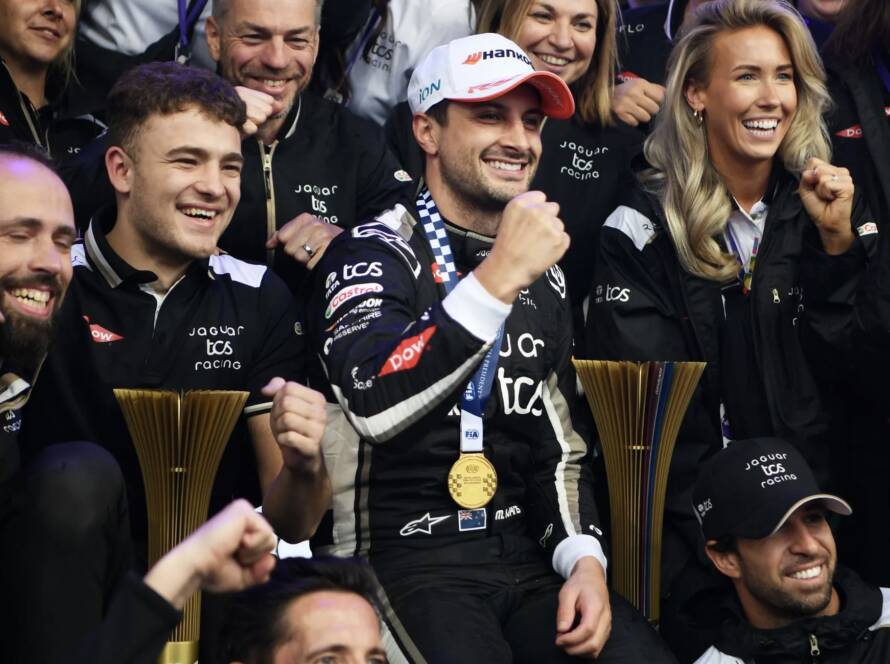
Round 6 of the FIA Formula E World Championship Season 12 will introduce an additional strategic element expected to shape the dynamics of the race. The Fédération Internationale de l’Automobile (FIA) and Formula E have confirmed that the 2026 CUPRA Raval Madrid E-Prix will feature PIT BOOST, a rapid-charging system that allows cars to recover energy during the race.
The event, scheduled for March 21, will also mark a historic moment for the championship, as it will be the first Formula E race held at the Jarama circuit, introducing the venue to the all-electric series calendar.
The presence of PIT BOOST adds a new layer of strategy to the race, forcing drivers and teams to balance energy management, track position and the ideal timing to complete the mandatory stop.
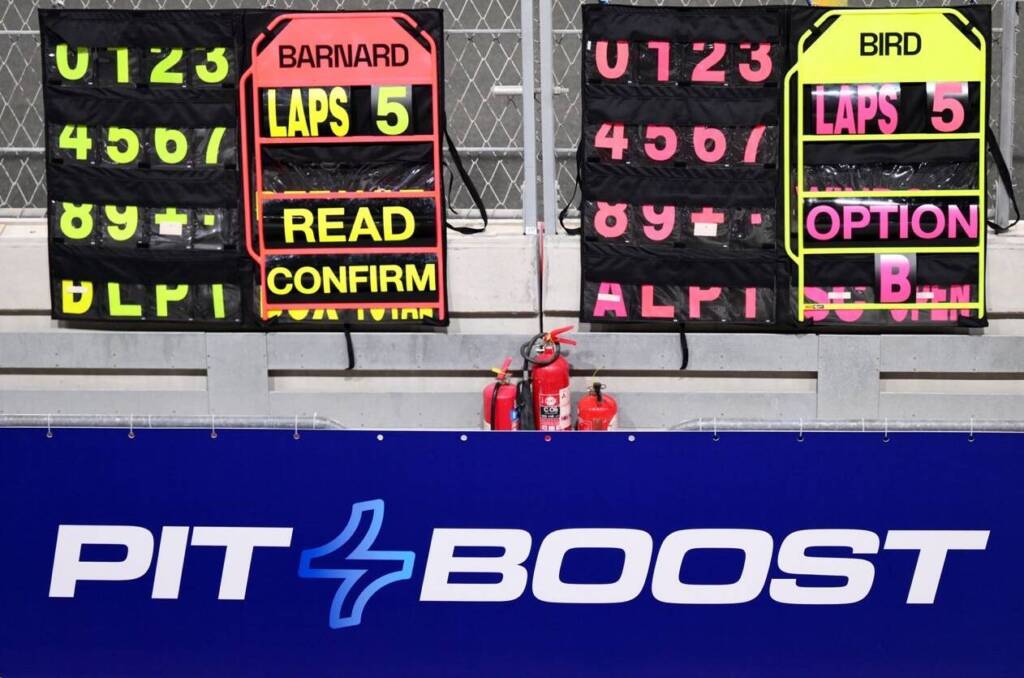
What is PIT BOOST and how it works?
Recently introduced in Formula E, PIT BOOST represents one of the most significant technological evolutions of the current generation of cars.
During the race, each driver must complete a mandatory pit stop, where the car receives an ultra-fast energy recharge through a 600 kW charging system. The procedure involves 30 seconds of active charging, within a stationary pit stop that can last up to approximately 34 seconds.
This process adds 10% of energy to the battery, equivalent to 3.85 kWh, giving drivers additional margin to push harder in the second phase of the race.
The system is supplied by Fortescue Zero, the championship’s official PIT BOOST technology partner responsible for the charging infrastructure used during races.
In practical terms, PIT BOOST changes the traditional dynamic of Formula E races, which historically relied almost entirely on energy management throughout the event.
Expanded strategy alongside ATTACK MODE
PIT BOOST does not replace the Attack Mode, but instead operates alongside it as a second strategic variable.
With PIT BOOST active, drivers will have access to six minutes of ATTACK MODE, during which additional power is delivered after activating a designated zone off the racing line.
This means teams must simultaneously manage two strategic elements:
- the ideal timing to perform the PIT BOOST stop
- when to activate ATTACK MODE
- how to balance energy consumption with track position
Choosing the correct timing will be critical. Stopping early may allow drivers to attack aggressively through the middle phase of the race, while a later stop could provide an energy advantage in the closing laps.
However, entering the pit lane also means losing track position, increasing the strategic risk.
Operational rules during the pit stop
The PIT BOOST procedure also comes with specific operational rules designed to ensure safety and sporting consistency.
During the stop:
- only two team members are allowed to work directly on the car
- a third team member is designated exclusively to stop and release the vehicle
- each team can perform only one PIT BOOST at a time, meaning the two cars cannot recharge simultaneously
This restriction increases the strategic complexity when both drivers from the same team are fighting for positions close together on track.
Technology transfer: from track to road
Beyond its sporting impact, PIT BOOST also serves as a technological showcase for electric mobility.
The 600 kW charging power used in Formula E significantly exceeds the capacity of most current high-speed EV charging systems, highlighting the championship’s role as a laboratory for innovation.
This concept of “technology transfer from track to road” has been a central pillar of Formula E since its creation, with solutions developed in the high-pressure racing environment later adapted for the automotive industry.
Madrid joins the Formula E calendar
The race will also mark an important milestone in the championship’s expansion.
The Circuito de Jarama, a historic Spanish circuit located on the outskirts of the capital, will host a Formula E race for the first time.
The 2026 CUPRA Raval Madrid E-Prix will take place on Saturday, March 21, serving as Round 6 of Season 12 and further strengthening the series’ presence in Spain.
Last time used
The last time the system was used in a race was during Round 4 of the current season, held in Jeddah, Saudi Arabia.
On that occasion, strategic execution of PIT BOOST proved decisive in shaping the final result. Pascal Wehrlein made the most effective use of the recharge and the additional energy window to secure victory. He was followed by Edoardo Mortara, who also capitalized on the energy boost throughout the race, while Mitch Evans completed the podium after a race defined by precise energy management and carefully timed strategy.
With the technology returning in Madrid, and on a circuit making its Formula E debut, expectations point to an even more unpredictable race, combining energy strategy, pit stop timing and intense on-track battles.