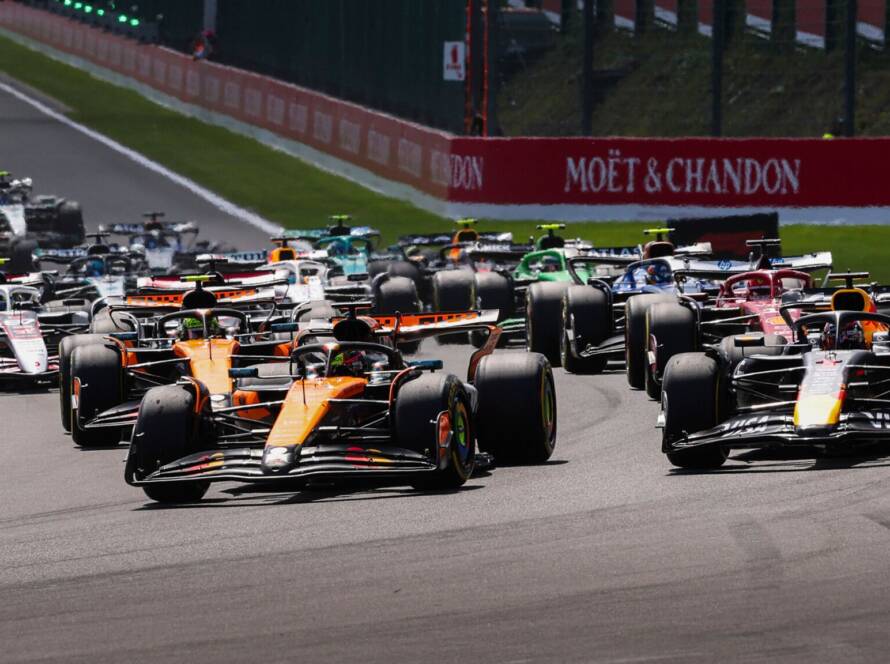
For decades, Formula 1 sold speed, danger and engineering genius. The appeal was rooted in performance, the fastest drivers in the most advanced machines competing at the edge of possibility. Prestige was a by-product of excellence.
Today, prestige is part of the product itself.
Modern Formula 1 luxury positioning means the sport is no longer marketed purely as a sporting championship. It increasingly operates like a luxury platform, one built on exclusivity, experience, and cultural capital. The shift has been subtle but deliberate, particularly since Liberty Media acquired the sport in 2017.
The racing still matters. But it is no longer the only headline act.
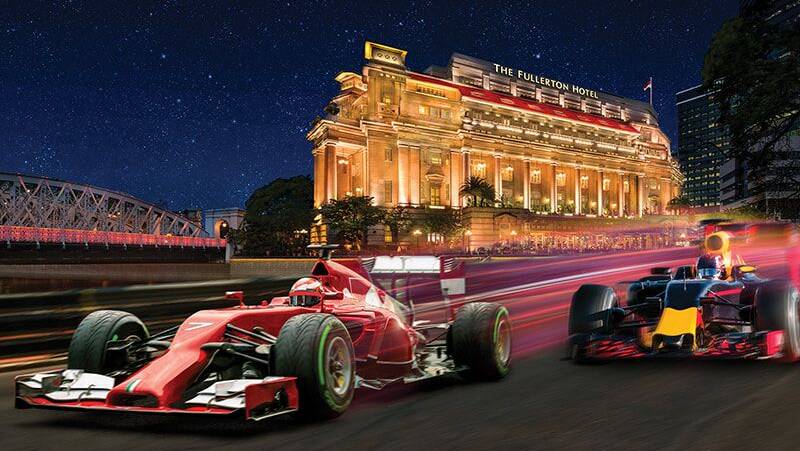
The experience economy in the paddock
Grand Prix weekends have evolved into curated spectacles. In cities such as Las Vegas, Miami and Monaco, Formula 1 is positioned less as a race and more as a social event. Hospitality packages rival five-star resorts. Trackside access is tiered and intentionally scarce. The Paddock Club is marketed as proximity to power, not just proximity to cars.
This mirrors luxury brand mechanics.
Luxury thrives on controlled access. Limited supply. Elevated pricing. Symbolic value beyond functional utility.
Owning a high-end watch is not about telling the time. Attending a Grand Prix weekend in Monaco is not just about watching 78 laps. In both cases, the value lies in what the experience signals.
Formula 1 understands this, and has leaned into it.
Teams as luxury houses
The teams themselves now operate with distinct brand architectures. Scuderia Ferrari HP trades on heritage and emotional mythology. Mercedes-AMG Petronas Formula One Team projects precision, modern dominance and technological authority. Red Bull Racing embraces youth culture and disruption.
These identities are carefully cultivated and commercially leveraged. Merchandise drops resemble fashion releases. Driver unveilings are staged as global campaigns. Partnerships align with premium sectors; luxury watches, private aviation, high fashion.
The car is still central. But the identity surrounding it has become equally monetisable. Formula 1 no longer sells just performance. It sells belongings.
Fashion, fame and formula 1 luxury
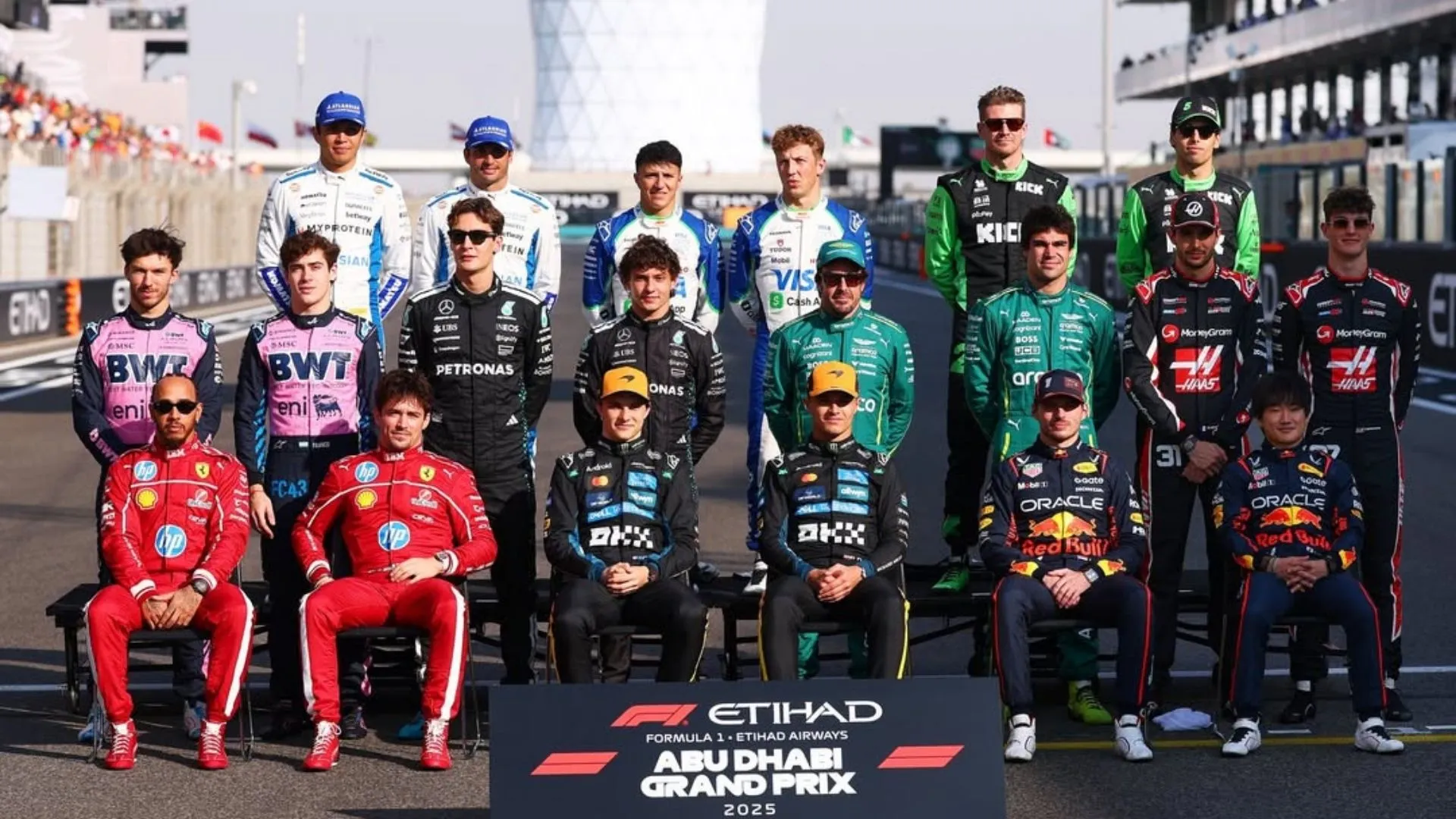
Another factor reinforcing Formula 1 luxury is the growing overlap between the sport and high fashion. Drivers are no longer only athletes; they increasingly operate as cultural figures. Partnerships with luxury watchmakers, fashion houses and premium lifestyle brands position drivers within a wider luxury ecosystem. Appearances at fashion weeks, curated paddock outfits and brand collaborations extend Formula 1 beyond the racetrack. In this environment, performance still defines credibility, but image and cultural relevance amplify commercial value. Formula 1 luxury therefore exists not only in exclusive hospitality or ticket pricing, but also in how the sport embeds itself within global luxury culture.
The American amplification
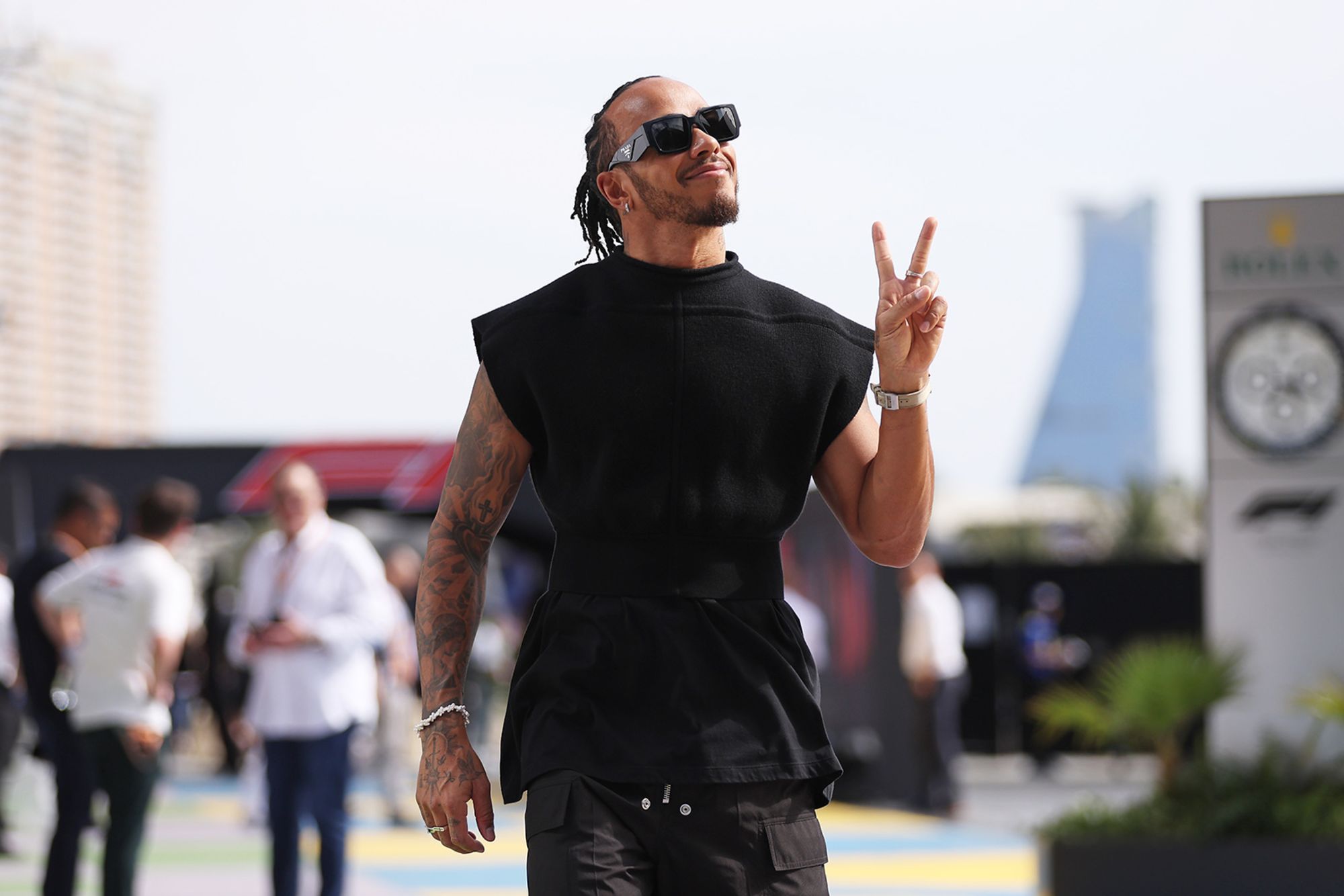
The expansion into the United States accelerated the rise of Formula 1 luxury positioning. The Las Vegas Grand Prix was not marketed as a traditional motorsport weekend. It was framed as spectacle, night racing down the Strip, celebrity integration, elevated hospitality pricing. This was not accidental. It signalled Formula 1’s confidence in its cultural value.
Ticket prices rose. Hospitality tiers expanded. Brand partnerships diversified. The sport began occupying the same conversation space as global entertainment properties rather than purely sporting competitions.
Commercially, the strategy has worked. Revenue has climbed. Younger audiences have engaged. Corporate sponsors see alignment with a premium global platform. But growth through elevation carries tension.
The risk of over-exclusivity
Sport, at its core, thrives on accessibility and emotional connection. Luxury thrives on distance and aspiration. The more exclusive Formula 1 becomes, the greater the risk of alienating long-standing fans who connected first with the racing rather than the spectacle.
If attendance becomes primarily a status marker, the grassroots identity of the sport can erode. If the event overshadows the competition, the narrative shifts from performance to pageantry.
Formula 1 must therefore manage a delicate equilibrium. It must remain technologically credible and competitively compelling while monetizing its newfound cultural capital. So far, it has balanced both. But the trajectory is clear: Formula 1 is no longer simply the pinnacle of motorsport. It has also become a platform for Formula 1 luxury, where exclusivity is engineered as carefully as aerodynamics.
The question is not whether the shift has happened, It is how far the sport intends to take it.