


Madrid has hosted major sporting events before, but this weekend marks something fundamentally different. For the first time in its history, the ABB FIA Formula E World Championship will stage a points-paying race in the Spanish capital, with the CUPRA Raval Madrid E-Prix bringing electric racing to the Circuito del Jarama.
This is not just another addition to the calendar. It is a milestone for a championship founded by Spanish figures that has spent over a decade building its identity across global cities before finally arriving in Madrid. The sense of timing matters as much as the location, because Formula E now arrives as an established category with manufacturers, global reach and a clear position within the future of motorsport.
A homecoming years in the making
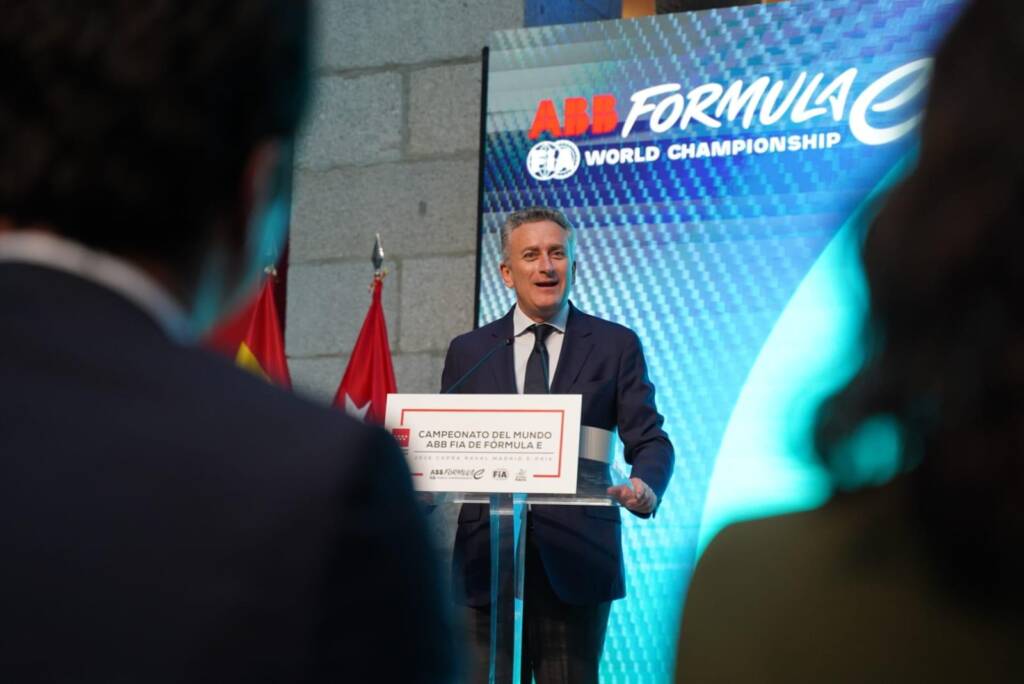
For Alejandro Agag, the race represents the completion of a long-term vision rather than a simple expansion of the calendar. Speaking during the official presentation in Madrid, he framed it as a personal and collective milestone for those who created the championship.
“We’ve made it. We are finally in Madrid. When we started working on this championship, the dream was always to bring a real world championship to our city. For us, this is reaching the finish line.”
That sense of arrival is reinforced by the public response. The event has sold out, something Agag pointed to as a reflection of Madrid’s ability to engage with a championship built around energy, accessibility and a different kind of racing experience. It also suggests that Formula E’s positioning, which blends sport, entertainment and technology, aligns well with the city’s broader identity.
Jarama creates a different competitive context
The decision to race at Jarama adds another layer of significance. The circuit is one of the most historic venues in Spanish motorsport, having hosted Formula 1 in the past, and now becomes the setting for a championship built around innovation and sustainability. That contrast is not just symbolic, it also affects the racing itself.
Carmelo Sanz de Barros described the weekend as a meeting point between eras. “Jarama becomes a place where sport, technology and mobility come together. Formula E represents the future of motorsport, connecting competition with the challenges we face today.”
From a competitive perspective, Jarama introduces variables that Formula E drivers do not typically encounter. The layout is narrower, more technical and shaped by elevation changes, which places a different emphasis on car balance, energy deployment and race management. Unlike street circuits, where the rhythm is often dictated by heavy braking zones and repeated traction points, Jarama demands precision through longer sequences of corners and punishes small mistakes more severely.
That matters in a championship where margins are already extremely tight. A new circuit removes reference points and forces teams into a more reactive approach, relying on simulation and rapid learning across the weekend rather than established data.
A home race that carries expectation
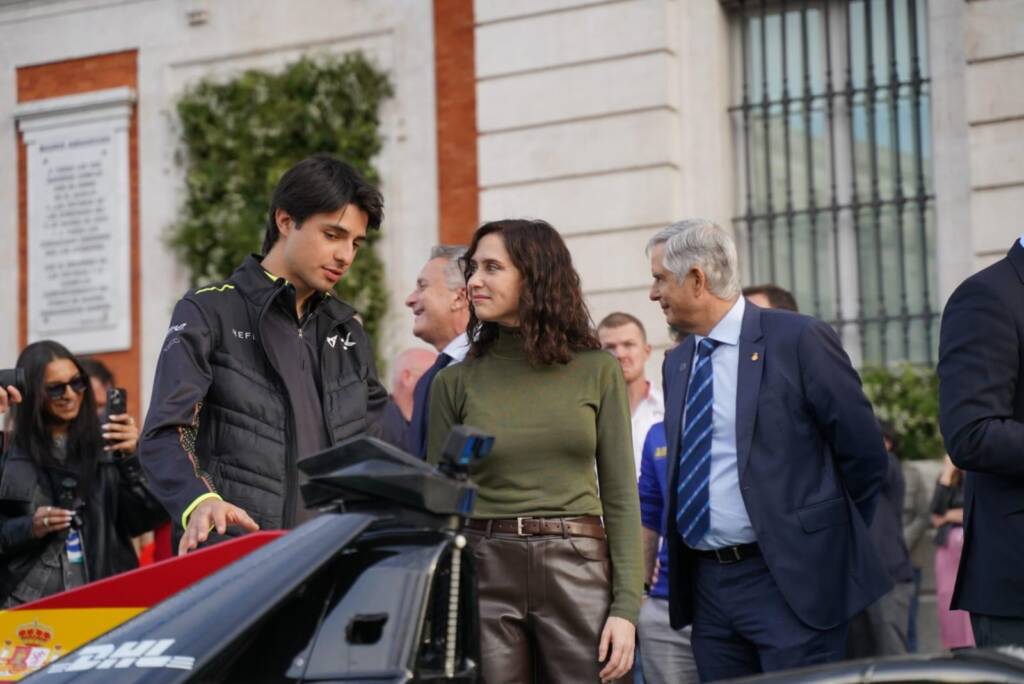
The presence of Pepe Martí adds a clear focal point to the event. As the only Spanish driver on the grid, competing for CUPRA Kiro, his role goes beyond sporting performance. He represents the connection between the championship and the local audience, as well as the involvement of a Spanish manufacturer that is actively positioning itself within electric mobility.
Martí arrives with a degree of familiarity with Jarama from previous running, which could be relevant on a weekend where adaptation will be key. But more importantly, this is a rare situation in Formula E where a driver competes at home in front of a sold-out crowd that has a direct link to both his team and the broader narrative of the event.
That combination creates pressure, but also opportunity. In a championship defined by small margins, any advantage in understanding the circuit or managing the weekend could become significant.
The event extends beyond the race itself
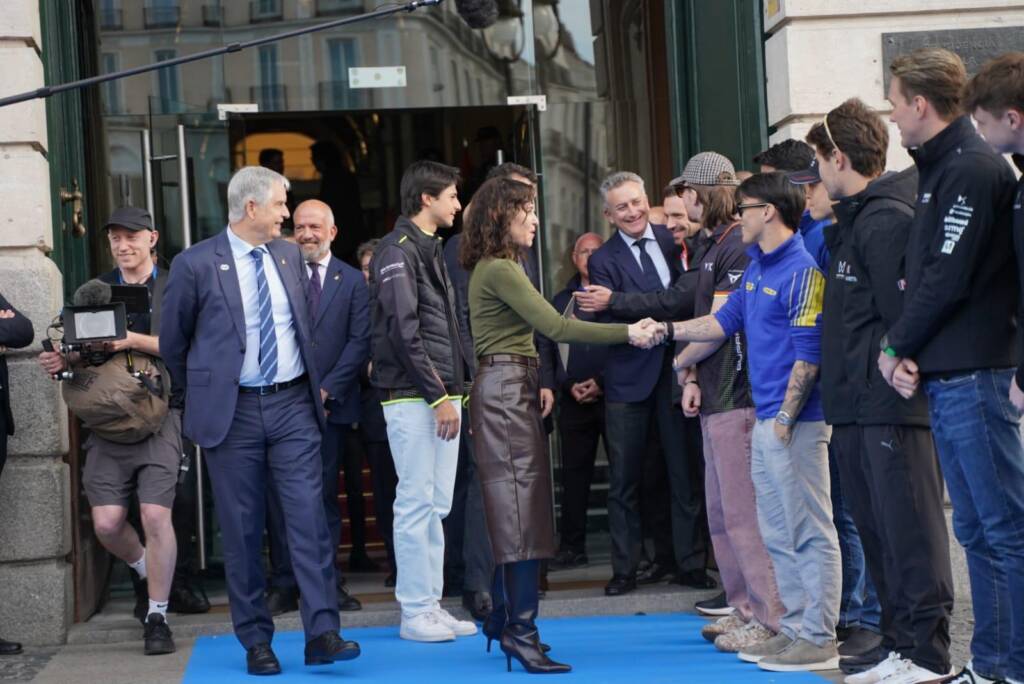
One of the defining characteristics of Formula E is how it structures its race weekends, and Madrid reflects that approach clearly. The E-Prix is designed as a full-day experience that combines racing with entertainment, including live music, fan engagement areas, simulators and driver appearances.
This is not an accessory to the sporting side, it is part of the core product. Formula E positions itself as a championship that connects with audiences in a different way, particularly in urban environments where accessibility and interaction are central to the experience. Madrid, with its scale and energy, amplifies that concept rather than simply hosting it.
The sold-out status of the event suggests that this model is working. It also reinforces the idea that Formula E is not just expanding geographically, but also consolidating its identity in markets that can sustain and grow its audience.
A season still open to disruption
Sporting context also plays an important role. The Madrid E-Prix arrives early enough in the season that no clear hierarchy has been fully established. Multiple winners across the opening rounds have already demonstrated how fluid the competitive order remains, and a new circuit only increases that uncertainty.
Jarama could act as a disruption point. Teams that have started the season strongly may find their advantage reduced by the lack of data, while others could benefit from a circuit that suits their car characteristics more closely. In Formula E, where energy management, strategy and execution are tightly interwoven, a small shift in conditions can have a disproportionate impact on the final result.
That unpredictability is part of what defines the championship, but it also makes weekends like Madrid particularly important. They offer an opportunity to gain momentum in a season where consistency can be as valuable as outright pace.
Madrid positions itself within a changing motorsport landscape
The arrival of Formula E is also part of a broader positioning strategy for Madrid. The city is increasingly present on the global motorsport map, and hosting an electric world championship aligns with a wider shift towards sustainability and technological innovation within the industry.
This is not about replacing traditional motorsport, but about expanding the ecosystem. Jarama hosting Formula E creates a link between the past and the future, showing how established venues can adapt to new forms of competition while maintaining their identity.
For Formula E, it is equally significant. Bringing the championship to Madrid reinforces its connection to its origins while also strengthening its presence in Europe, a key market for both manufacturers and audiences.
A first edition that sets the tone
The first Madrid E-Prix carries a weight that goes beyond the immediate result. It establishes a reference point for what the event can become and how it fits within both the championship and the city’s sporting calendar.
For the drivers, it is another race in a tightly contested season. For Martí, it is a defining moment in front of a home crowd. For Formula E, it is the completion of a long-term objective that now opens the door to future editions.
What happens on track will matter, but the significance of the weekend is already clear. Madrid is not simply joining the calendar. It is becoming part of the story Formula E is trying to tell about where motorsport is heading next.


1 Comment