


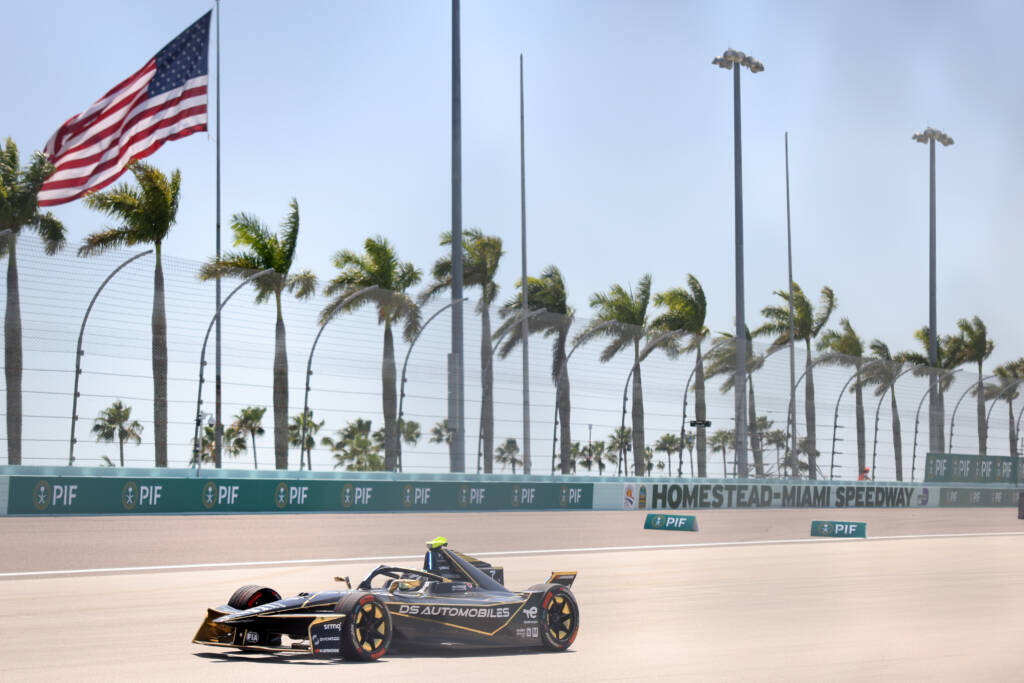
Formula E’s return to Miami delivered one of the most intriguing preparation phases of the season so far. For the first time, teams and drivers took to the track using the new, shorter configuration of the Hard Rock Stadium circuit, recently approved by the FIA, adding an extra layer of complexity to the weekend’s opening sessions.
In a championship defined by fine margins and rapid adaptation, the two Free Practice sessions played a crucial role in helping teams understand the demands of a compact layout that places a premium on traction, energy efficiency and precision in low- and medium-speed corners. While lap times do not count towards the starting grid, the data gathered in Free Practice 1 and Free Practice 2 offered valuable insight into which packages adapted most effectively to the revised track.
Dan Ticktum topped the timesheets in FP1 for Cupra Kiro, while Taylor Barnard emerged as the fastest driver in FP2 for DS Penske. The fact that two young drivers led the sessions underlines how Formula E’s practice environment often rewards aggressive programmes and rapid learning, especially on a circuit where everyone starts from zero.
Free Practice 1: Ticktum sets the pace in a tightly packed top 10
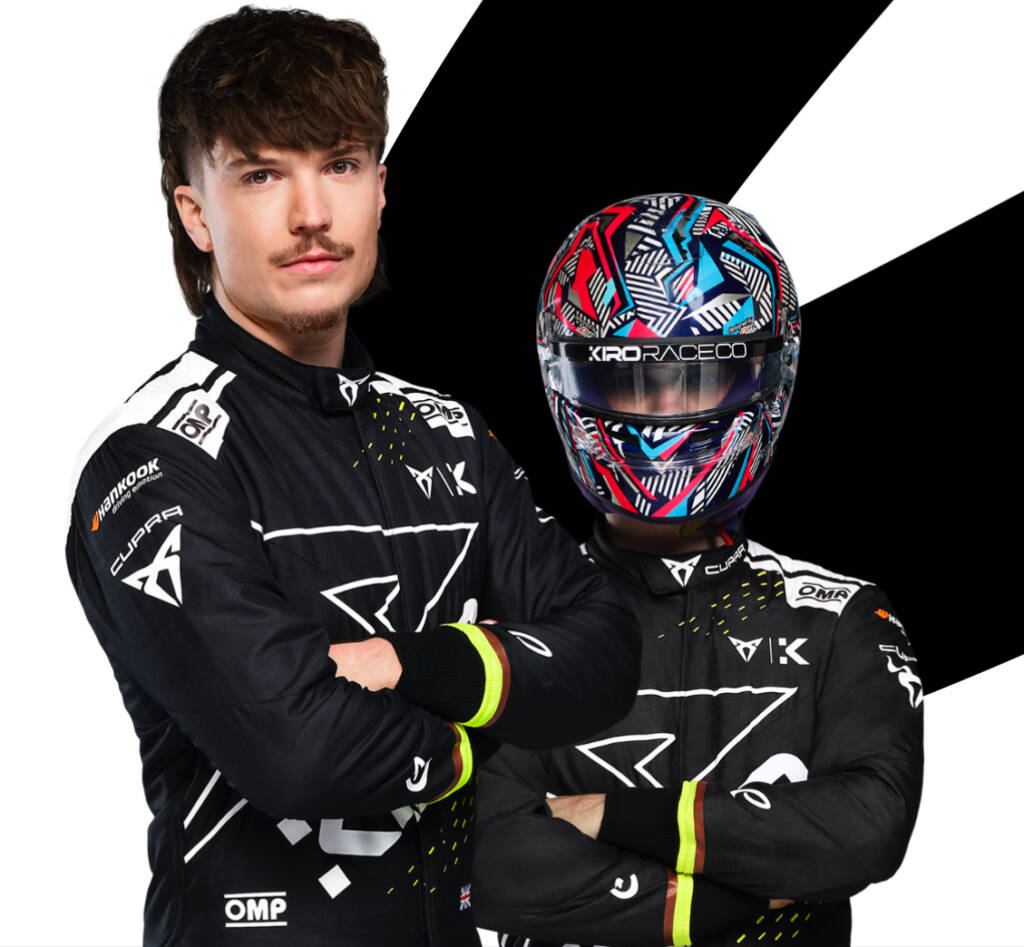
The opening session saw Dan Ticktum set the benchmark with a lap of 0:55.503, immediately demonstrating strong adaptation to the shortened Miami layout. His performance suggested that CUPRA KIRO quickly found a balanced setup, particularly suited to the circuit’s stop-start nature and limited straight-line sections.
Close behind, Taylor Barnard placed second, just 0.093s adrift, giving an early indication of DS Penske’s potential. Nico Müller completed the top three for the Porsche Formula E Team, continuing the manufacturer’s trend of consistent early-session pace.
The remainder of the top 10 highlighted Formula E’s competitive depth. Nick Cassidy finished fourth for Citroën Racing, followed by Edoardo Mortara in fifth with Mahindra Racing. Sébastien Buemi, representing Envision Racing, secured sixth place, once again proving his ability to adapt quickly to new circuit configurations.
Further down the order, Nyck de Vries and Joel Eriksson both featured inside the top 10, pointing to encouraging signs for Mahindra and Envision respectively. Maximilian Günther and Oliver Rowland rounded out the leading group, indicating that DS Penske and Nissan were still working through their programmes but remained firmly in contention.
Free Practice 2: Barnard leads as DS Penske strengthens its position
If FP1 offered initial reference points, FP2 confirmed several emerging trends. Taylor Barnard topped the second session with a time of 0:55.531, reinforcing DS Penske’s strong start to the weekend. The team showed clear progression between sessions, suggesting effective overnight adjustments in balance and energy deployment.
Jean-Éric Vergne followed closely in second place, giving DS Penske a one-two finish in FP2 and underlining the team’s rapid understanding of the Gen3 Evo package on the shortened Miami track.
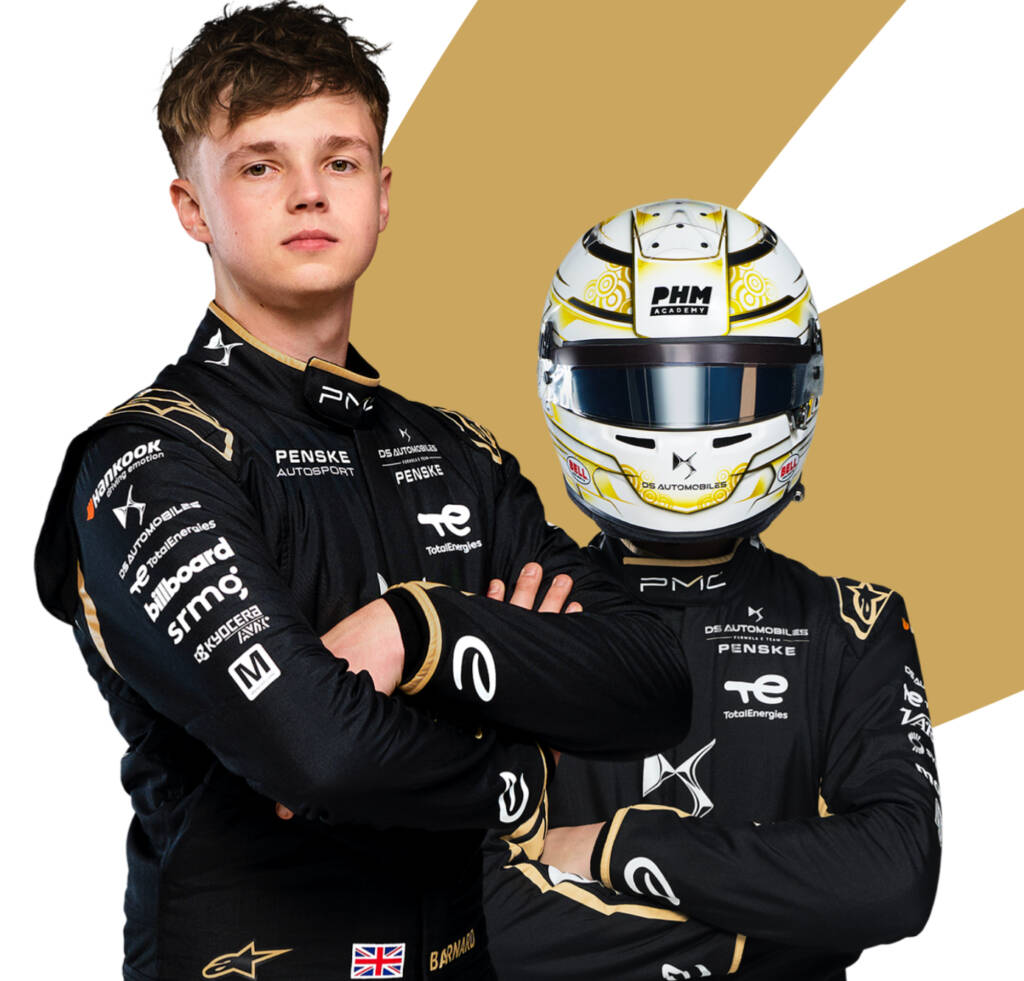
Once again, Nico Müller featured prominently, finishing third and maintaining Porsche’s reputation for consistency across sessions. Josep Maria Martí placed fourth for CUPRA KIRO, confirming that Ticktum’s FP1 performance was not an isolated result.
The FP2 top 10 was completed by a mix of experience and emerging talent. Norman Nato, António Félix da Costa, Sébastien Buemi, Edoardo Mortara, Felipe Drugovich and Lucas di Grassi all featured among the ten fastest, reflecting the different strategic approaches teams adopted during the session. Some focused on outright pace, while others prioritised longer runs and energy simulations.
Team comparison: who adapted best to the new Miami layout
Looking at both Free Practice sessions together, several teams stood out in terms of initial adaptation to the new circuit configuration.
DS Penske emerged as one of the clear benchmarks. Consistently present in the top 10 across both sessions and leading FP2 with Barnard, the team demonstrated an ability to extract performance quickly from a completely new layout, a key asset in Formula E’s compressed race weekends.
CUPRA KIRO also made a strong impression. Leading FP1 with Ticktum and maintaining Martí inside the top 10 in FP2 suggests a solid baseline setup and strong driver confidence in the tighter, more technical sections of the circuit.
The Porsche Formula E Team showed impressive consistency through Müller’s performances. While the team did not top either session, its repeated presence near the front indicates a well-rounded package that could prove competitive in both qualifying and race conditions.
Meanwhile, Mahindra Racing, Envision Racing and Citroën Racing displayed balanced but evolving form. All three teams featured regularly in the top 10, suggesting they are refining details rather than addressing fundamental weaknesses, a normal process when adapting to a brand-new track layout.
The role of Free Practice in Formula E
Free Practice sessions in Formula E are preparatory runs lasting between 30 and 40 minutes, usually held before the E-Prix, with cars operating at the maximum power output of 350kW. Their primary purpose is to allow teams and drivers to familiarise themselves with the circuit, refine car setup and evaluate energy consumption strategies.
Typically, two sessions are held, FP1 and FP2, with additional sessions sometimes included during double-header events or for rookie drivers. Although the sessions are timed, the results do not determine the starting grid, serving instead as a crucial foundation for the official qualifying sessions.
In Miami, this role was amplified by the novelty of the circuit itself. With no historical data to rely on, Free Practice became the first real opportunity for teams to understand how the Gen3 Evo cars behave on the newly approved, shorter configuration, setting the stage for an unpredictable and closely fought E-Prix weekend.


