Formula 1 has always been a sport shaped by tradition, passed down through generations who memorised statistics, team histories and championship rivalries. Yet the way people discover and follow the sport has changed dramatically in recent years.
Today’s new fans rarely arrive through a single broadcast channel or family ritual. They enter through streaming platforms, social media and digital communities. As a result, these fans experience Formula 1 in ways that feel distinct from previous eras.
A different way in
For many long-time supporters, Formula 1 began with Sunday afternoons in front of the television, learning the sport gradually over multiple seasons. New fans often arrive through highlights, documentary storytelling or viral race moments.
Their first encounter might be a dramatic team radio clip or a behind-the-scenes feature rather than a full Grand Prix.
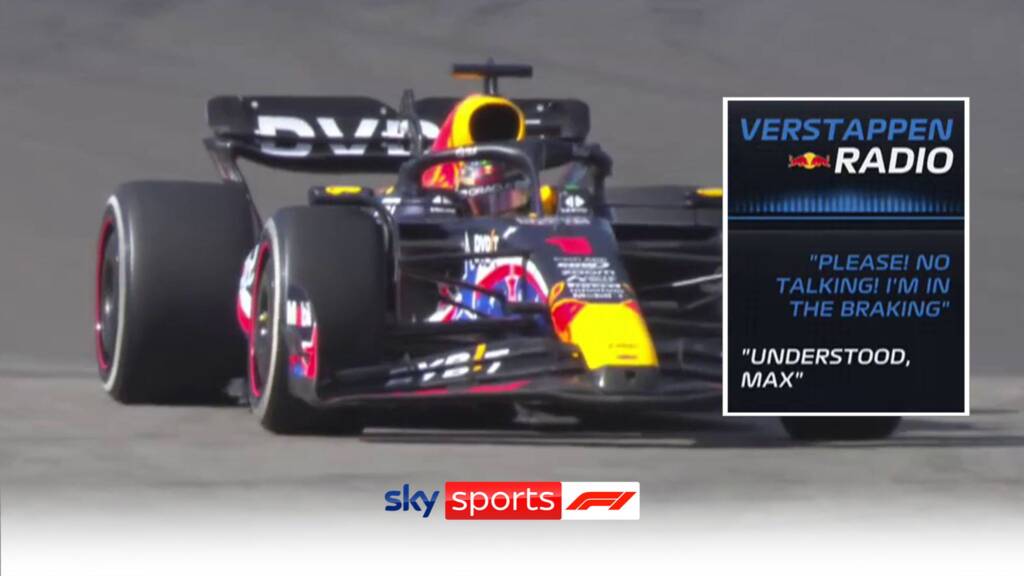
This difference in entry point shapes perception. Instead of starting with technical detail and historical context, newer audiences often connect first with personalities and narrative.
The sport becomes relatable before it becomes fully understood. That shift changes how loyalty and attachment form.
Drivers before teams
Traditional fandom in Formula 1 has often been team-centric. Ferrari, McLaren or Williams represented identities that extended beyond individual drivers.
Many new fans, however, follow drivers first and teams second. They may support a personality they discovered through interviews, social media or a streaming series.
This creates a more fluid emotional landscape. Driver transfers become major storylines. Contract negotiations generate intense debate. The focus shifts from machinery to character.
While some established supporters value team heritage above all else, the newer generation often sees drivers as the primary narrative anchor.
A 24/7 content ecosystem
Formula 1 is no longer confined to race weekends. New fans experience it as a constant stream of content.
Podcasts analyse strategy within hours of a race finishing. Social media accounts share behind-the-scenes footage daily. Independent creators explain overtakes, tyre management and team dynamics in short, accessible formats.

This continuous engagement creates proximity. Fans feel closer to drivers and engineers than ever before. It also raises expectations.
Transparency and immediacy are assumed. When teams remain quiet, speculation fills the gap. The sport has become as much about discussion and interpretation as about the race itself and new fans experience inclusion through that.
Learning faster, differently
Modern supporters have access to explanatory tools that were once unavailable. Graphics, animations and data visualisations make complex strategies easier to grasp. Analysts translate technical language into everyday terms. Understanding can develop quickly.
In earlier eras, knowledge accumulated gradually through long-term observation. Today, a well-produced breakdown can clarify a strategy in minutes.
This creates a collaborative style of learning. Fans experience an exchange ideas of online, they challenge opinions and refine their understanding together. The experience becomes interactive rather than passive.
A global and diverse fan base
Streaming platforms and digital reach have expanded Formula 1 far beyond its traditional European core. New audiences from North America, Asia and the Middle East bring different sporting expectations and cultural perspectives.
In some regions, individual rivalries capture more attention than constructors’ standings. In others, national identity shapes loyalty.
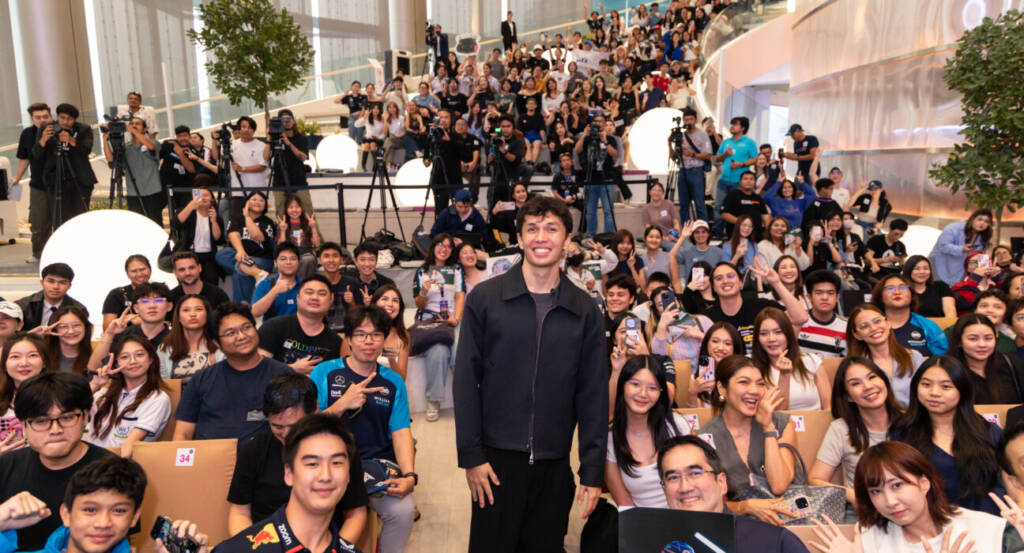
This diversity influences how races are interpreted and discussed. Online communities connect supporters across continents, creating shared spaces that did not exist before. Fandom is no longer defined by geography alone, but by digital belonging.
Tradition meets a new energy
The rise of new audiences has introduced tension as well as growth. Long-time fans sometimes worry that entertainment elements overshadow technical depth. New supporters may view tradition as difficult to access. Yet these viewpoints are not necessarily in conflict.
Formula 1 has always evolved, whether through technological change or commercial transformation. A shifting fan base is part of that pattern. Heritage provides credibility and depth. New energy provides expansion and cultural relevance.
Ultimately, the fan experience of following Formula 1 today is broader and more immersive than ever. The sport remains centred on drivers competing at the limit of performance. What has changed is how that story is consumed. New fans are not replacing established ones. They are expanding the meaning of what it means to follow Formula 1 in a digital, global era.