Formula 1 has always sold one idea: the fastest driver wins. Talent, bravery, instinct. One person alone in a car, driving at 300 km/h. It is the image that built the sport’s mythology and continues to anchor its marketing. But in modern Formula 1, that story no longer reflects how races are actually decided, as race strategy now plays a defining role long before Sunday.
The truth is quieter and far less romantic. Races are rarely won by spontaneous brilliance on Sunday afternoon. They are shaped days, weeks, and sometimes months earlier through race strategy, long before a driver takes their place on the grid.
Racing by spreadsheet
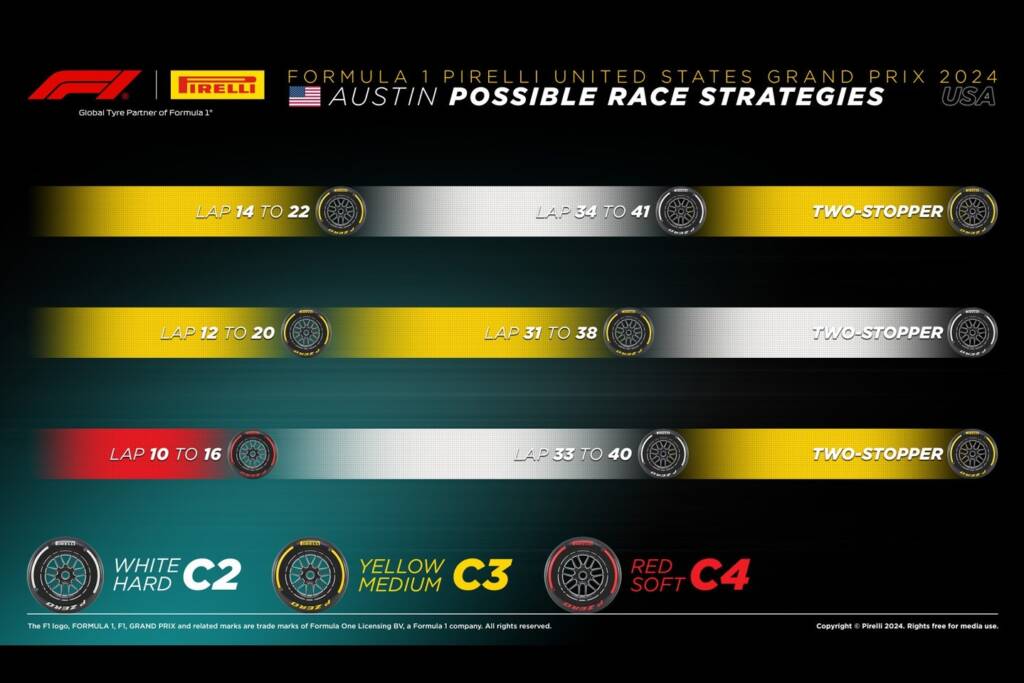
By race day, much of the outcome has already been constrained by data. Tyre degradation curves are modelled, pit-stop windows simulated, fuel loads optimised, and safety-car probabilities assessed. Strategy teams run thousands of race scenarios before the car ever leaves the garage, narrowing the number of viable decisions available once the lights go out.
This is why radio messages sound less like conversations and more like commands. “Box, box.” “Target lap time.” “Plan B.” These are not suggestions offered to drivers in the heat of the moment; they are instructions issued within a system designed to prioritise probability over instinct. The driver’s job is not to invent the race, but to execute the race strategy as cleanly as possible.
Instinct still matters, of course. Overtakes, defence, and chaos cannot be fully predicted. But these moments exist inside tightly controlled boundaries created by race strategy. They influence races at the margins, not at the core.
Talent isn’t the differentiator anymore
This is where the uncomfortable part begins. If talent were the decisive factor, we would see far greater variation in outcomes between drivers in similar machinery. Instead, modern Formula 1 consistently shows the opposite. Performance gaps are increasingly explained by system quality and race strategy rather than individual brilliance.
Two drivers can sit in near-identical cars and experience radically different seasons. Not because one suddenly forgot how to drive, but because one side of the garage executes strategy more effectively, adapts to changing conditions faster, and makes fewer mistakes under pressure.
Championships are not won by moments of courage alone. They are won by teams that interpret data better, manage risk more intelligently, and refine race strategy across an entire season.
Where the real power sits
As Formula 1 has evolved, power has shifted away from the cockpit and toward the pit wall. Engineers, strategists, and analysts now hold influence that would have been unthinkable in earlier eras of the sport. Decisions that determine race outcomes are increasingly made by people staring at screens rather than steering wheels, with race strategy sitting at the centre of that shift.
When a race is described as being “won on strategy,” it is often dismissed as luck. But luck does not repeat itself over 23 races. Teams that consistently make the right calls are not fortunate; they are structurally superior. They have built systems capable of absorbing uncertainty and responding decisively when the variables change.
This does not make Formula 1 less impressive. If anything, it makes it more demanding. The sport now rewards organisational excellence as much as raw speed.
Watching the wrong sport
The problem is not the evolution itself, but the way we continue to frame it. Fans are still encouraged to view Formula 1 through a driver-centric lens that no longer tells the full story. We debate greatness as if cars operate independently of the systems that design, run, and optimise race strategy.
At its core, modern Formula 1 is chess played at 300 km/h. The driver is a powerful piece on the board, decisive, visible, and essential, but the game is controlled by the system that moves them. Victories are rarely spontaneous. They are engineered.
Until we adjust how we watch the sport, we will keep praising heroics while overlooking infrastructure. And we will keep mistaking execution for inspiration.
In today’s Formula 1, drivers don’t win races alone. Systems do.