When safety in F1 stopped being optional
For much of its history, safety in F1 was not a priority but a compromise. Speed came first, danger was accepted, and survival was often framed as part of the challenge. Drivers raced knowing that mistakes could be fatal, and the sport evolved through experience rather than prevention.
Over time, that mindset shifted. Not through comfort or convenience, but through loss, survival, and the realisation that responsibility had to grow alongside performance. The evolution of safety in F1 is not a technical story alone. It is a human one.
When survival was part of the job
In the early decades of Formula 1, cars were fast but fragile. Fuel tanks were exposed, cockpits were open, barriers unforgiving, and medical response limited. Drivers accepted extreme risk as normal, and serious accidents were treated as tragic but inevitable.
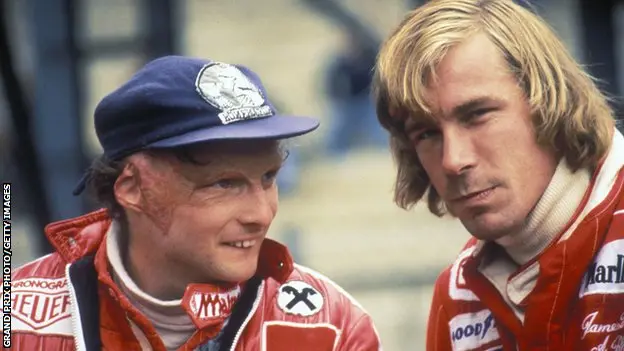
One of the defining moments of this era came in 1976, when Niki Lauda suffered a near-fatal crash at the Nürburgring. Trapped in a burning car, he sustained severe burns and lung damage. His survival was extraordinary, but the incident exposed how far behind safety standards still were.
Lauda’s accident accelerated conversations around circuit layouts, fire resistance, and driver protection. It challenged the belief that danger should simply be endured.
The tragedy that forced real change
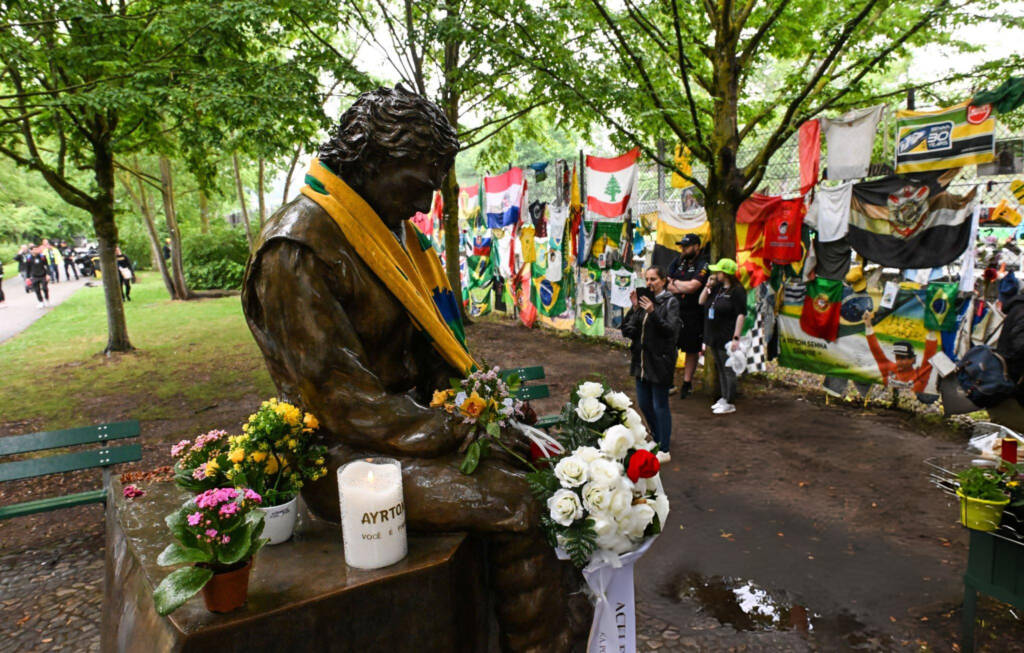
If Lauda’s crash raised doubts, 1994 demanded action. The death of Ayrton Senna during the Imola weekend marked a turning point for safety in F1. Senna was not only a three-time world champion but also a vocal advocate for improved safety measures.
His death shocked the sport and led to immediate reform. Cockpits were reinforced, crash structures redesigned, circuits modified to reduce speed in critical areas, and medical standards significantly raised. The FIA took a far more active role in regulation, and safety could no longer evolve slowly.
From that moment, safety in F1 became a responsibility rather than a discussion.
A reminder that progress is never complete
For years after 1994, Formula 1 avoided fatal race accidents, creating a sense that safety had stabilised. That illusion was shattered in 2014 when Jules Bianchi suffered a fatal head injury at the Japanese Grand Prix.
Bianchi’s accident exposed weaknesses in race control, visibility management, and recovery procedures in extreme conditions. The response brought lasting changes, including the Virtual Safety Car and stricter protocols around on-track recovery.
It was a reminder that safety in F1 is never finished. New risks emerge as the sport evolves.

The Halo and a shift in mindset
Few safety innovations sparked as much debate as the Halo. When introduced, it faced resistance from fans and drivers alike, largely due to aesthetics and tradition. Its value became undeniable through real-world incidents.
At the 2021 Italian Grand Prix, a collision between Lewis Hamilton and Max Verstappen saw Verstappen’s car land on top of Hamilton’s. The Halo absorbed the impact that would otherwise have struck Hamilton’s head.
That moment reframed the conversation. Safety in F1 was no longer about whether protection looked right, but whether it worked.

When survival proved progress
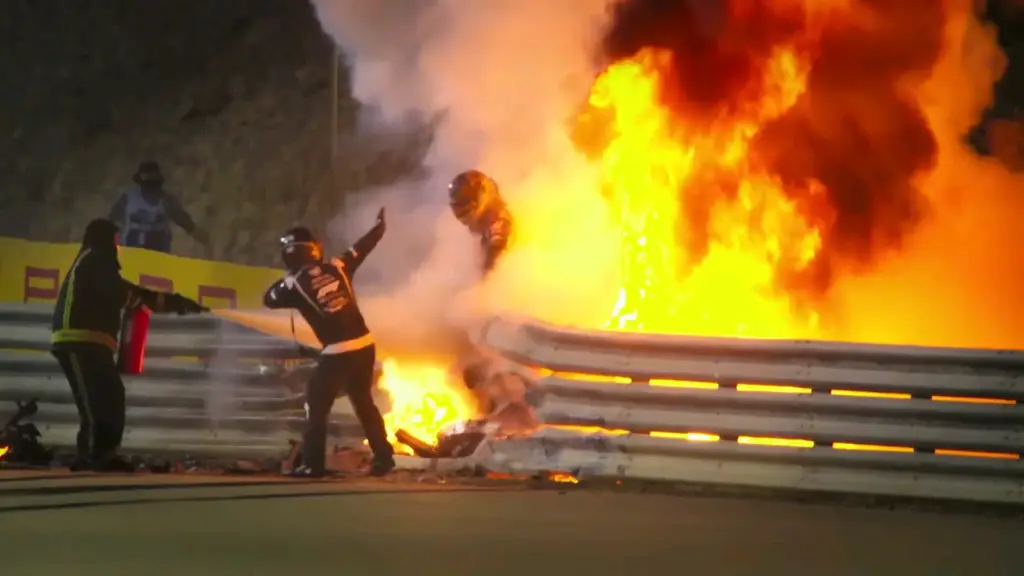
Romain Grosjean’s crash at the 2020 Bahrain Grand Prix stands as one of the clearest demonstrations of modern safety in F1. His car split in two after hitting the barrier and burst into flames. In another era, the outcome would almost certainly have been fatal.
Instead, Grosjean escaped with relatively minor injuries. The survival cell, Halo, fire-resistant materials, fuel system design, and rapid medical response worked together exactly as intended. Decades of painful lessons converged in a moment that proved progress was real.
Today, Formula 1 remains dangerous, but it is no longer careless. Cars are designed around survival, circuits are continuously reviewed, and safety systems are tested beyond race conditions. Every improvement carries the memory of drivers lost and those who survived.
Safety in F1 was not inevitable. It was earned through consequence, resilience, and the decision to learn rather than accept. Speed still defines the sport, but responsibility now runs alongside it.