


Formula 1 has seen many rule changes, but few moments like the 2026 F1 reset. Cars, engines and racing philosophy will all change at once, forcing teams to rethink almost everything they know. This is not a gentle evolution of the current era, but a clean break from it. As the sport prepares for this reset, the foundations of the next decade are already being laid.
A regulation change that redesigns the entire car
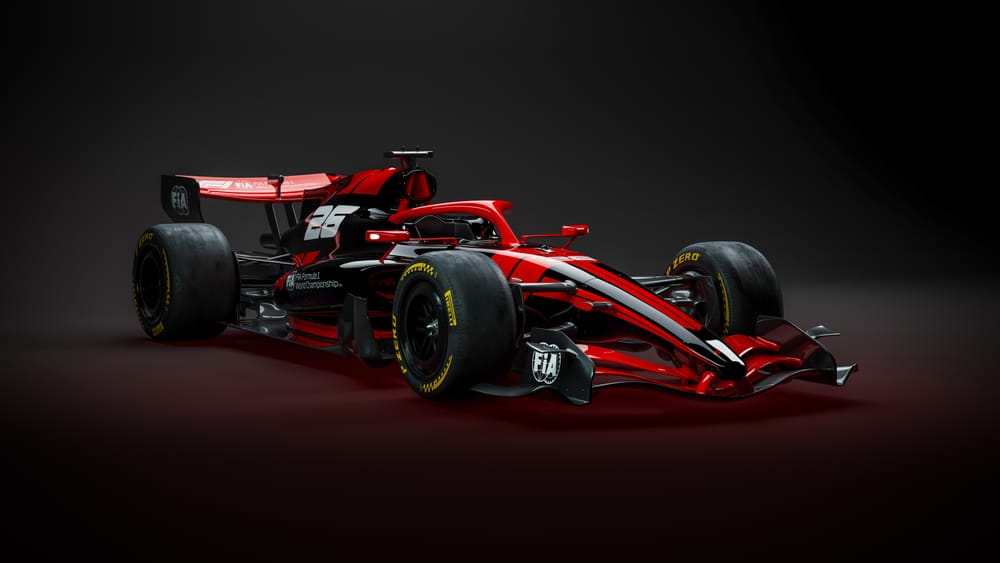
What makes 2026 unique is the scale of change. Formula 1 is not only introducing new chassis regulations, but also an entirely new power unit concept at the same time. The cars will be lighter, rely more heavily on electrical energy and use active aerodynamics to manage drag and efficiency.
In previous resets, teams could lean on familiar areas of strength. In 2026, almost every performance lever is being redesigned together, increasing uncertainty across the grid.
Lessons from past resets show why 2026 matters more
History shows how powerful early advantages can be. In 2014, teams that mastered the new hybrid engines quickly shaped the competitive order for years. In 2022, those who understood the new ground-effect cars fastest gained a head start that rivals struggled to erase.
The difference with the 2026 F1 reset is that teams will not be adapting just one part of the car. They will be learning how the engine, energy deployment and aerodynamics interact from day one, raising the stakes of early decisions more than ever before.
Energy management and active aerodynamics will change the racing
The 2026 cars will demand a different driving style. With a greater reliance on electrical power, energy harvesting and deployment will become central to lap time. Active aerodynamics will allow cars to switch between low-drag and high-downforce modes, changing how overtaking, defending and tyre management work.
Drivers will need to think more strategically during a lap, not just push flat-out. Races may become less about raw aggression and more about timing, efficiency and decision-making.
The cost cap makes early mistakes harder to fix
The financial rules add another layer of pressure. Under the cost cap, teams cannot simply spend their way out of a wrong concept. If a design direction proves flawed, correcting it may take months rather than weeks.
This means the first version of a 2026 car could define a team’s fortunes for several seasons. Strong integration between engine and chassis, as well as early reliability, will be critical. The 2026 F1 reset rewards teams that get the basics right early, not those that gamble wildly.
Why the first races of 2026 will shape the next era
The opening races of 2026 will offer the clearest clues about the future order. It will not just be about who wins, but who understands tyre behaviour, energy usage and development pace. Small advantages in consistency or efficiency could signal long-term strength.
As new manufacturers enter and established teams adapt, the grid could reshuffle in ways not seen for over a decade. In that sense, 2026 is not just a new season. It is the start of a new chapter in Formula 1’s competitive story.

5 Comments