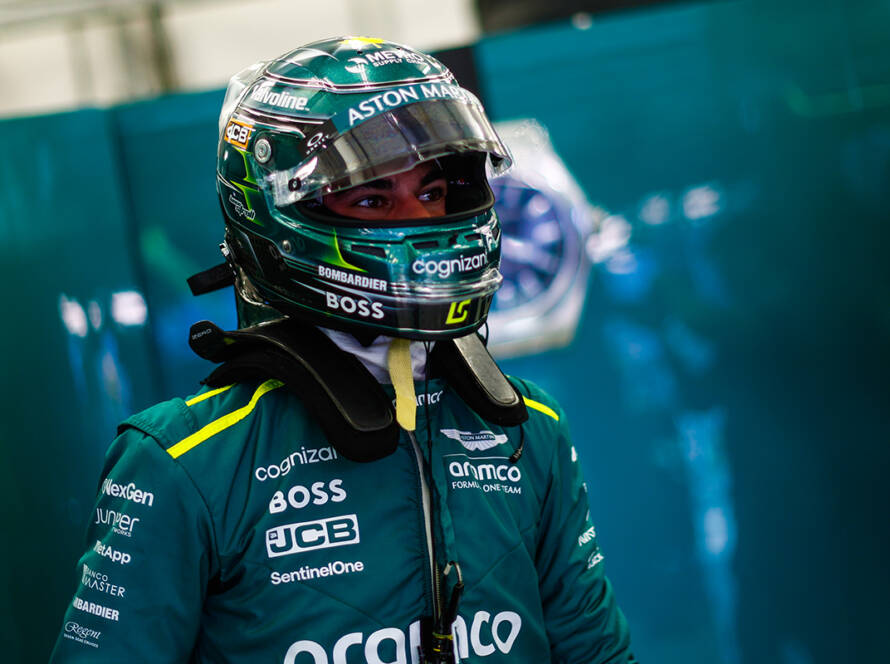
The Japanese GP weekend opened with a session that did more than simply ease drivers back into Suzuka’s rhythm. Instead, it immediately provided a clear reference point for the competitive order while reinforcing just how tight the margins are at the front of the 2026 season. With low grip conditions early on and multiple teams running different programmes, FP1 evolved into a meaningful comparison of pace rather than a purely exploratory session.
George Russell set the benchmark in Japanese GP FP1 with a 1:31.666, edging team-mate Kimi Antonelli by just 0.026 seconds. That gap is marginal, but its significance lies in the broader context of the season so far. Mercedes arrived in Japan as the team to beat, and the opening session confirmed that status has not shifted. At the same time, the closeness between their two drivers suggests that what initially looked like a clear hierarchy is quickly becoming one of the defining battles of the season.
Mercedes combine balance and confidence through Suzuka’s key sections
Russell’s lap was not just quick, it was composed, particularly through the high-speed opening sector where Suzuka tends to expose any instability in the car. The Mercedes looked predictable and planted through the Esses, allowing Russell to build confidence across the lap rather than managing the car corner by corner. That characteristic has been consistent across the opening rounds, and it translated effectively into Japanese GP FP1 despite the circuit’s unique demands.
Antonelli’s performance added another layer to that picture. The Italian was within touching distance of Russell despite a small lock-up that cost him time on one of his soft tyre runs, which suggests the final margin could have been even tighter. More importantly, his pace looked repeatable rather than opportunistic, reinforcing the idea that this is not a one-off performance but part of a growing trend. Suzuka is a circuit that rewards precision and rhythm, and the fact that both Mercedes drivers were able to operate at that level immediately is a strong indicator of the car’s underlying strength.
McLaren disrupt Ferrari’s early momentum in the fight behind
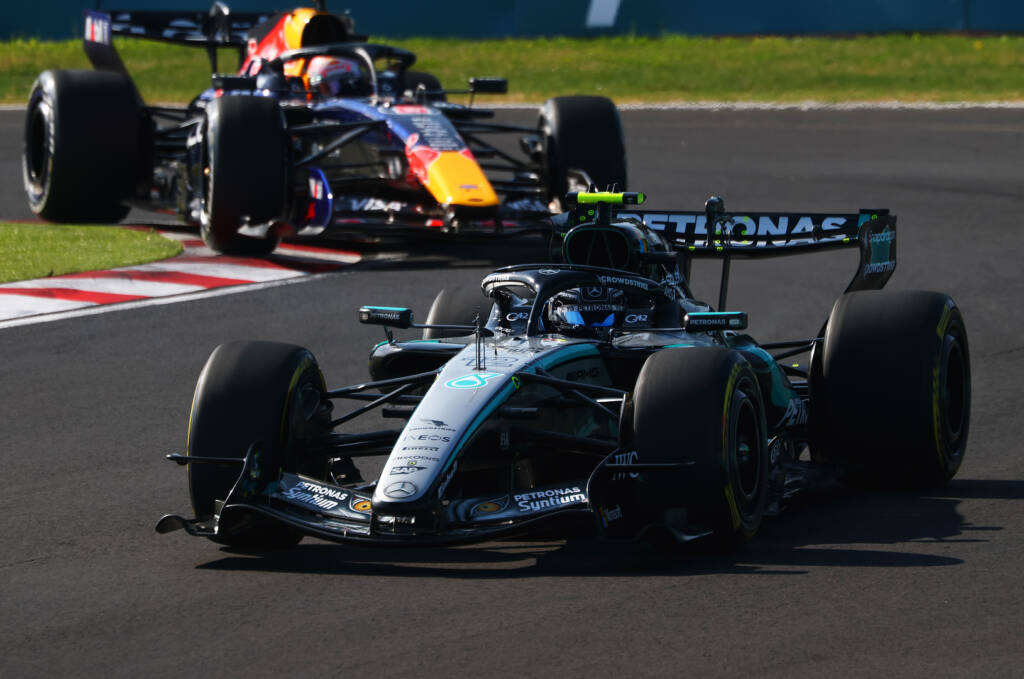
Behind Mercedes, the picture was less settled but equally competitive. Ferrari initially appeared to have the edge, with Charles Leclerc and Lewis Hamilton both setting strong early benchmarks as the track began to evolve. However, as the session progressed and teams switched to softer compounds, McLaren shifted the order.
Lando Norris finished third, just over a tenth away from Russell, with Oscar Piastri close behind and separated by only 0.067 seconds. That gap between the McLaren drivers reflects how evenly matched they remain, even as the team continues to recover from a difficult start to the season. Their late-session pace suggests that, at least over a single lap, McLaren are capable of inserting themselves into the fight behind Mercedes.
Ferrari ultimately followed, with Leclerc ahead of Hamilton, but the margins remained tight across the group. The difference between second and sixth place was measured in tenths, not seconds, which highlights how sensitive the order currently is to tyre choice, timing and execution. The bigger question for Ferrari remains long-run consistency, particularly at a circuit like Suzuka where sustained lateral load places continuous stress on the tyres and exposes any degradation issues more clearly than most tracks.
A compressed midfield hints at another tight qualifying battle
Further down the order, Japanese GP FP1 underlined how competitive the midfield remains. Racing Bulls stood out with both cars inside the top ten, while Esteban Ocon delivered a strong session for Haas, continuing a positive start to the season for the team. The gaps between multiple drivers were minimal, often within a tenth of a second, which suggests that small improvements or mistakes could significantly impact grid position.
Arvid Lindblad continued to impress despite having no prior racing experience at Suzuka, adapting quickly to a circuit that traditionally challenges even experienced drivers. His performance, combined with the tight margins across the midfield, points towards a highly competitive fight for the final Q3 positions, where track position will be critical given Suzuka’s limited overtaking opportunities.
Incidents and interruptions highlight Suzuka’s unforgiving nature
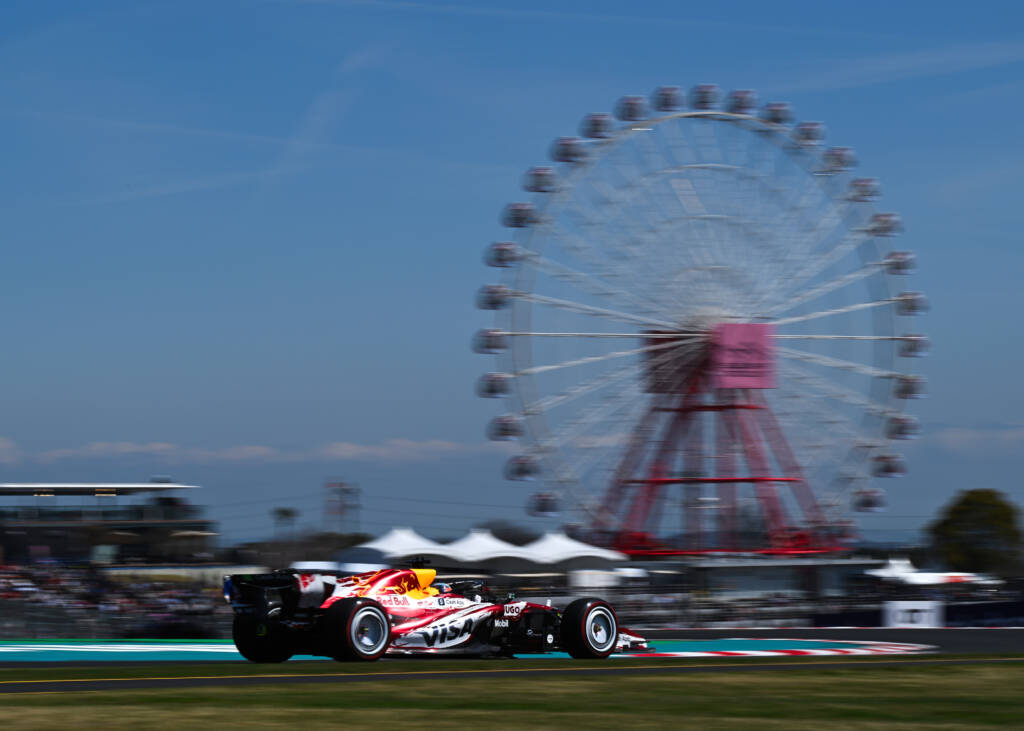
Not every team managed a clean session, and the Japanese GP’s demanding layout quickly punished small errors. Alex Albon experienced a particularly difficult outing, first running wide through the Degner corners and later making contact with Sergio Perez, which left debris on track and disrupted running for several drivers. Both incidents emphasised how little margin for error exists at Suzuka, especially in low-grip conditions early in the weekend.
McLaren also faced early complications, with Norris missing part of the session due to work on his car before returning later on. Across the grid, several teams used the session for aerodynamic data collection, running flow-vis paint and aero rakes, which limited the number of representative laps in the opening phases and made the final classification more reflective of late-session performance.
Aston Martin prioritise data collection with Crawford in the car
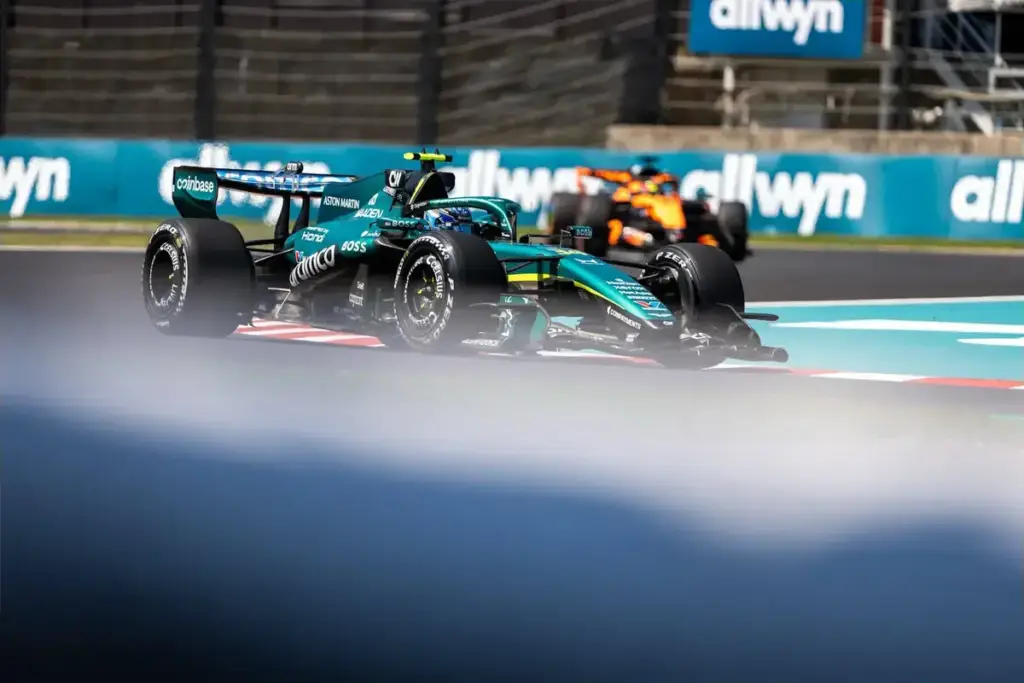
Aston Martin approached Japanese GP FP1 with a different objective, focusing on data gathering rather than outright pace. Fernando Alonso sat out the session as part of the team’s young driver programme, with Jak Crawford stepping in and completing valuable laps at Honda’s home circuit. Both Crawford and Lance Stroll finished at the back of the field, but the session provided important information that will feed into the rest of the weekend.
The team’s current approach reflects a longer-term perspective, with an emphasis on understanding the car’s limitations and building towards improvement rather than expecting immediate results. At a circuit as demanding as Suzuka, that process becomes even more important, as weaknesses are exposed more clearly than at most venues.
Japanese GP FP1 confirms direction but leaves key questions open
The opening session of the Japanese GP has not decided anything, but it has clarified the direction of the weekend. Mercedes remain the reference point, combining pace and stability in a way that others have yet to match, while the battle between Russell and Antonelli continues to evolve into one of the defining narratives of the season.
Behind them, McLaren and Ferrari appear closely matched over a single lap, but questions remain around consistency and tyre management, particularly in race conditions. The midfield, meanwhile, remains tightly packed, where small differences in execution will have a disproportionate impact on results.
Japanese GP FP1 provided the first meaningful reference at Suzuka. The next sessions will determine whether that picture holds or begins to shift under pressure.