Although rookie tests are not officially competitive sessions, the FP2 timesheets often serve as a strong indicator of raw pace, adaptability, and technical understanding. In Madrid, the second three-hour session proved especially relevant, as track conditions stabilized and teams shifted focus from exploratory runs to more performance-oriented programs.
At the top of the FP2 classification was Nikita Bedrin, representing DS Penske. His benchmark lap of 1:29.250 was the fastest of the afternoon and a clear demonstration of both his speed and growing confidence in the all-electric machinery. Bedrin’s performance stood out not only for the time itself, but also for the consistency he displayed across different run plans, including both qualifying-style laps and energy management simulations, a critical dual skillset in Formula E.
However, despite topping FP2, Bedrin did not secure the fastest time of the day overall. That distinction remained with Théophile Naël of Mahindra Racing, whose 1:29.216 from the morning session held firm. This contrast between session performance and overall classification highlights an important nuance, while FP2 is often the most representative session, ultimate pace can emerge under varying conditions, and Naël’s earlier effort proved just enough to stay ahead.
A closely contested top three
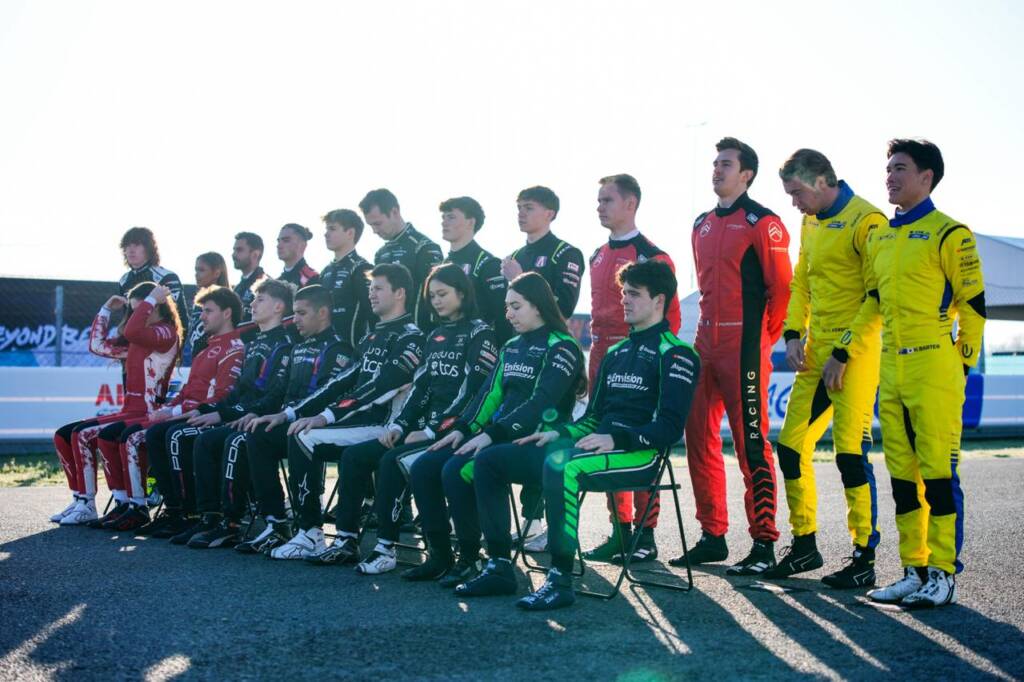
One of the most striking aspects of the FP2 results was the extremely tight competition at the front of the field.
Bedrin was closely followed by Kush Maini, also representing Mahindra Racing, just 0.080 seconds behind. Naël himself completed the top three, only 0.168 seconds off Bedrin’s pace.
This narrow margin, less than two tenths covering the top three, underlines the high level of preparation and talent among the rookies. It also reflects how quickly these drivers were able to adapt to the unique demands of the GEN3 Evo car, which differs significantly from machinery used in other categories, particularly in terms of braking systems, energy regeneration, and race strategy.
Beyond the top three, the gap began to widen. Victor Martins placed fourth, more than six tenths off the lead, followed by Théo Pourchaire in fifth. The remainder of the top ten, including Freddie Slater, Zak O’Sullivan, Callum Voisin, Abbi Pulling, and Joshua Dürksen, formed a second group, generally separated by tenths rather than hundredths.
This distribution suggests a natural stratification within the field, a leading trio already operating at near-elite Formula E pace, and a chasing pack still refining their approach to the category’s technical complexities.
Mahindra’s continued momentum
Even though DS Penske claimed the top spot in FP2, the broader picture across both sessions clearly favored Mahindra Racing. The Indian manufacturer demonstrated remarkable consistency, placing drivers at or near the top in both sessions and effectively controlling the overall narrative of the test.
This strong showing is not an isolated case. Mahindra had already impressed during pre-season testing at the Circuit Ricardo Tormo, where its race drivers also delivered one of the most competitive overall performances. The continuation of that form into the rookie test suggests that the team has made significant strides in optimizing the GEN3 Evo package, not only for experienced drivers but also for newcomers adapting to the system.
Moreover, the ability of both Naël and Maini to deliver competitive lap times indicates a well-balanced car that is accessible and predictable, a key factor in helping rookies quickly find performance.
The technical challenge of Jarama
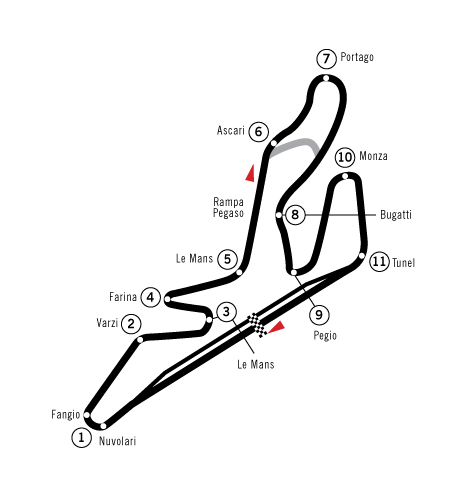
The Circuito de Jarama itself played a crucial role in shaping the results. Unlike many modern circuits, Jarama features a tight, technical layout with elevation changes and a sequence of medium- and low-speed corners that punish even minor mistakes.
For rookie drivers, this presented a dual challenge, mastering the circuit’s demanding geometry while simultaneously learning the intricacies of a Formula E car. The GEN3 Evo’s emphasis on regenerative braking and energy efficiency adds another layer of complexity, requiring drivers to think not just about speed, but also about how they manage energy across a lap
This context makes the close gaps at the front even more impressive, as it indicates a rapid learning curve and a high level of adaptability among the leading drivers.
Opportunity in the Rookie Test
Beyond the lap times, the Rookie Test serves a broader purpose within the FIA framework. It is designed as a development platform, offering emerging talents a rare opportunity to work directly with Formula E teams, engineers, and systems.
Notably, the Madrid test also featured drivers who had previously participated in the all-women testing initiative, including Abbi Pulling. This reflects a long-term commitment by the FIA and Formula E to expand diversity and accessibility within the sport, creating clearer pathways for underrepresented groups to progress into top-tier electric racing.
Such initiatives are increasingly important in shaping the future of motorsport, ensuring that talent identification is based on performance and potential rather than limited by structural barriers.
Looking Ahead to Berlin
With the Madrid rookie test complete, attention now turns to the next competitive rounds of the championship.
The series will resume in Berlin, at the Tempelhof Airport circuit, for Rounds 6 and 7 of the season.
While rookie test results do not directly influence race line-ups, they often play a key role in shaping team decisions regarding reserve drivers and future contracts.