Prema Racing has long been regarded as one of the most dominant and respected teams in Formula 2 and Formula 3. Yet conversations about the Prema Racing decline have grown louder over the past two seasons, as results no longer match the reputation that once made the Italian outfit the clear benchmark of the junior ladder.
For a team synonymous with Formula 1 preparation, this shift feels significant.
A proven pathway to Formula 1
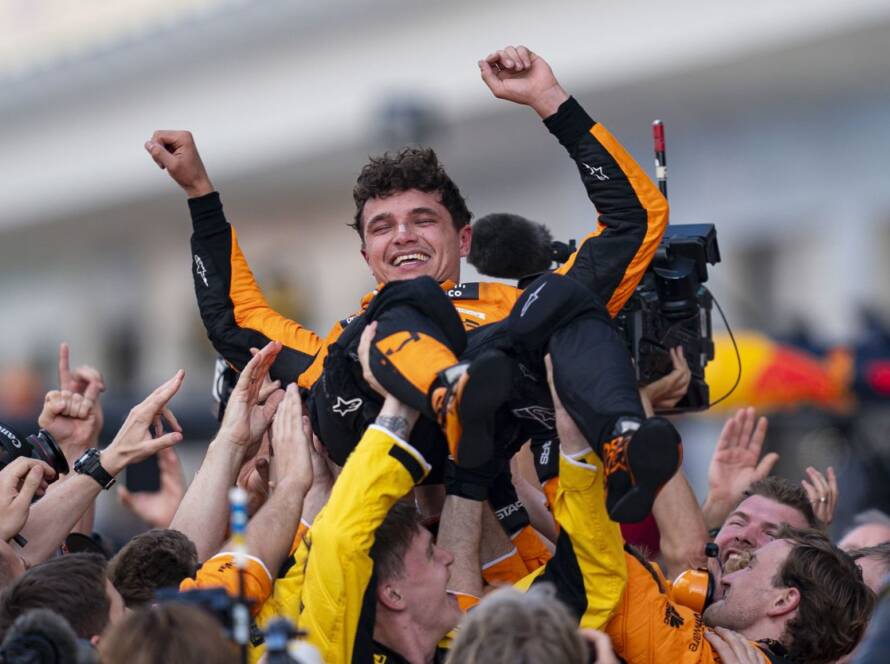
The Italian team built its reputation on results and names. Formula 1 talents like Charles Leclerc and Oscar Piastri both raced with Prema in the feeder series, using the team to reach the highest level of motorsport. More recently, Oliver Bearman and Kimi Antonelli, rookies who drew attention well before setting foot in a Formula 1 car, also developed under the Italian team.
For years, joining Prema almost felt like a guarantee of contention. The team’s operational discipline, strategic sharpness, and ability to extract performance from young drivers created a reputation few could challenge.
That is why the narrative of Prema Racing decline feels so striking. The expectation was dominance. The recent reality has been far more complex.
Prema Racing decline starts
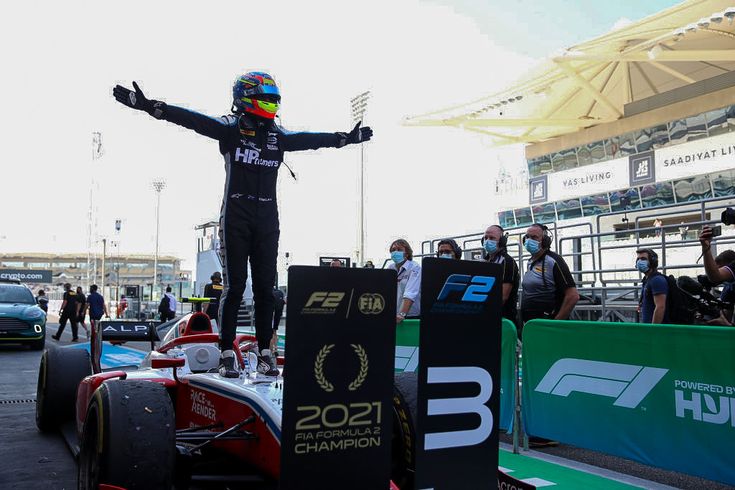
The last time Prema Racing claimed a Constructors’ Championship was in 2021, a season that also saw Oscar Piastri dominate on his way to the Drivers’ title. That year felt like the continuation of a dynasty, becoming back-to-back Constructors champions.
From that point, however, results began to soften.
In 2022, the Italian team dropped to fourth place in the Constructors’ standings, with a total of 241 points. While not catastrophic, it marked a clear step back from a team that was considered the benchmark. The following season brought a slight improvement, with Prema finishing second, but the team couldn’t recapture the dominance that defined them.
What once looked like a dynasty now appeared vulnerable.
When rivals stopped chasing
In recent seasons, the competitive landscape of Formula 2 has tightened dramatically. Teams that once operated in Prema’s shadow have improved their technical execution, strategic consistency, and driver pairing strength.
Despite signing undeniably talented drivers, Prema struggled to return to its previous form. The consistency, race-to-race control, and strategic sharpness that once separated them from the rest of the grid appeared harder to find.
The situation became even more concerning over the last two seasons. In both 2024 and 2025, the Italian team found itself fighting not for titles but to remain competitive at the front of the grid. As other teams established themselves as championship contenders, Prema Racing decline was more and more obvious. Once again, the results told the story: a fourth-place finish followed by sixth in 2025.
Structural shift or temporary reset?
The recent results have inevitably raised questions about their performance. Has the competitive landscape changed too much? Or is this simply a transitional phase for a team that has defined an entire generation of feeder-series racing?
Formula 2 has evolved. The margins are smaller, data usage is more advanced, and driver pipelines are more aggressive. In such an environment, past dominance does not guarantee future control. And it is clear that Prema Racing is no longer the untouchable benchmark it once was.
The 2026 season will be critical. It will determine whether the Prema Racing decline narrative solidifies or fades into a short-lived dip in a long-term success story. For the first time in years, Prema Racing enters a campaign not as the undisputed benchmark, but as a team with something to prove.