


Just like Formula One and the FIFA World Cup, Formula E is turning Hard Rock Stadium into one of Miami’s must-attend cultural moments of the year. For the first time ever, the all-electric championship will race at the International Hard Rock Stadium Autodrome, using one of its newly approved shorter configurations — fast, technical, and purpose-built for close, energy-sensitive racing.
Miami is Formula E’s only stop in the United States this season, a detail that adds extra weight to round three of Season 12. For American-based teams such as Andretti, DS Penske, and Cupra Kiro, the Miami E-Prix represents a rare home race opportunity in front of domestic fans, partners, and stakeholders.
Arriving from Mexico City — where Citroën claimed a historic first victory in Formula E — and following key Gen4 development tests, the championship lands in Florida with momentum building both on and off the track. The weekend will culminate with Saturday’s race and a live performance by global Latin music star Farruko, reinforcing Formula E’s growing connection with culture, entertainment, and new audiences.
But before the lights go out on Saturday, Friday in Miami belongs to the future.
For the fourth time in its history, Formula E will host a Rookie Free Practice session, a 40-minute outing designed to give emerging talent from other racing disciplines a genuine, hands-on introduction to the championship — and to the formidable GEN3 Evo machinery.
A gateway into Formula E
Scheduled for Friday, January 30, ahead of the Miami E-Prix, the Rookie Free Practice session is part of a broader Formula E and FIA initiative aimed at creating clearer and more accessible pathways into the world’s top electric racing series.
Much like the Rookie Test held in Valencia during pre-season — and the dedicated Women’s Test that took place there in October — the Miami session offers drivers a full Formula E experience. This is not a demo run or a promotional outing. Rookies will drive the same GEN3 Evo cars used by full-season drivers, on a representative race circuit, under real competitive conditions.
The session will take place on the newly approved shorter configuration of the International Hard Rock Stadium Autodrome, a layout that combines high-speed sections with tight, technical corners. For rookies, it presents a demanding environment to learn energy management, braking regeneration, software-driven systems, and the unique rhythm of Formula E racing — all within just 40 minutes.
What makes the GEN3 Evo such a challenge
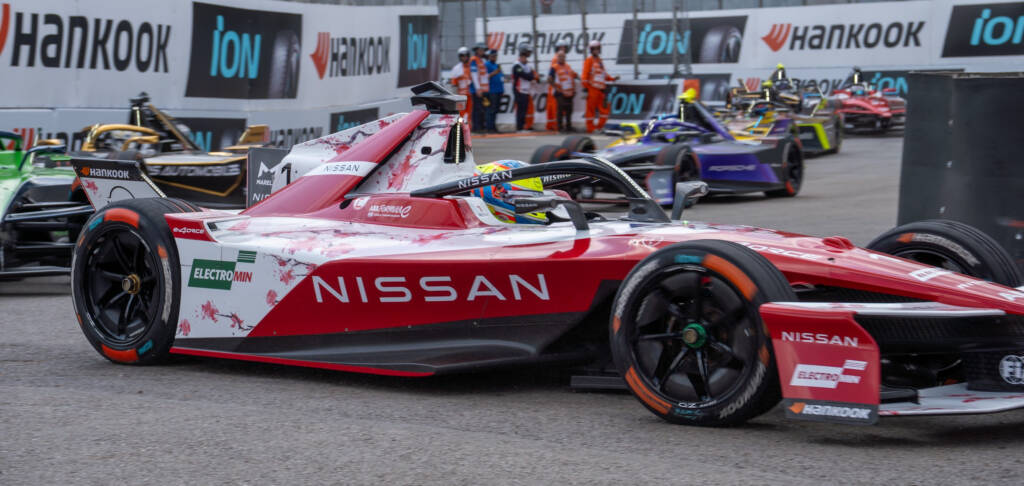
The car itself is central to the opportunity. Formula E’s GEN3 Evo represents the most advanced electric race car ever built. Capable of accelerating from 0 to 100 km/h in just 1.82 seconds, it is approximately 30 percent faster than a current Formula One car off the line.
Beyond raw performance, the GEN3 Evo places enormous emphasis on driver adaptability. With aggressive regeneration under braking, advanced powertrain software, and highly sensitive energy deployment strategies, the car rewards precision, intelligence, and rapid learning — qualities that teams are eager to evaluate in potential future drivers.
For rookies coming from categories such as FIA Formula 3, GT racing, endurance championships, or manufacturer-backed programs, the session offers something invaluable: real data, real feedback, and real exposure to the technical demands of Formula E.
How the Rookie Free Practice works
The Rookie Free Practice is exclusively reserved for non-Formula E race drivers. Eligible participants must hold a Free Practice Only e-Licence and come from recognized international motorsport series. Each team is required to nominate one driver and assign a race car number at least seven days before the event.
During the 40-minute session, rookies will run full programs that may include installation laps, qualifying-style push laps, long runs, and system familiarization. While outright lap times are not the primary focus, teams closely analyze telemetry, driver feedback, energy usage, and adaptability.
In a championship where simulation work and technical understanding are as critical as outright speed, this session often serves as a first real audition.
Early confirmations: familiar names, new opportunities
Although the full list of confirmed rookies will be announced in the coming days, several names have already been revealed.
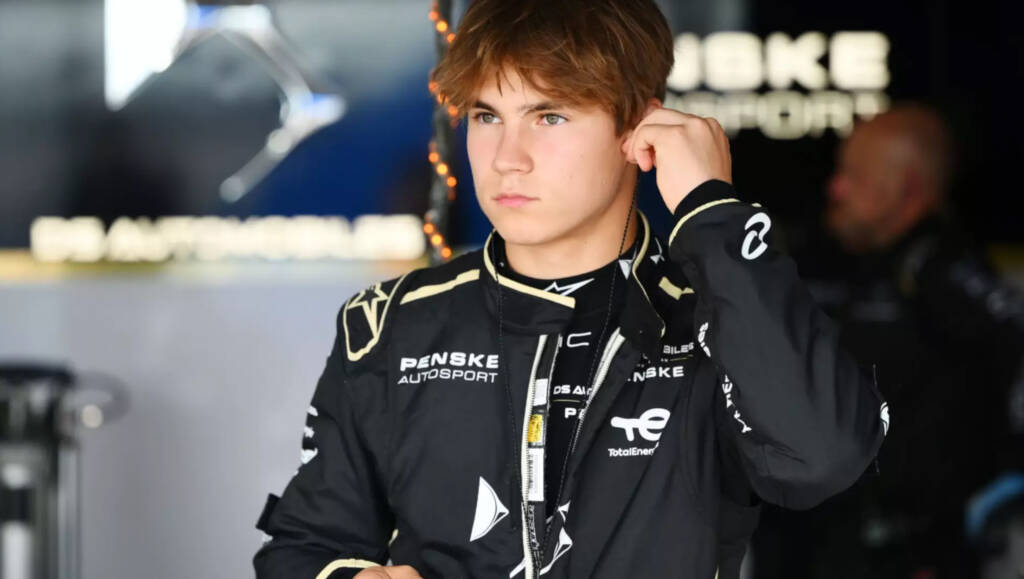
One of them is Nikita Bedrin, who returns to Formula E rookie duties with DS Penske — fittingly at the team’s home race. Bedrin previously took part in the Berlin Rookie Test last season and now gets a second chance behind the wheel of the GEN3 Evo.
A multiple race winner in international karting, Bedrin made headlines in 2020 by dominating the WSK Super Master Series in the OK category, winning heats, qualifying sessions, prefinals, and finals across the final rounds. More recently, he secured his first FIA Formula 3 Sprint Race victory in 2024, reinforcing his reputation as a versatile and high-potential single-seater driver. For 2026, Bedrin has moved to the GB3 Championship with VRD Racing, where he is mounting a title challenge.
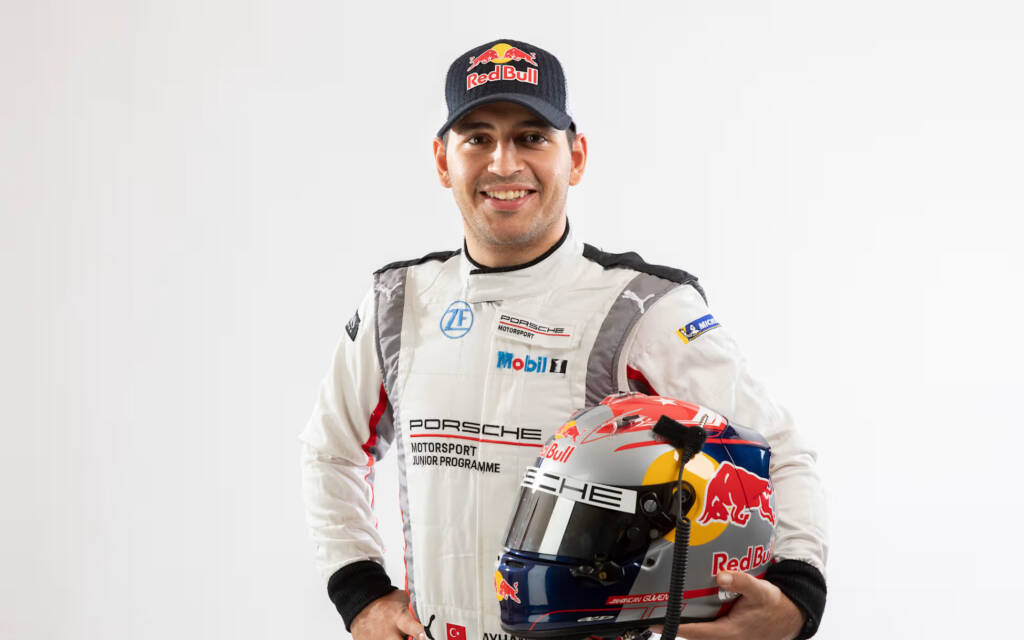
Another confirmed name is Ayhancan Güven, announced by Porsche. The 26-year-old Turkish driver is a graduate of the Porsche Junior Program and has built a strong international profile through GT racing and manufacturer-backed competition. Widely regarded as one of Turkey’s most successful racing exports, Güven’s participation highlights Formula E’s growing interest in drivers with endurance and GT backgrounds, particularly those already familiar with hybrid and energy-management concepts.
Other teams are expected to announce their rookies imminently, completing a diverse field that reflects Formula E’s increasingly inclusive and multi-disciplinary talent pool.
More than a test session
The Rookie Free Practice in Miami is more than just track time. It is a statement of intent from Formula E.
By investing in structured opportunities for emerging drivers — alongside initiatives such as the Women’s Test — the championship continues to position itself as a leader in innovation, diversity, and long-term talent development. In a motorsport landscape often defined by limited access and narrow pathways, Formula E is actively expanding the entry points.
For the rookies, 40 minutes may not sound like much. But in Formula E, those 40 minutes can change careers.


3 Comments