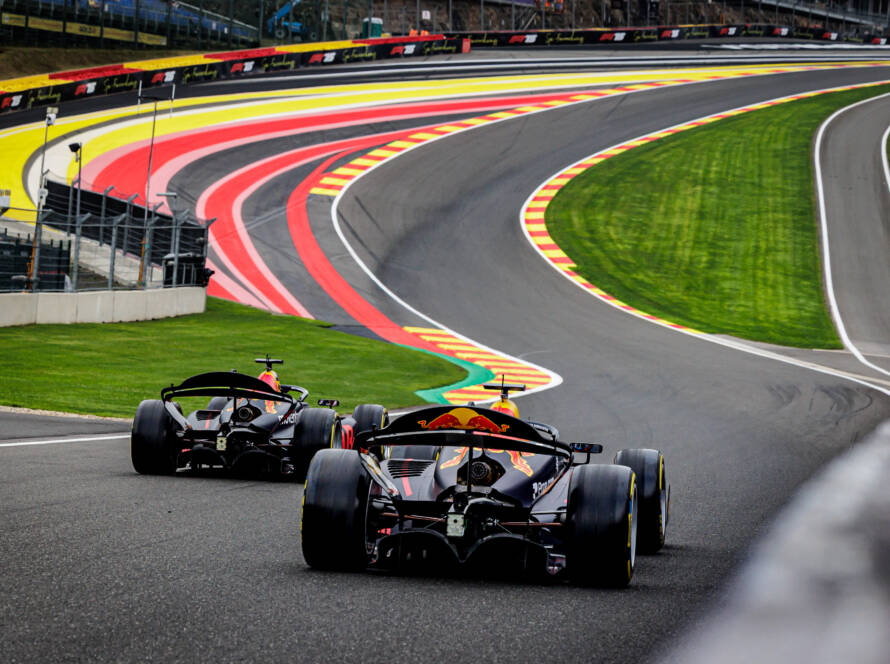
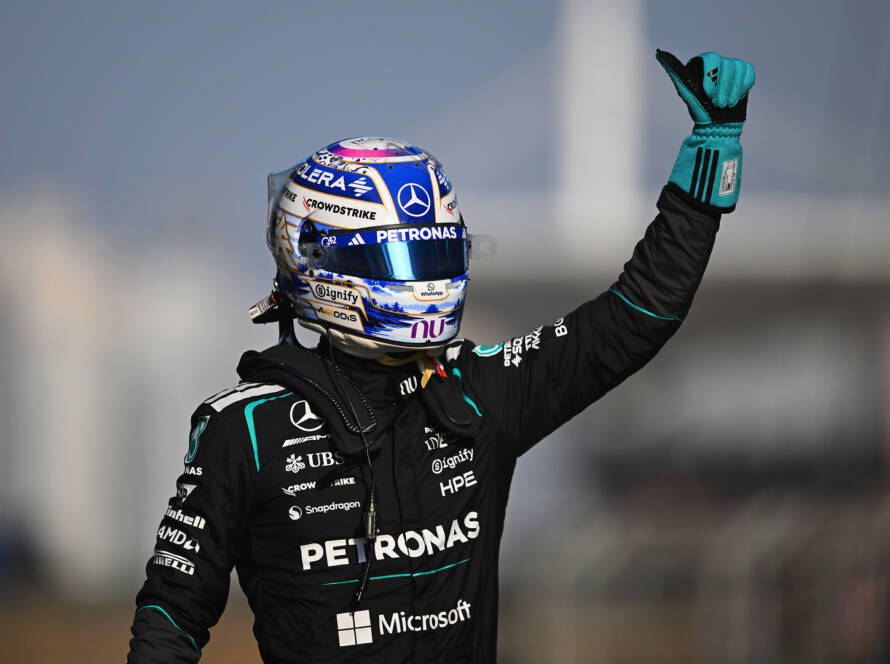
Formula 1 is built on intensity. Grand Prix races last little more than 90 minutes, and every lap feels urgent. Le Mans, by contrast, unfolds over 24 hours, where survival can matter as much as speed. One rewards relentless pace; the other rewards patience. Yet when placed side by side, these two extremes of motorsport reveal lessons that stretch beyond the stopwatch.
Speed versus sustainability
Formula 1 demands immediate performance. Cars are engineered to operate at the limit from the moment the lights go out. Drivers push hard, knowing that track position and split-second decisions often define the outcome. There is little room for conserving machinery or easing into a rhythm.
Le Mans tells a different story. Endurance racing requires mechanical sympathy. Drivers must think in hours, not laps. Aggression is balanced against the risk of damaging the car. A minor mistake at hour three can cost victory at hour twenty-three. The discipline of restraint becomes as important as outright pace.
Formula 1 could draw insight from this approach. While it should never abandon its high-intensity DNA, there is value in making long-term sustainability more visible within the spectacle. Showing fans how drivers manage risk across a race could add another layer to the narrative.
Strategy as a long-term game
Strategy in Formula 1 often centres on pit stop timing, tyre degradation and reacting to safety cars. These are complex decisions, but they unfold within a relatively short timeframe. The horizon is measured in minutes.
At Le Mans, strategy is architectural. Teams plan driver rotations, energy deployment and fuel management across a full day. Weather shifts, night-time visibility and fatigue all influence decisions. The story evolves slowly, with momentum swinging over many hours.
What Formula 1 can learn is not about extending race length, but about deepening the visibility of its strategic complexity. When broadcast and digital coverage make strategy easier to understand, fans engage more fully. Endurance racing thrives on layered storytelling, and F1 can benefit from presenting its tactical decisions with similar clarity.
Individual stardom versus collective identity
Formula 1 is shaped around individual drivers. Even though it is a team sport, the narrative often centres on a single name. Rivalries, contracts and personal achievements dominate headlines.
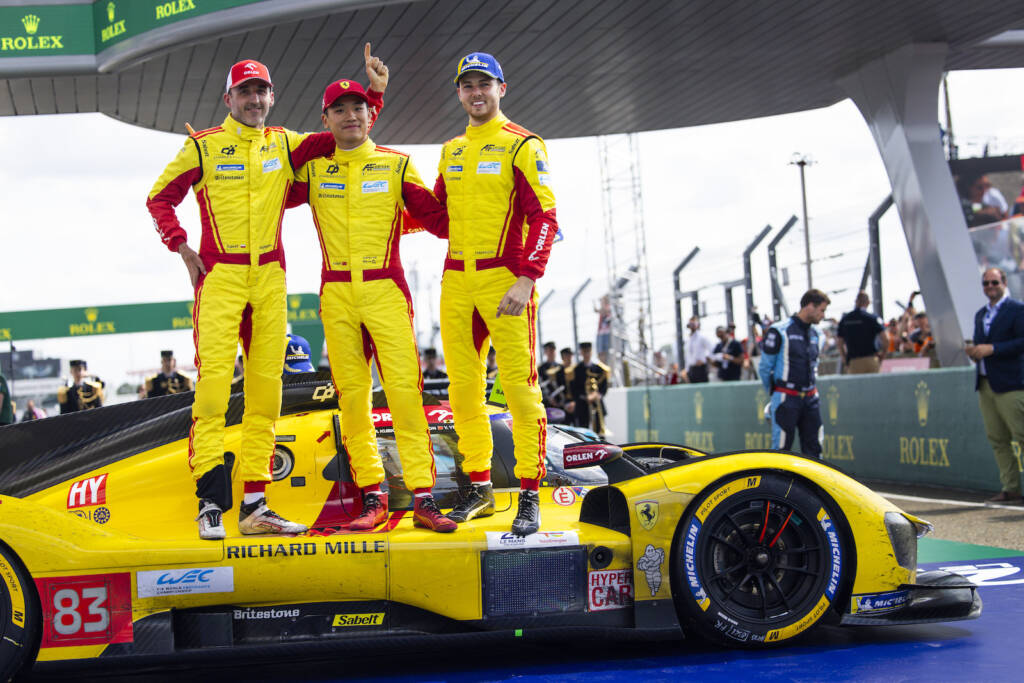
Le Mans shifts the focus. Multiple drivers share one car, and success depends on seamless collaboration. No single stint defines the outcome. The car belongs to a collective effort rather than an individual hero.
There is something powerful in that model. It reminds audiences that elite performance is rarely a solo act. Formula 1 could highlight its collective dimension more clearly, from engineers to strategists to pit crews. Doing so would not diminish star drivers, but it would broaden the understanding of what it takes to win.
Risk management as a competitive skill
In a Grand Prix, pushing to the limit is expected. Margins are fine, and hesitation can mean losing positions that are difficult to recover. The sport rewards boldness.
Endurance racing reframes risk. Winning often depends on knowing when not to attack. Reliability is treated as a competitive advantage rather than a baseline expectation. The fastest car over one lap may not survive 24 hours.
This philosophy offers a subtle lesson. Motorsport fans appreciate visible tension between speed and preservation. When Formula 1 drivers manage tyres carefully or adjust pace to protect equipment, those moments are part of the competitive drama. Making this tension clearer enhances appreciation for the craft behind the wheel.
Event identity and fan experience
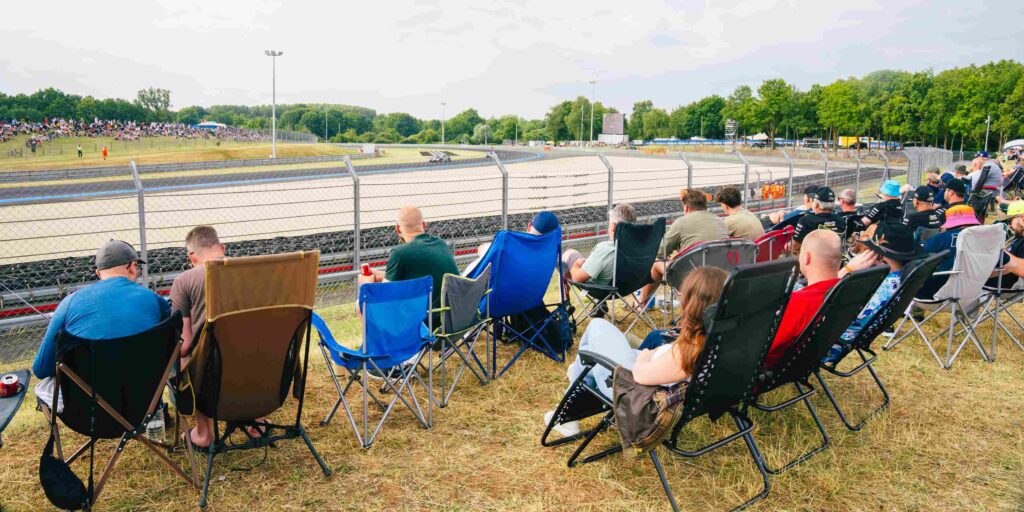
The format of each event shapes how fans engage. A Formula 1 Grand Prix is a travelling global spectacle, arriving and departing within days. Le Mans is a singular annual pilgrimage, where fans settle in for an immersive experience that blends racing with endurance culture.
Each format has strengths. F1 delivers concentrated excitement and global accessibility. Le Mans offers immersion and tradition. Formula 1 could explore ways to deepen its sense of occasion without losing its mobility, perhaps by leaning further into the history and narrative continuity of specific races.
Understanding how event structure influences loyalty is valuable. Fans are drawn not only to speed, but to meaning and ritual.
Different formats, shared lessons
Formula 1 should not become an endurance championship, nor should Le Mans attempt to replicate the sprint intensity of a Grand Prix. Their differences are what enrich motorsport as a whole.
Yet contrast invites reflection. From Le Mans, Formula 1 can learn the value of patience, visible risk management and layered storytelling. It can remind audiences that performance is not only about who is fastest in the moment, but who sustains excellence under pressure.
Sprint and marathon represent two philosophies of competition. Together, they illustrate that greatness in motorsport comes not from speed alone, but from balance. The spectacle of Formula 1 is sharpened, not diminished, when viewed alongside the endurance of Le Mans.