Sport is built on competition, but not every victory feels the same. A Formula 1 driver being told via team orders to let a teammate pass or a footballer deliberately stopping a counterattack can leave fans uneasy. These moments are legal, often strategic, and sometimes decisive. Yet they raise a deeper question that goes beyond the rulebook. When does winning stop feeling fair?
When strategy meets discomfort
Team orders in Formula 1 and tactical fouls in sports like football or basketball share a common feature. They are deliberate decisions designed to influence the outcome of a contest without breaking the rules. A driver may be asked to yield a position to support a championship campaign. A defender may commit a foul to prevent a goal-scoring opportunity.
In both cases, the action is intentional and calculated. It is not about spontaneous competition, but about managing the game. That is where the discomfort begins. Fans are drawn to sport for its unpredictability and authenticity. When outcomes appear shaped by instruction rather than performance, the spectacle can feel altered.
Winning within the rules
From a purely competitive perspective, these tactics make sense. Teams and athletes operate within a defined set of rules, and success often depends on using those rules as effectively as possible. If a tactical foul prevents a likely goal or a team order secures maximum points in a championship battle, the decision can be justified as rational.
Elite sport is rarely about ideal scenarios. It is about optimisation. Coaches, engineers and strategists search for every possible advantage, however small. In this context, refusing to use available tactics could even be seen as a disadvantage. The question is not whether these actions are allowed, but whether they should be embraced.
The gap between legal and fair
This is where the ethical tension becomes clear. Legality does not always align with fairness. A tactical foul may follow the letter of the law while violating its spirit. A team order may respect the rules of a championship while undermining the idea of equal competition between teammates.
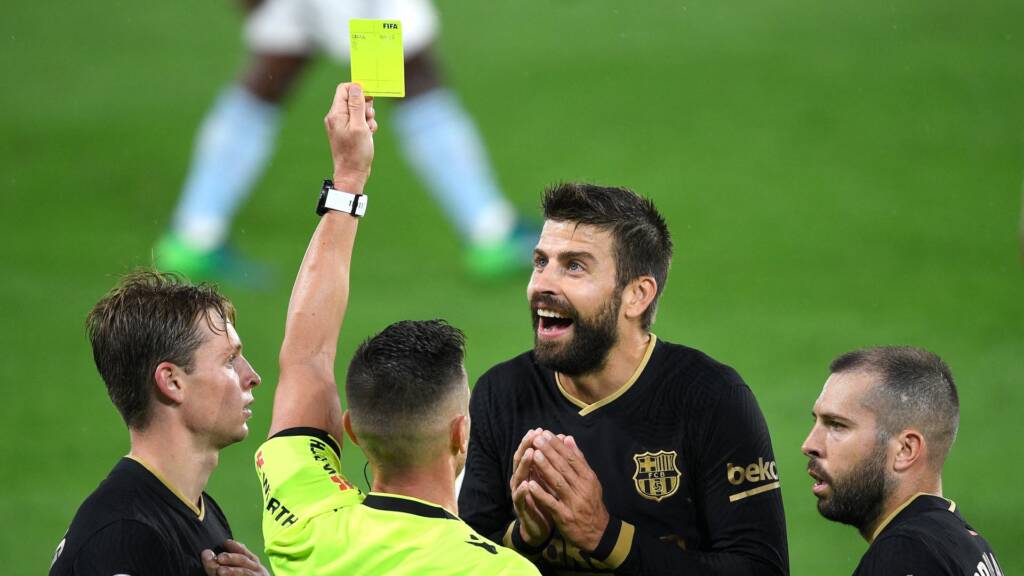
Sport operates in this grey area. Rules define boundaries, but they cannot capture every nuance of what feels right. Fans often respond to instinct rather than regulation. They sense when a moment lacks authenticity, even if it is technically correct. That reaction highlights a deeper expectation that sport should be not only competitive, but also honest in its expression.
Individual ambition vs collective success
Team orders bring another layer to the debate by placing individual ambition against collective goals. A driver competing at the highest level is conditioned to maximise personal performance. Being asked to step aside challenges that instinct. It reframes success as something shared rather than earned individually.
In other sports, this dynamic is more familiar. Players sacrifice personal statistics or opportunities for the benefit of the team. The difference in Formula 1 is visibility. The instruction is often explicit and public, making the compromise impossible to ignore.

This raises a question about the nature of teamwork. Is it defined by cooperation towards a common goal, or does it risk becoming control when individual competition is limited? The answer depends on perspective, but the tension remains central to the debate.
How different sports accept or reject these tactics
Not all sports treat these situations equally. In cycling, team hierarchy and sacrifice are openly acknowledged as part of the discipline. In football, tactical fouls are widely understood, even if they are criticised. In basketball, deliberate fouling can be part of end-game strategy.
Formula 1 occupies a unique position. It presents itself as both an individual and a team sport. Drivers compete against each other while representing the same organisation. This dual identity makes team orders particularly visible and controversial. The sport cannot fully commit to one model or the other, and the result is ongoing debate.
The role of fans and storytelling
Public perception plays a significant role in how these moments are judged. Media narratives often frame decisions as either ruthless efficiency or unfair manipulation. A tactical foul might be described as intelligent defending or cynical play. A team order can be seen as strategic clarity or a betrayal of competition.
Fans bring their own expectations into this interpretation. Some value pure competition above all else. Others appreciate the strategic complexity that comes with high-level sport. The same action can be admired or criticised depending on how it is presented and understood.
Can winning ever be completely fair?
At its core, this debate reflects a broader truth about sport. Competition takes place within systems that are inherently imperfect. Rules attempt to create fairness, but they also create opportunities for exploitation. The line between smart strategy and unsporting behaviour is rarely fixed.
Perhaps the discomfort surrounding team orders and tactical fouls is not a flaw, but a feature. It forces fans to question what they value in sport. Is it the purity of competition, the intelligence of strategy or the achievement of victory?
There may not be a single answer. Sport thrives on this tension. It is what makes certain wins feel clean and others feel complicated. In the end, the ethics of winning are not decided solely by rules, but by how those victories are perceived and remembered.