Every lap, every pit stop and every split second decision in Formula One is influenced by more than just horsepower, aerodynamic downforce or tyre compounds. As we head into the glamour and glare of the Las Vegas Grand Prix weekend, the reality becomes clear: performance is shaped as much by human limits and environmental variables as by engineering, revealing the hidden factors in F1 that often decide the outcome.
Time, Travel and the Human Clock
Night races such as Las Vegas bring unique demands. The shift to late hours means drivers, engineers and support staff must adjust their body clocks, sleep routines and energy management. With F1’s 2025 calendar stretching across five continents and 24 races, the toll of constant travel and fluctuating time zones is immense. As Toto Wolff admitted ahead of Las Vegas,
“We are suffering on a high level here, OK. If you talk about jet lag and stress, you speak about 80 percent of the team people.”
A driver may be mentally sharp, but if key engineers or mechanics are fatigued or out of sync, performance inevitably suffers.
Jet lag, repeated long-haul flights and constant disruption to sleep all contribute to a hidden endurance test that extends well beyond the cockpit. Teams now employ physiologists, sleep experts and light therapy to help maintain alertness, while drivers follow strict travel schedules and diet plans to keep their circadian rhythms under control. Yet, the switch from European afternoons to desert midnights compresses preparation time and recovery, leaving little margin for error. In a sport of thousandths of a second, fatigue can be as costly as a slow pit stop.
Track and Environmental Conditions
The external environment, including ambient temperature, track surface, wind, humidity and altitude, imposes continuous challenges. At Las Vegas, the night-time desert air cools rapidly, making it difficult for tyres and brakes to reach and maintain their optimal operating temperatures. When this happens, grip levels fall away and drivers must nurse their cars more carefully, affecting lap consistency and strategy choices.
Teams compensate by adjusting tyre pressures, aerodynamic balance and out-lap pacing to build heat. Small details, like how a car builds temperature on a cold track, can transform qualifying results. With similar conditions expected in Qatar or Abu Dhabi later in the season, the ability to manage changing temperatures is as strategic as any on-track overtaking move.

Atmosphere, Crowd and Psychological Dynamics
The atmosphere around a race can influence performance as much as any mechanical factor. The noise, the crowd and the cultural backdrop all affect a driver’s mental rhythm. A home favourite can feed off the energy of their fans, while others might find the spectacle distracting or overwhelming.
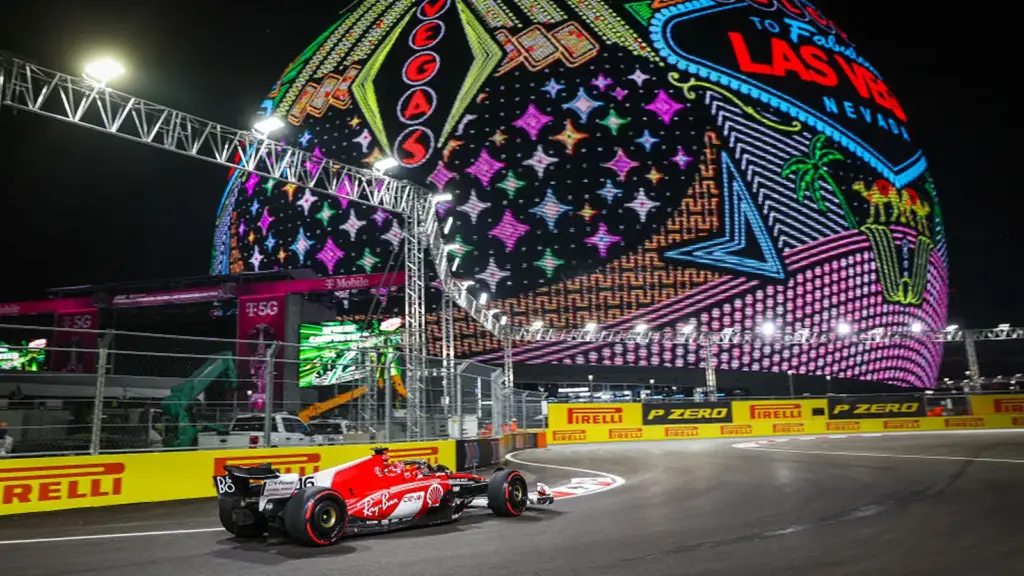
Las Vegas, with its dazzling lights, late start schedule and entertainment-driven presentation, tests focus in a different way. Drivers must tune out the sensory overload of the Strip, keep composure under flashing billboards and maintain routine in a city that never sleeps. Those who adapt mentally often find extra consistency when conditions become chaotic.
Logistics, Weekend Format and Human Fatigue
Behind the scenes, the sport’s logistics and scheduling exert their own pressure. Teams transport hundreds of tonnes of equipment across the globe, racing to rebuild garages and paddocks within tight timeframes. The Las Vegas event, taking place on a Saturday night rather than the usual Sunday afternoon, compresses setup and recovery time even further
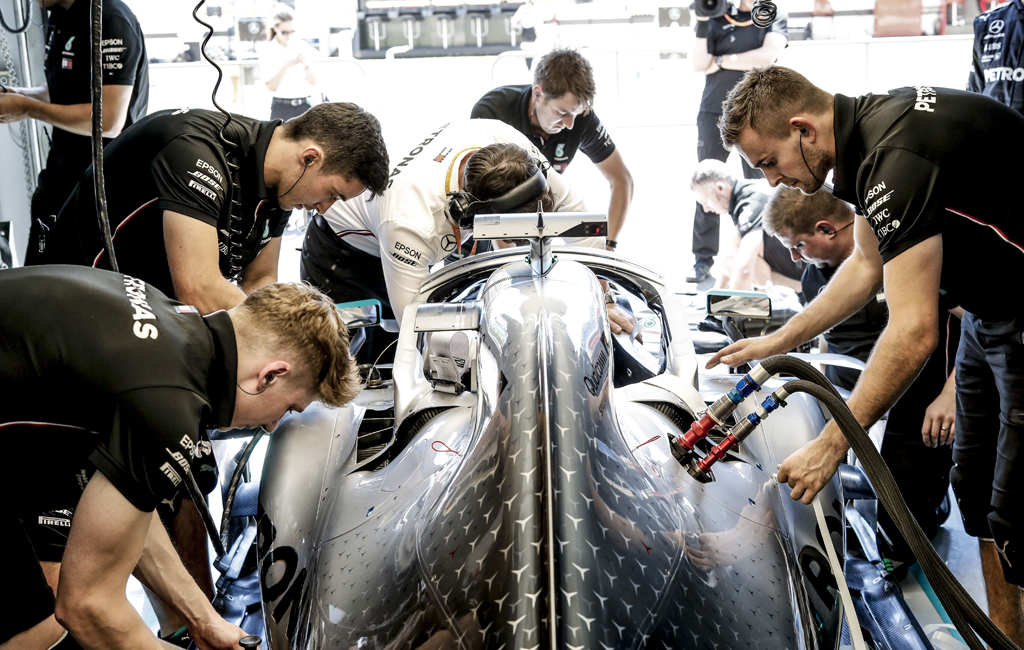
For mechanics and engineers, the workload is relentless. Late nights and early starts reduce sleep opportunities, meals are often skipped or eaten on the go, and minor errors can creep in as fatigue builds. The efficiency of the entire operation, from pit stops to data analysis, depends on how well each individual copes with that strain. When exhaustion spreads through an organisation, it can quietly undermine even the fastest car on the grid.
When analysing performance in Formula One, it is tempting to focus exclusively on downforce, power units and tyre compounds. But as the Las Vegas weekend reminds us, what happens outside the cockpit often tilts the balance. A driver with a perfect car still needs a body clock in harmony, tyres in the right window, a coherent strategy, a resilient mindset and a well-rested, alert team.
Mastering these unseen variables may not make headlines, but it is often what truly wins races.