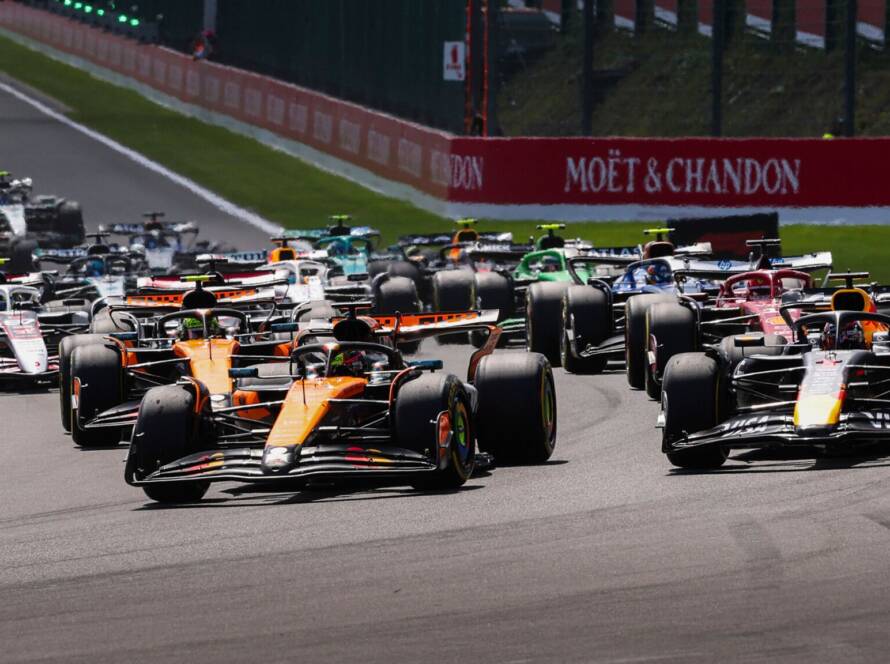
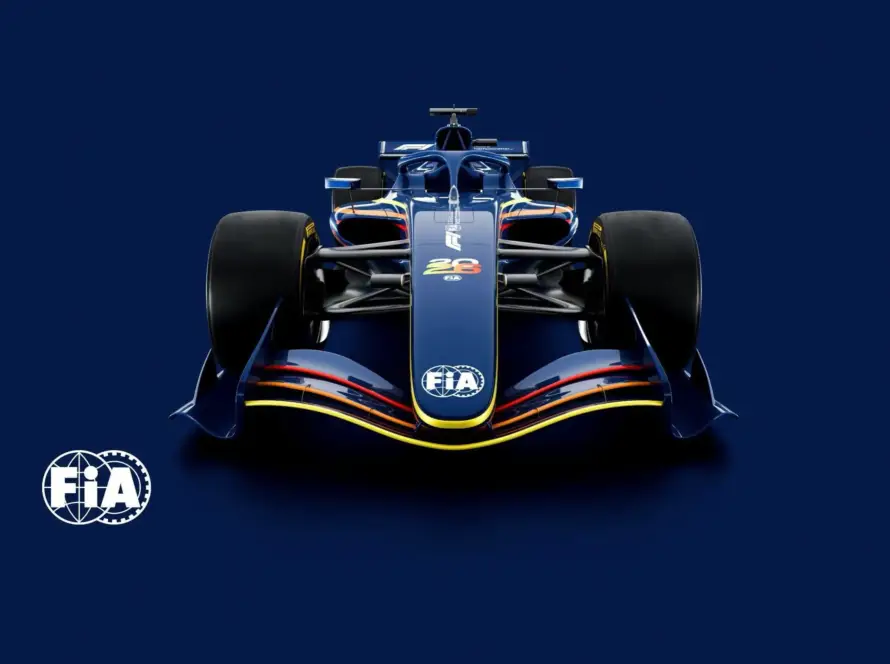
The Japanese GP arrives at a moment where the 2026 season already feels defined, but not settled. Two races into the new regulation cycle, Mercedes have established themselves as the benchmark, Ferrari are close enough to challenge without controlling, and the rest of the grid are reacting rather than shaping the narrative. Suzuka does not decide championships, but it often exposes the direction they are heading.
After China, George Russell leads the standings with 51 points, with Kimi Antonelli just four behind on 47, while Charles Leclerc and Lewis Hamilton sit third and fourth respectively. That gap at the top is small enough to keep the title wide open, but large enough to already define the structure of the fight heading into the Japanese GP.
Mercedes arrive at the Japanese GP with the strongest overall package
Mercedes do not just lead the championship heading into the Japanese GP. They look like the most complete team across qualifying pace, race execution, and adaptability to the new regulations. What China confirmed is that their advantage is not limited to one driver or one scenario.
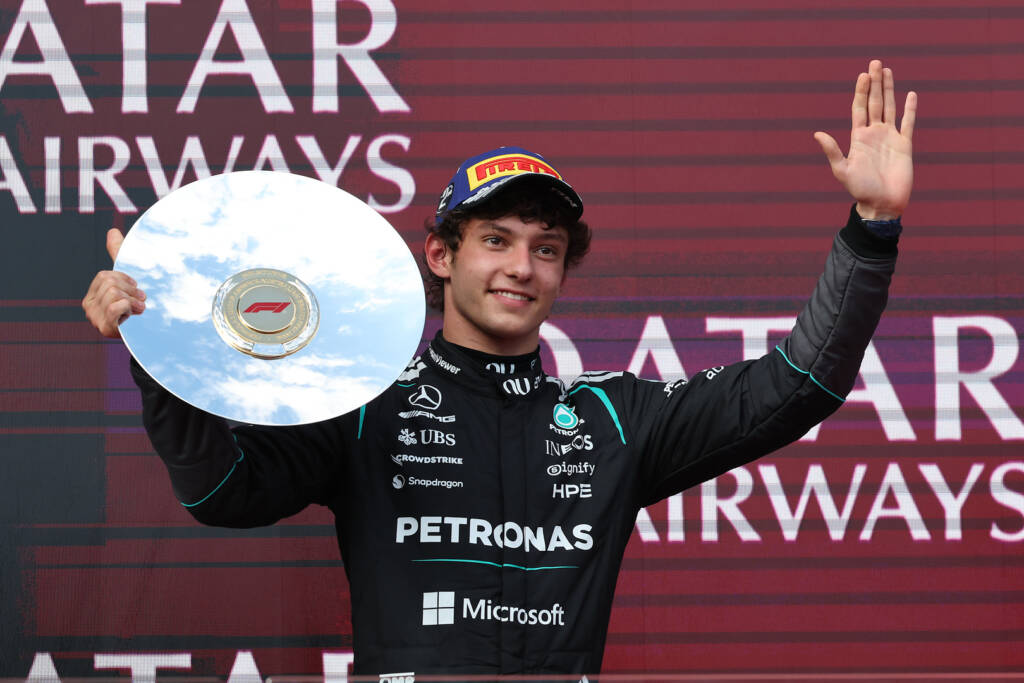
Antonelli’s win in Shanghai changed the perception of the team dynamic almost immediately. His performance was controlled rather than chaotic, built on pace rather than circumstance, and that matters in the context of a season that is still forming. Russell remains the reference across two weekends, but the gap between them is now small enough to remove any clear hierarchy.
Suzuka tends to reward precision over aggression, which makes it an ideal circuit to measure this battle. It is not a track where mistakes can be hidden or compensated for. Every corner feeds into the next, and rhythm matters as much as outright speed. That makes the Japanese GP a critical early benchmark for how this intra-team fight will evolve.
Ferrari are close enough to fight but still chasing control
Ferrari arrive at the Japanese GP as the only team consistently able to challenge Mercedes, even if they have not yet managed to control a full race weekend. Their strength remains clear in the opening phases, where both Leclerc and Hamilton have been able to gain positions and apply pressure immediately.
The limitation has been tyre management across longer stints. In China, Ferrari were competitive in the early laps but lost ground as degradation became a factor, forcing them into reactive strategies rather than proactive ones. Suzuka amplifies that challenge, particularly through high-load sections like the Esses and 130R, where tyre stress is constant rather than intermittent.
Hamilton’s first Ferrari podium in China reflects progress, but also highlights the gap that remains. Ferrari are close enough to fight for positions, but not yet consistent enough to dictate outcomes. The Japanese GP will show whether that gap is closing or stabilising.
McLaren and Red Bull arrive at the Japanese GP with different problems
Behind the top two teams, the Japanese GP represents something closer to a reset point. McLaren’s season has already shifted from ambition to recovery after both cars failed to start in China due to separate technical issues. That leaves them needing a clean weekend more than a fast one.
Suzuka is not a forgiving place to find that reset. It demands stability through high-speed direction changes and confidence in the car’s balance. Any underlying weakness is exposed immediately, which makes this weekend as much about understanding as it is about results for McLaren.
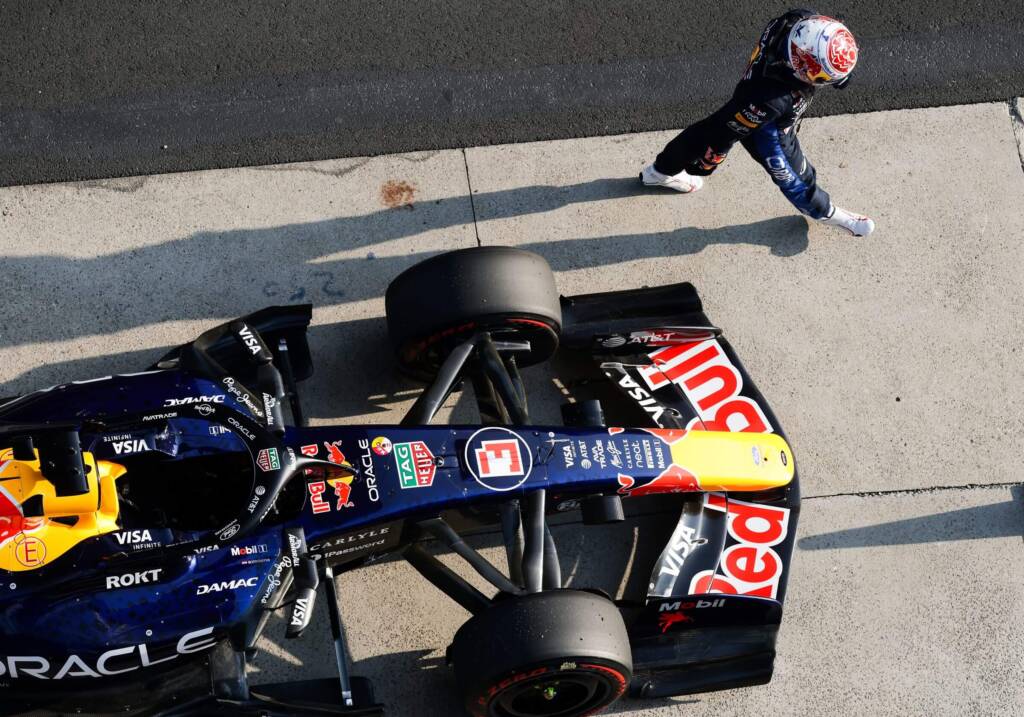
Red Bull’s situation is different but equally concerning. Their issue is not just reliability or execution, but a lack of underlying pace relative to Mercedes and Ferrari. Max Verstappen’s position outside the leading fight reflects a package that has not yet adapted to the new regulations. Suzuka will either expose that further or offer a clearer baseline if the car responds better to a high-speed layout.
The Japanese GP remains the ultimate reference point
The Japanese GP is not iconic because of history alone. It remains one of the most relevant circuits on the calendar because of how completely it tests both car and driver. At 5.807 kilometres with 18 corners, Suzuka demands precision, commitment and consistency across an entire lap.
The opening Esses immediately highlight balance issues, while corners like Degner and 130R reward drivers who trust the car at high speed. Originally built in 1962 as a Honda test track, its unique crossover layout and flowing nature make it one of the few circuits where performance cannot be isolated into single strengths.
That is why the Japanese GP often reshapes narratives. It does not just confirm which car is fastest. It reveals which combination of car, driver and execution is most complete.
What the Japanese GP will tell us about the 2026 season
The headline remains Mercedes, but the focus shifts from performance to structure. Russell versus Antonelli is no longer a long-term storyline. It is already active, and Suzuka offers the kind of circuit where small differences in execution can become decisive.
Ferrari’s objective is clearer. They need to translate early-race competitiveness into sustained performance across a full stint. If they can, they remain within reach. If not, the gap to Mercedes risks becoming structural rather than situational.
Behind them, the Japanese GP is about recovery. McLaren need a clean weekend to stabilise their season, while Red Bull need to find performance rather than just solve isolated issues. Both arrive at Suzuka needing clarity more than momentum.
Suzuka will confirm more than it decides
The Japanese GP rarely defines a championship this early in the season, but it often confirms the direction it is heading. After Australia and China, the hierarchy is visible, but not yet fixed.
Mercedes lead, Ferrari chase, and the rest are adapting. Suzuka will show whether that structure is stable or still shifting. And at this stage of the season, that distinction might matter more than the result itself.