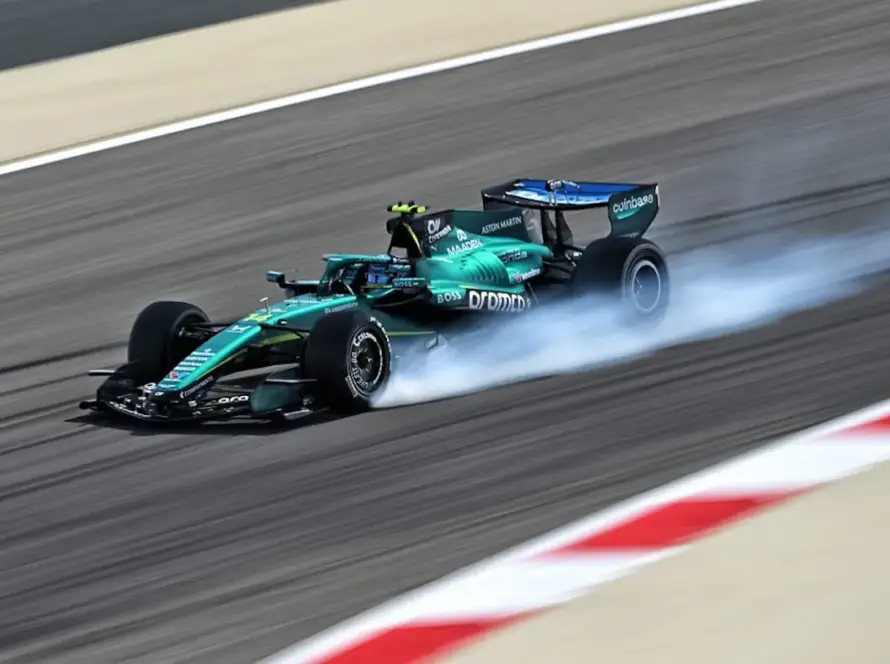
The idea of F1 teams as luxury brands is no longer a niche marketing experiment. As Formula 1 explodes in global popularity, teams are thinking far beyond race results and sponsorships. They are building prestige identities, crafting premium experiences, and competing for cultural influence in ways that would have felt unthinkable a decade ago. And at the centre of this shift stands Ferrari, the benchmark every team is trying to study, but none can fully replicate.
Ferrari: the original luxury benchmark
No team blends sport and luxury as seamlessly as Ferrari. It has the victories, the mythology, and the Italian heritage that fans around the world instinctively associate with prestige. Beyond its racing success, Ferrari has spent decades perfecting a strategy built on scarcity, exclusivity, and emotional storytelling. Limited-edition cars create desire, curated buyer lists build mystique, and a vast world of branded products extends the Ferrari identity far beyond the racetrack.
Its commercial pull is so strong that Ferrari’s brand value alone eclipses the entire annual budget of several teams. For many fans, Ferrari is not just a team they support, but an aspirational symbol of success, passion, and status.
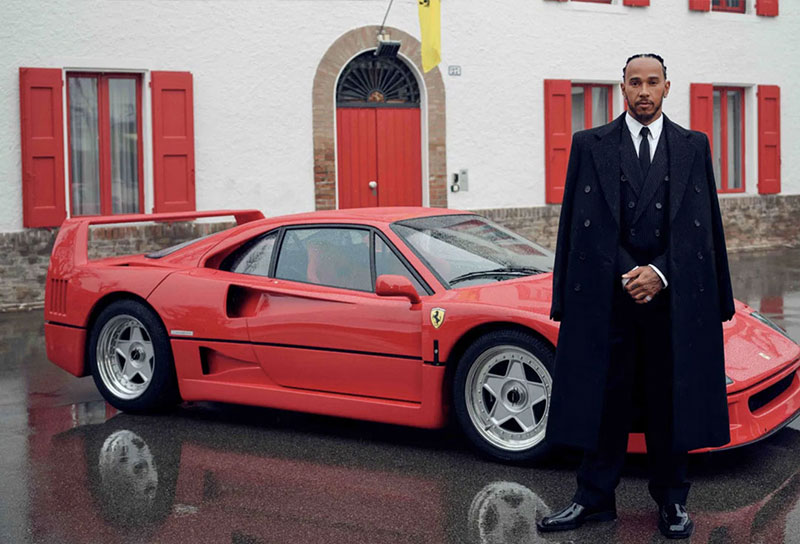
Why F1 teams are suddenly acting like luxury brands
Formula 1 has entered a cultural boom, and this shift has changed how teams think about what they are selling. The Netflix era turned drivers into global celebrities and teams into character-driven storylines, which encouraged fans to form emotional connections with team identities rather than just results.
The paddock has also become a magnet for fashion labels, musicians, designers, and influencers, which has pushed teams to present themselves with a style consciousness unthinkable a decade ago. At the same time, team valuations continue to climb, and executives want new, stable revenue streams that go beyond sponsorship deals. Luxury positioning, whether through premium experiences, exclusive merch, or high-end collaborations, offers a way to tap into this expanding audience with products that feel aspirational.
In other words, teams are no longer simply competing on-track. They are competing for cultural relevance.
How teams are building their own version of luxury
Each team approaches the idea of luxury differently.
- Mercedes leans into the reputation of its road car division, pairing a clean and minimal aesthetic with high-profile fashion and watch partnerships. Its brand revolves around the idea of precision engineering and modern sophistication.
- McLaren takes a different path embracing youth culture, limited-edition streetwear, and high-energy digital storytelling. Its luxury comes from desirability, speed, and cultural momentum rather than heritage.
- Aston Martin draws on traditional British elegance and cinematic cool, often shaped by its long association with James Bond. Premium hospitality, dark-green refinement, and understated visuals project classic prestige.
- Red Bull stands apart entirely, pursuing cultural relevance rather than exclusivity. Its identity is built on energy, youth, extreme sports, and creative disruption. It is not luxury in any traditional sense, but it has become a lifestyle brand with global influence.

Why no one can fully replicate Ferrari
Despite these ambitious efforts, Ferrari remains in a category of its own. Its decades of heritage create a level of emotional resonance that no team can artificially manufacture.
Ferrari’s road car business gives it a built-in luxury foundation that pulls fans and customers into a world of wealth, craftsmanship, and tradition. National pride, generational loyalty, and a near-mythical history of racing success all contribute to a brand identity that feels almost untouchable. Other teams can borrow ideas from Ferrari’s playbook, but they cannot recreate the deep cultural symbolism that makes the brand so powerful.
Ferrari is not just a luxury brand. It is a cultural artefact.

The future of F1 luxury
The most interesting trend is that modern F1 luxury may not rely on cars or merchandise at all. Teams are shifting toward exclusive experiences that give fans access to the inner world of racing. VIP paddock lounges, private tours, premium hospitality, curated meet-and-greets, and members-only digital communities have become some of the sport’s most sought-after offerings. In this space, scarcity is not measured by limited-edition objects but by access. This redefines luxury for the entire grid, because a team does not need Ferrari’s automotive empire to create something premium. It only needs a compelling identity and access that feels rare.
Who can truly become the next luxury brand?
Ferrari will almost certainly remain the sport’s only full-scale luxury icon, but several teams are carving out their own interpretations of what prestige means in modern Formula 1. Mercedes embodies engineering excellence, McLaren channels youthful desirability, Aston Martin leans into traditional British sophistication, and Red Bull continues to dominate the lifestyle and cultural arena.
The race for luxury is now as competitive as the battle for points. As teams build identities, stories, and experiences that fans want to be part of, the concept of luxury in Formula 1 is expanding far beyond the podium. Ferrari may have begun the journey, but the rest of the paddock is determined to catch up in its own way.