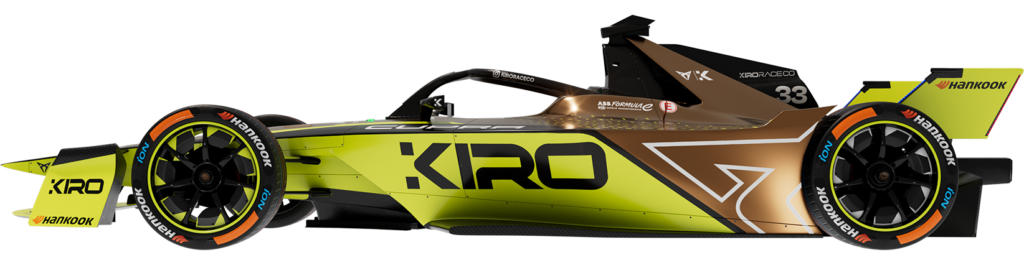
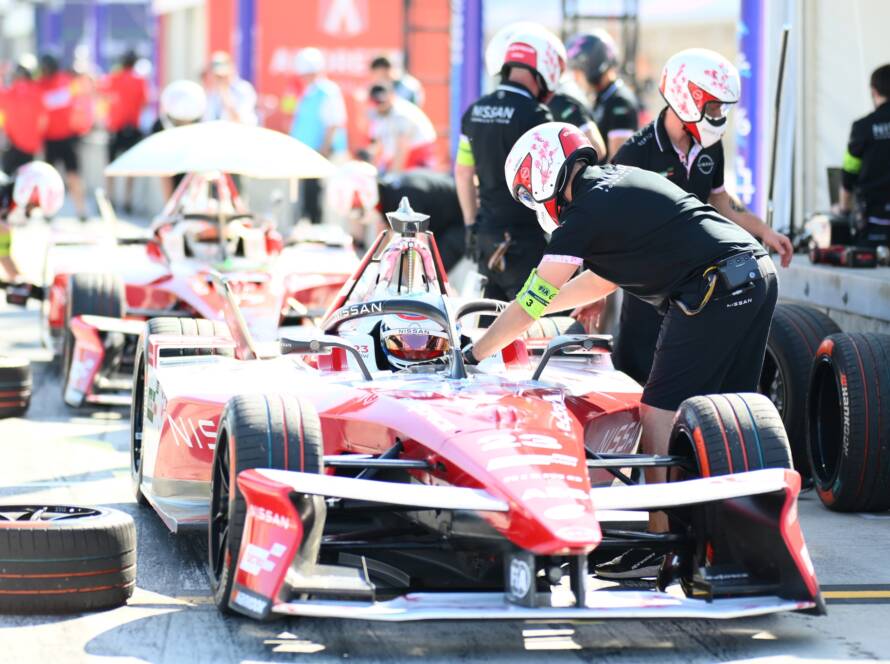
The Formula E FP2 session in Jeddah took place in the early afternoon on Friday, under conditions radically different from those seen during Thursday night’s opening practice. With track temperatures close to 55°C, the session pushed cars, tyres and drivers to the limit and played a key role in shaping the weekend, providing teams with valuable strategic data on tyre behaviour, thermal management and overall car response outside the ideal operating window.
While FP1 offered a clear reference for performance in conditions closely aligned with the race, FP2 added an essential second layer of understanding. It allowed teams to explore limits, identify sensitivities and refine their approach in a championship where adaptability and efficiency are decisive.
FP2 results put Ticktum on top in a high-demand session
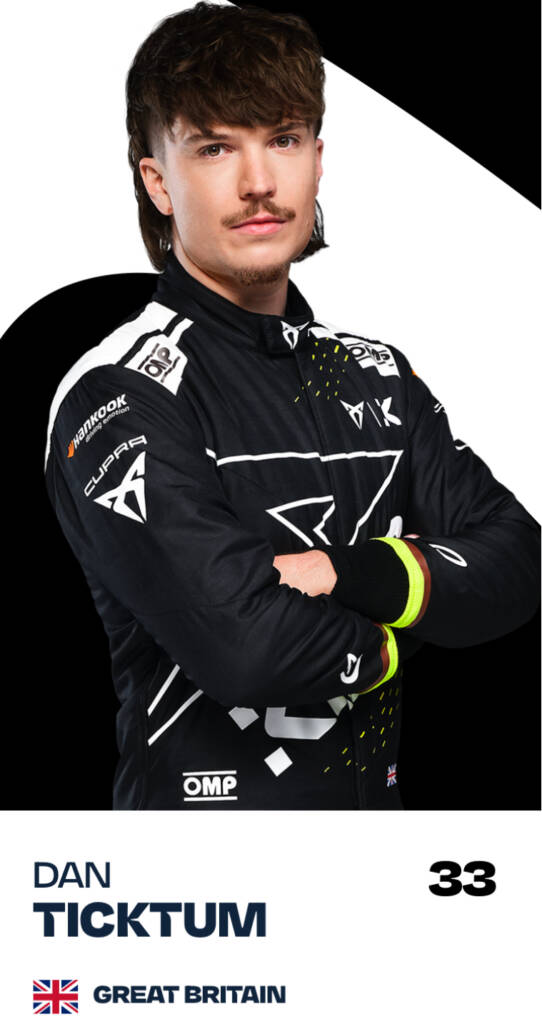
The fastest lap of FP2 was set by Dan Ticktum, driving for CUPRA KIRO, with a time of 1:15.343. The British driver delivered a well-balanced lap, particularly strong in the final sector, where he managed to maintain traction and precision despite tyres operating at elevated temperatures.
Close behind, Jake Dennis confirmed Andretti’s solid form by finishing near the top once again, while Pascal Wehrleinreinforced Porsche’s consistency by appearing among the leading group in both sessions.
Sector analysis helps explain the order seen in FP2. Wehrlein posted the best time in the first sector, highlighting strong initial efficiency even with limited grip. The second sector was led by Dennis, reflecting Andretti’s balance through the more flowing part of the circuit. The third sector proved decisive for Ticktum, where the CUPRA KIRO driver secured the margin that placed him P1 overall.
Traffic, incidents and end-of-session work
Traffic became a defining factor in the closing minutes. Lucas di Grassi blocked the racing line just as Taylor Barnardwas starting a fast lap, one that had the potential to challenge for the top time. The incident halted one of the final competitive attempts and underlined how difficult it was to find clean air in such demanding conditions.
Before the chequered flag, several drivers also completed practice starts, showing that teams were already shifting focus from outright lap time to race execution and operational detail.
Comparing FP1 and FP2 shows complementary sessions

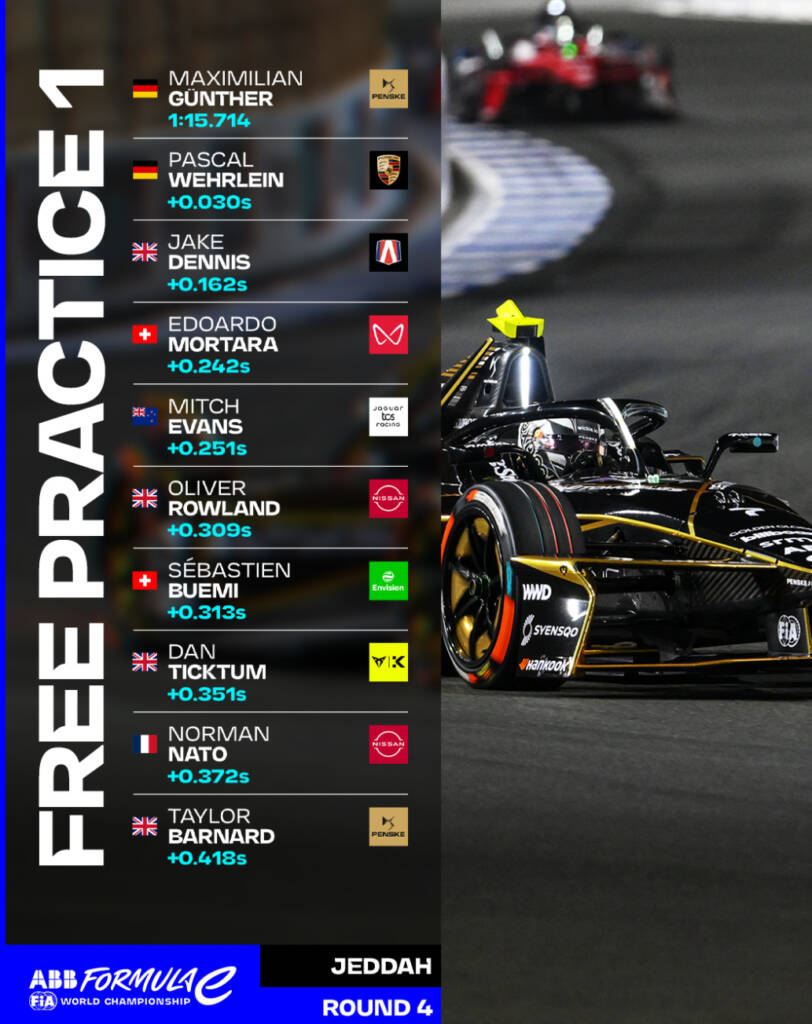
Looking at FP1 and FP2 together provides a clearer picture of the competitive landscape. FP1, run on Thursday night at the same time as the race, took place under cooler and more stable conditions. That was when Maximilian Güntheremerged as the benchmark, leading an extremely compact field and delivering data highly representative of race pace.
In FP2, Günther finished only seventh. Rather than signalling a loss of competitiveness, the result points to a car set up to extract maximum performance when tyres are operating in their optimal window. By contrast, Ticktum, who was eighth in FP1, found the hotter afternoon conditions more favourable to his package, adding another important reference point for his team’s understanding of the car.
Dennis and Wehrlein stand out as the most consistent names across both sessions. Regularly near the top, they underline the value of balanced and adaptable packages on a circuit like Jeddah.
The strategic value of FP2
Beyond the lap times, FP2 played a crucial strategic role. Teams gathered important data on degradation, tyre temperature, energy efficiency and car behaviour under thermal stress. These insights can prove decisive in specific race scenarios, such as restarts, Safety Car periods or unexpected shifts in track conditions.
In a series as detail-sensitive as Formula E, understanding these limits is a fundamental part of building a competitive weekend.
Next up is qualifying
After a break of around two hours, drivers will return to the track for qualifying, scheduled for 15:40 local time. The session will feature the group phase followed by the decisive duels that will set the starting grid.
In Jeddah, Friday has made one thing clear. There is no single reading of performance. FP1 delivers a direct reference for race conditions. FP2 broadens the technical and strategic perspective. Together, the two sessions form the foundation on which teams will base their decisions when every detail starts to matter.