Formula 1 is often described as the pinnacle of precision, yet it is a sport shaped by uncertainty. From tyre degradation and strategy calls to sudden weather changes, every race demands performance under uncertainty from the moment the lights go out. Drivers start without knowing how conditions will evolve or which decisions will matter most.
Decisions still have to be made at full speed, with incomplete information and real consequences. That constant demand to perform under uncertainty is what makes Formula 1 such a powerful mirror for how people operate beyond racing. At its core, Formula 1 is a live experiment in performance under uncertainty.
Acting when the picture is incomplete
In Formula 1, no one waits for perfect information. Engineers work with simulations that can only approximate reality, strategists rely on probabilities rather than guarantees, and drivers must commit to decisions corner by corner. Hesitation is costly, especially when performance under uncertainty is the baseline expectation.
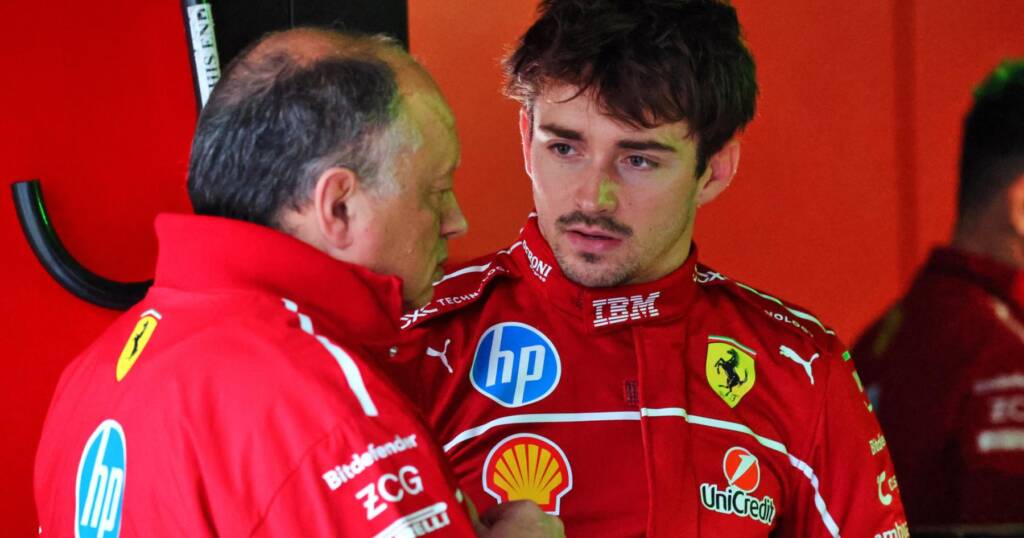
The sport rewards those who are willing to act, even when the outcome is unclear, and adjust later if necessary.
This approach resonates far beyond racing. In careers, relationships and major life decisions, clarity often arrives only after action has been taken. Formula 1 shows that progress rarely comes from waiting for certainty. It comes from choosing a direction based on the best available understanding and refining it over time.
Preparation as a way to stay calm, not in control
Formula 1 teams prepare obsessively, but not because they believe preparation will remove uncertainty; it is preparation that stabilises performance under uncertainty when plans fail.
Race engineers rehearse countless scenarios, knowing most will never occur. When the unexpected happens, preparation provides familiarity, not prediction.
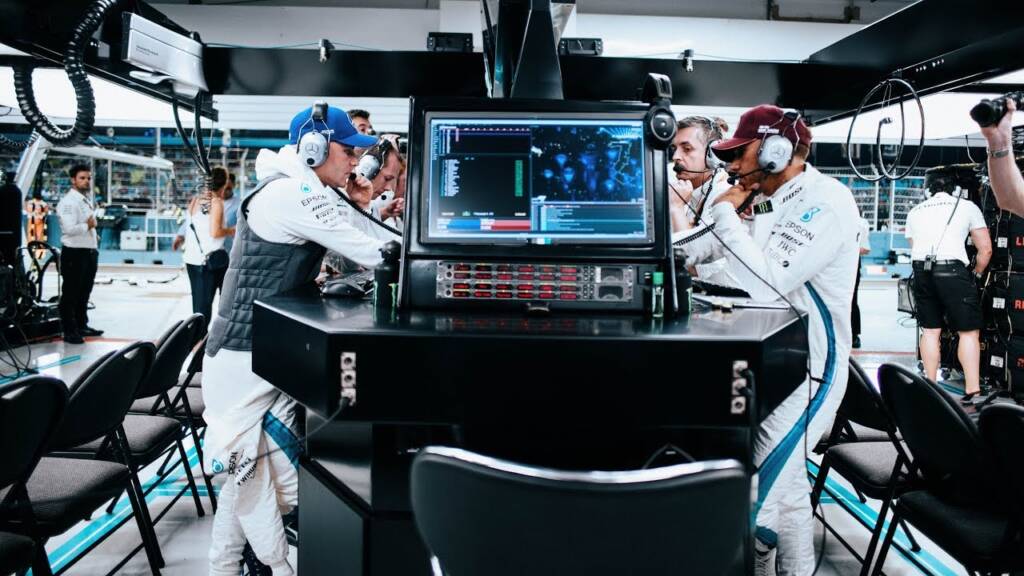
In real life, preparation serves the same role. Planning does not guarantee success, but it reduces emotional volatility. Formula 1 demonstrates that preparation supports performance under uncertainty by allowing people to respond rather than react.
Adaptation as a core performance skill
Some of the most decisive moments in Formula 1 arrive when a plan fails. A tyre strategy that looked strong can unravel within laps. Weather, safety cars or traffic can instantly change priorities.
Teams that succeed recognise this quickly and move on without emotional attachment to the original plan. In environments defined by performance under uncertainty, flexibility is not weakness, it is survival.
This mirrors professional and personal life closely. Many struggle not because plans fail, but because they resist changing them. Formula 1 rewards adaptability and reframes it as a strength rather than indecision.
Emotional regulation under pressure
Formula 1 drivers operate under constant scrutiny and physical stress. They must process information rapidly while regulating frustration, disappointment and pressure. Often, the difference between a clean race and a costly mistake is mental, not technical.
Outside sport, emotional regulation plays the same role. Performance under uncertainty depends on recognising emotion without letting it dictate behaviour. Formula 1 shows that composure is not emotional absence, but emotional control.
Redefining what progress looks like
Not every race produces visible success. Teams often leave a weekend without points but with valuable learning. Improved communication, cleaner execution or deeper understanding can all represent progress.
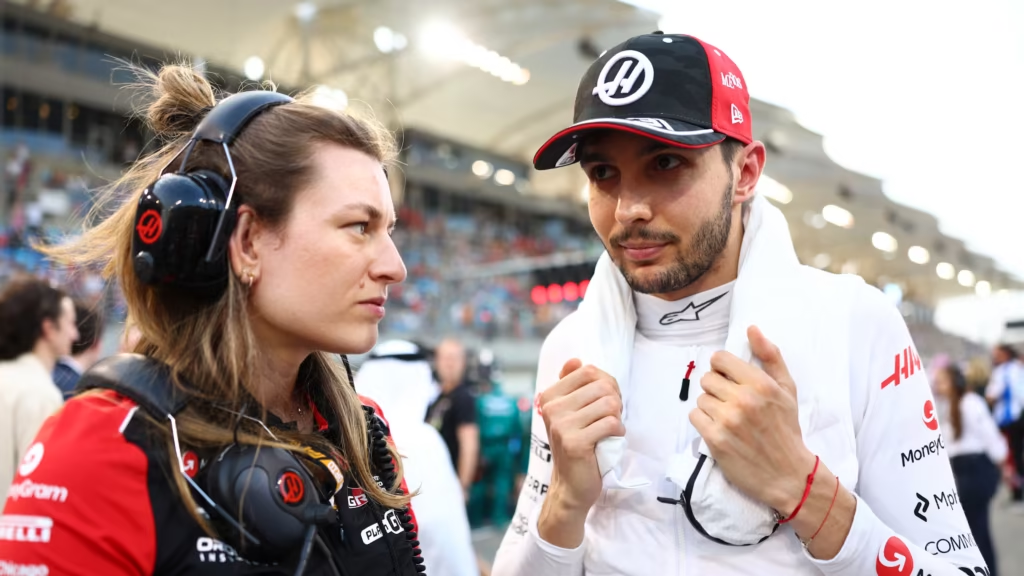
In life, performance under uncertainty is also misjudged by short-term outcomes. Skills develop quietly, confidence grows incrementally and setbacks often carry more value than immediate wins. Formula 1 reminds us to measure progress by decision quality, not just results.
Uncertainty as a constant, not a flaw
Formula 1 does not aim to eliminate uncertainty. It accepts it as part of the challenge. The sport rewards those who prepare thoroughly, act decisively, adapt quickly and regulate emotions under pressure. These qualities matter precisely because the future cannot be predicted.
Seen through this lens, Formula 1 offers a compelling lesson for life beyond racing. Uncertainty is not something to be solved. It is something to be navigated. Performance emerges not from certainty, but from readiness.