In the NBA or NFL, superstars are impossible to ignore. Their faces dominate billboards, their opinions trend on social media and their rivalries drive entire seasons. In Formula 1, even the most successful drivers can sometimes feel secondary to the machinery beneath them. The difference is not a lack of charisma. It is structural. American sports are built to amplify personality. Formula 1 is built around something else.
Franchise stability vs constructor identity
American sports leagues operate through stable franchises. Teams rarely disappear, relocate infrequently and build identity over decades within a closed system. This stability allows leagues to invest in long-term player narratives. A star can define a franchise era, and fans grow alongside that story.

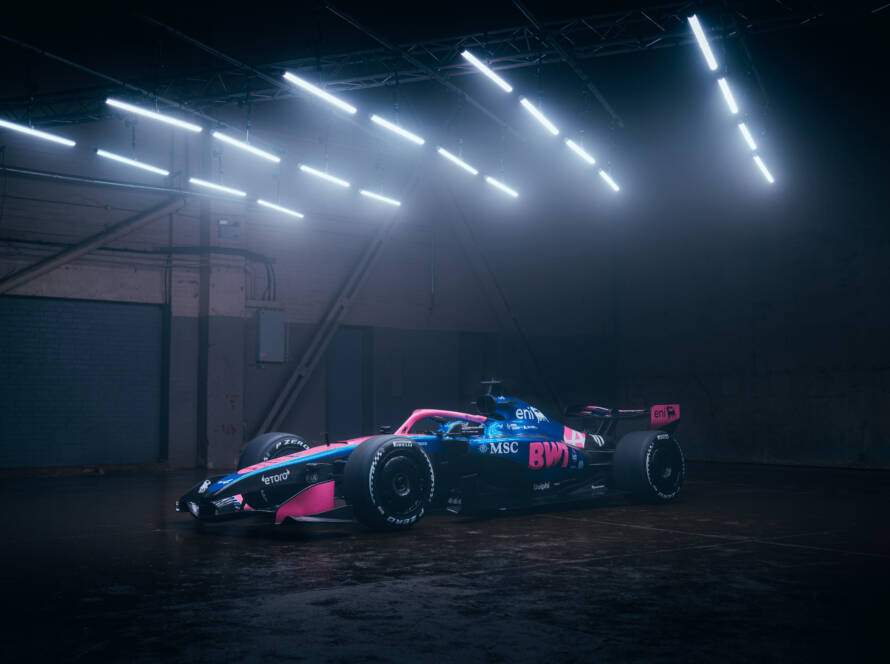
Formula 1 teams, by contrast, are constructors within a constantly shifting ecosystem. Ownership changes, title sponsors rotate and branding evolves. While names such as Ferrari and McLaren carry deep history, others have transformed significantly over time. This fluidity makes it harder to anchor personality to institution. The driver often feels temporary, the car permanent.
Media access and cultural openness
In American sports, media access is embedded into the culture. Post-game locker room interviews, weekly press conferences and mic’d-up segments are routine. Athletes are encouraged, and sometimes expected, to express opinions and emotions publicly. Personality becomes part of the product.
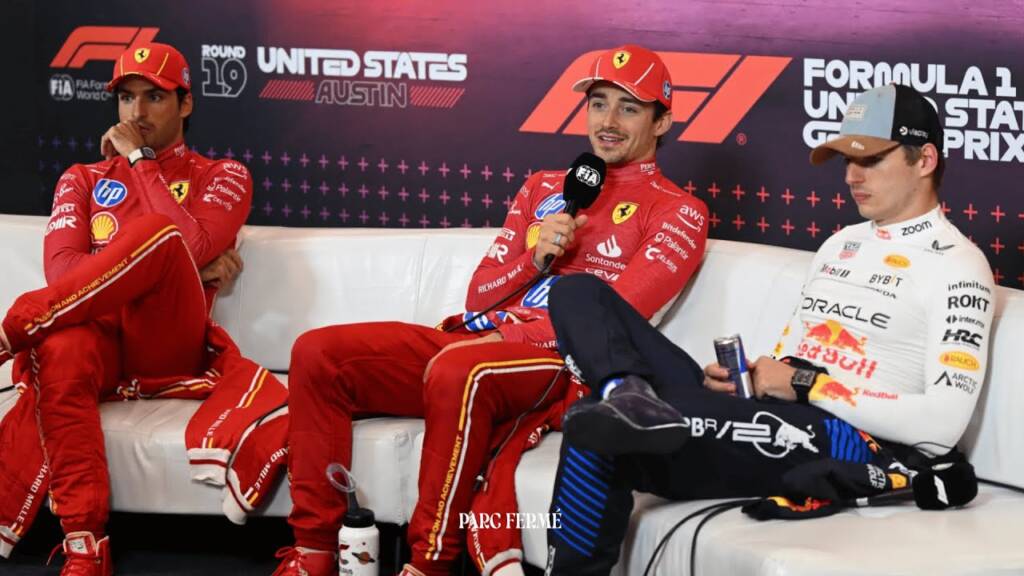
Formula 1 remains more controlled. Media interactions are structured, time-limited and often filtered through team communications departments. Drivers represent global brands, not just themselves. Caution replaces spontaneity. While this protects commercial interests, it can also dilute authenticity. Personality is present, but it is tightly managed.
Centralised storytelling and star creation
Leagues such as the NBA actively market their athletes as individuals. The league office works in tandem with broadcasters and sponsors to promote rivalries and personal milestones. Marketing campaigns in American sports frequently centre on a player rather than a team. The narrative is clear and intentional.
Formula 1 operates within a more fragmented structure. The FIA governs regulations, Formula One Management handles commercial rights and individual teams manage their own messaging. While the sport promotes drivers globally, the storytelling is less unified. Rivalries emerge organically rather than through coordinated amplification.
This structural difference affects visibility. In American sports, the league ensures that the star remains the focal point. In Formula 1, performance and team identity often take precedence.
The machine factor
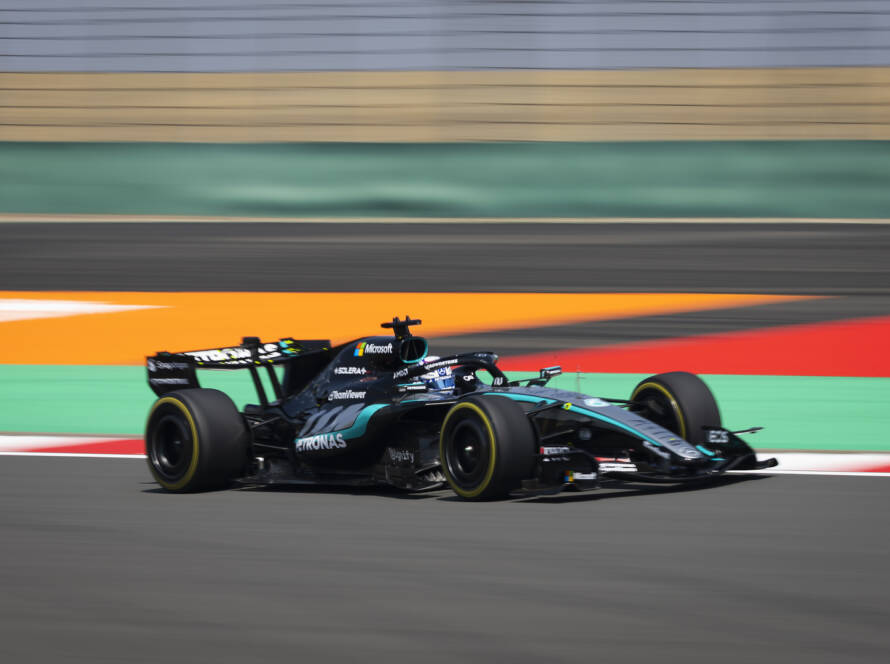
There is also a visual reality that shapes perception. In basketball or American football, the athlete is fully visible. The human effort is clear and direct. In Formula 1, the driver is enclosed within a complex machine. The car dominates the frame.
This dynamic can obscure individual identity. Casual fans may attribute success to the car rather than the driver. The narrative becomes technical rather than personal. While seasoned supporters understand the nuance, broader audiences gravitate towards faces, not engineering.
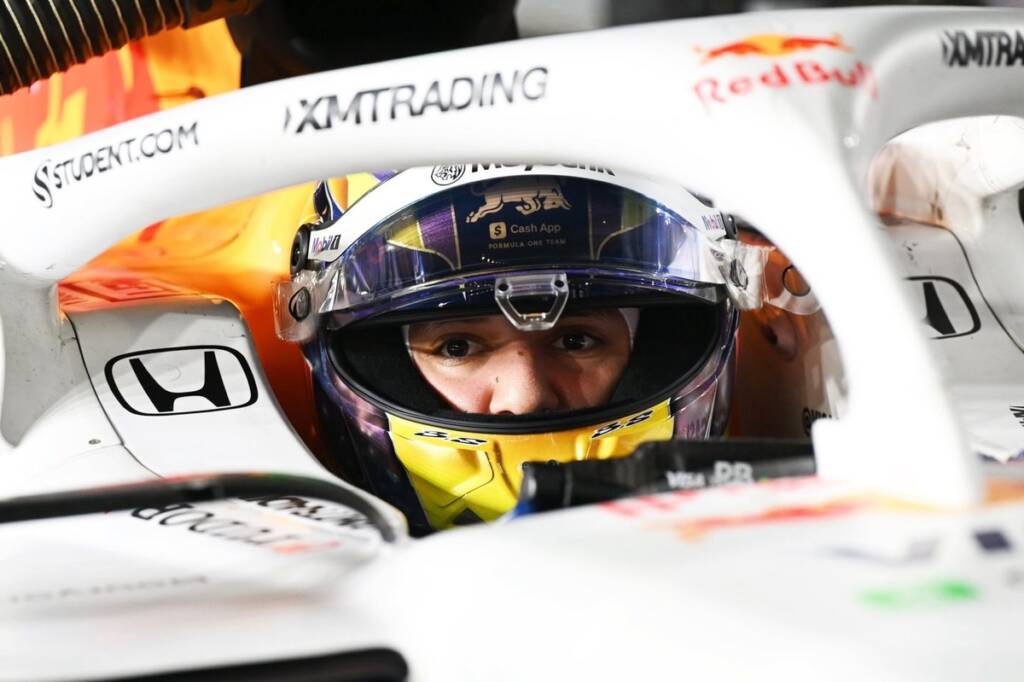
The challenge for Formula 1 is not a lack of compelling characters. It is that the sport’s technological emphasis can overshadow them.
Cultural attitudes towards self-promotion
American sports culture often celebrates self-confidence and individual branding. Athletes build personal empires alongside their professional careers. Endorsements, social media presence and outspoken interviews are part of the ecosystem.
European motorsport culture has traditionally valued understatement and collective achievement. Drivers speak carefully, mindful of team hierarchy and sponsor relationships. Self-promotion exists, but it is less overt. The result is a different tone. Personality may be strong, but it is less aggressively marketed.
As Formula 1 expands into the United States and other new markets, these cultural contrasts become more visible. The sport sits at a crossroads between tradition and modern entertainment.
Can Formula 1 close the gap?
The success of documentary storytelling and expanded digital content suggests that Formula 1 is evolving. Behind-the-scenes access has revealed personalities once hidden from public view. Fans now connect more easily with drivers’ journeys, frustrations and ambitions.
However, structural realities remain. Formula 1 is fundamentally a constructor championship driven by engineering excellence. Its identity is rooted in technology as much as talent. Any move towards personality-driven marketing must respect that balance.
American sports demonstrate the commercial power of star-focused narratives. Formula 1 demonstrates the appeal of technical purity and team achievement. The opportunity lies in blending these strengths rather than replacing one with the other.
Personality as competitive advantage
Personality is not a distraction from sport. It is a bridge between performance and audience. American leagues have refined the art of building that bridge over decades. Formula 1, with its global ambition and expanding fan base, faces a different challenge: amplifying its stars without diminishing its technical soul.
The drivers are ready. The question is whether the structure of the sport can evolve to let them shine as brightly as their counterparts on American courts and fields.