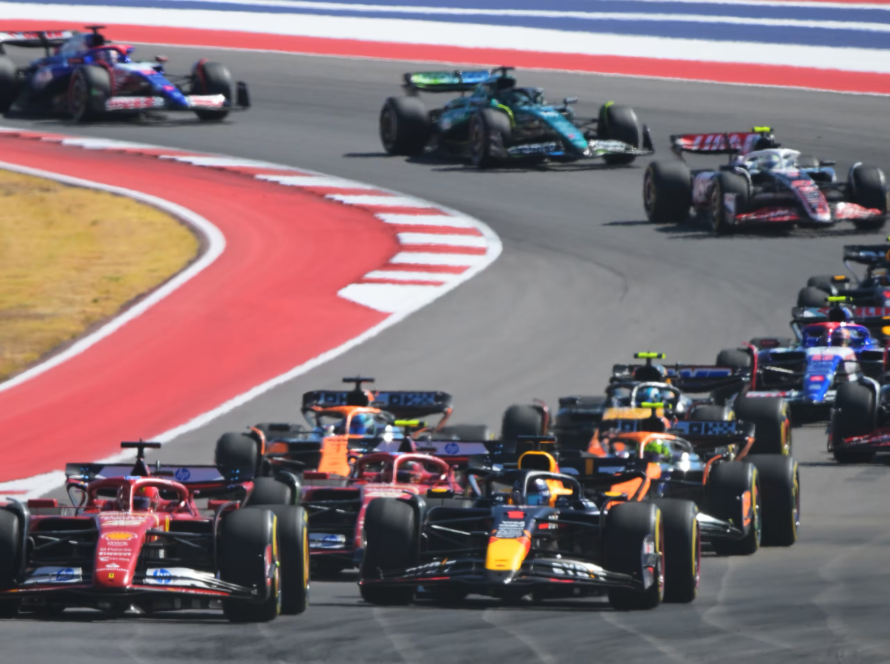
Formula 1, and motorsport as a whole, has evolved faster than the way we talk about it. Modern motorsport analysis struggles to keep pace with this shift. Technology has advanced, processes have become more sophisticated, and decision-making power has moved into increasingly complex structures. Yet much of the public debate has remained frozen in time. A truly modern motorsport analysis is still missing from the conversation.
We still analyse the sport as if it were 2005.
We talk about who is the best, who made a mistake, and who “cracked under pressure.” We turn races into moral judgements and drivers into isolated characters, disconnected from the systems that shape every decision they make. The issue is not discussing individuals; it is treating them as if they exist outside the structure. That no longer reflects reality.
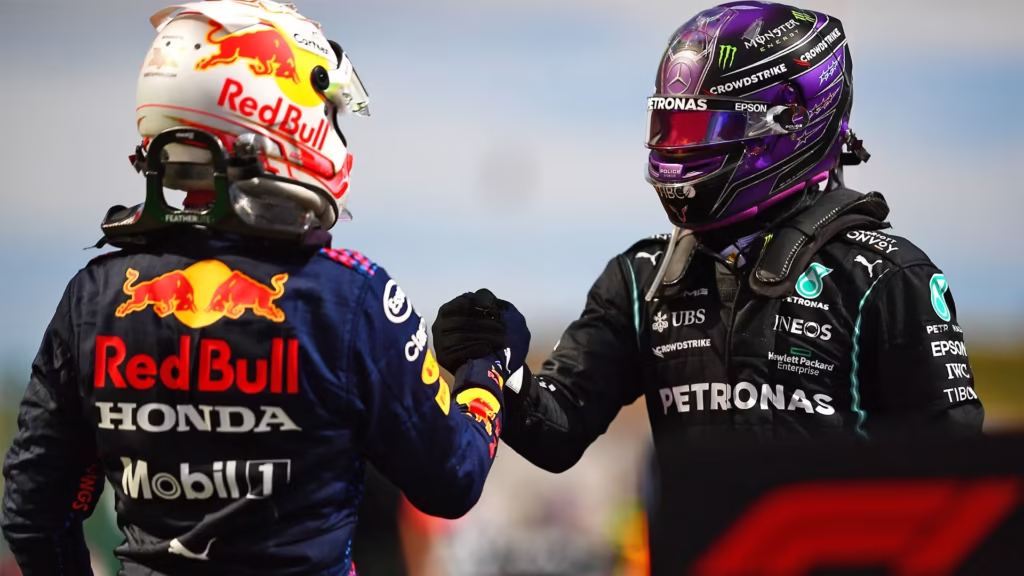
The obsession with “who is better”
Much of the coverage and fan discussion revolves around direct comparisons: driver A versus driver B, talent versus talent, bravery versus composure. This approach assumes performance is primarily the product of individual ability, when in reality it is the final output of an entire ecosystem.
Modern motorsport analysis seeks to widen that lens and show how performance emerges from collaboration, data interpretation, simulation models, and organisational execution.
In the World Endurance Championship (WEC), this becomes even clearer. Toyota’s dominance at Le Mans from 2018 to 2022 was not built around a single driver or a single moment of brilliance. Drivers rotated, but the result remained. Victory came from the ability to repeat correct decisions over 24 hours and to treat every variable as part of a larger system.
What almost never enters the conversation
We talk little about strategy because it is not visually dramatic. There is no thrilling onboard clip or viral radio message. Strategy is slow, cumulative, and often invisible. It involves organisational culture, defined hierarchies, simulation models, and risk management. These are central pillars of modern motorsport performance, yet they are rarely framed as the protagonists of the story.
Instead, they surface only when something goes wrong: a pit-stop error, a misjudged strategy call, a miscommunication. To move forward, motorsport analysis must highlight the people and processes that never appear on the broadcast, yet shape outcomes with surgical precision.
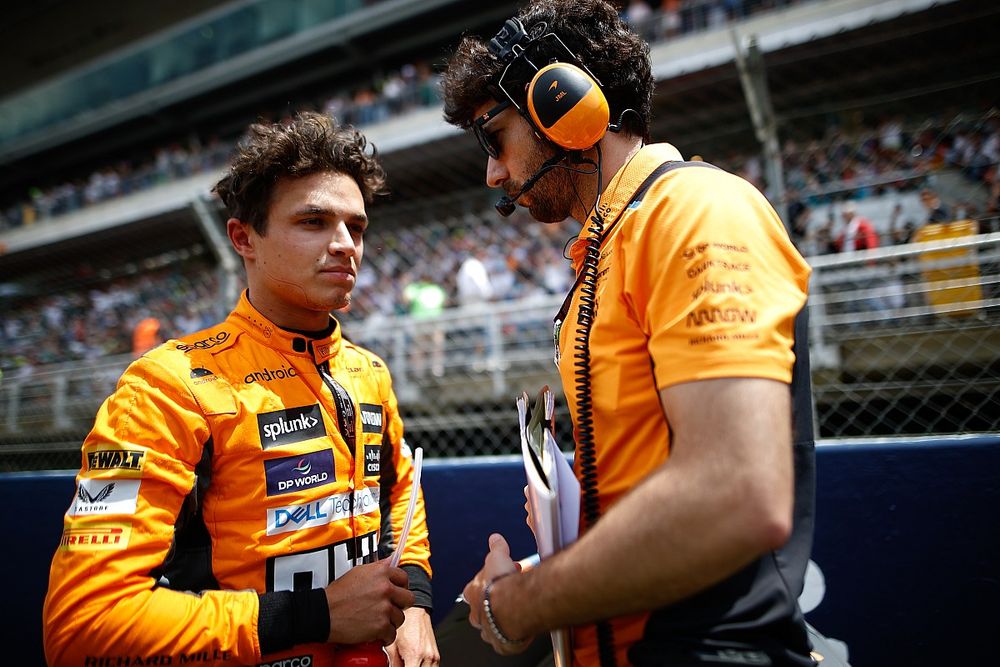
Fans consume narrative, not process
Part of the issue lies in how the sport is packaged. Formula 1 continues to present itself as a story of heroes, rivalries, and redemption arcs. It is a narrative model that works. It is accessible and emotionally engaging.
However, there is a trade-off. By centring individual drama, we overlook how the sport actually functions in 2026. Modern motorsport analysis challenges this framing by asking different questions: Who built the system? Who interprets the data? How are decisions structured under pressure?
These questions are less cinematic, but far more revealing.
The next cycle of sports media
Motorsport does not need to be simplified to remain compelling. It needs to be contextualised.
Outlets that remain stuck in the shallow debate of “who is better” will compete in an already saturated and highly repetitive space. Those willing to embrace modern motorsport analysis — discussing structure, strategy, and culture — will speak to an audience that wants depth rather than noise.
We are not watching the wrong sport.
We are analysing it with outdated tools.