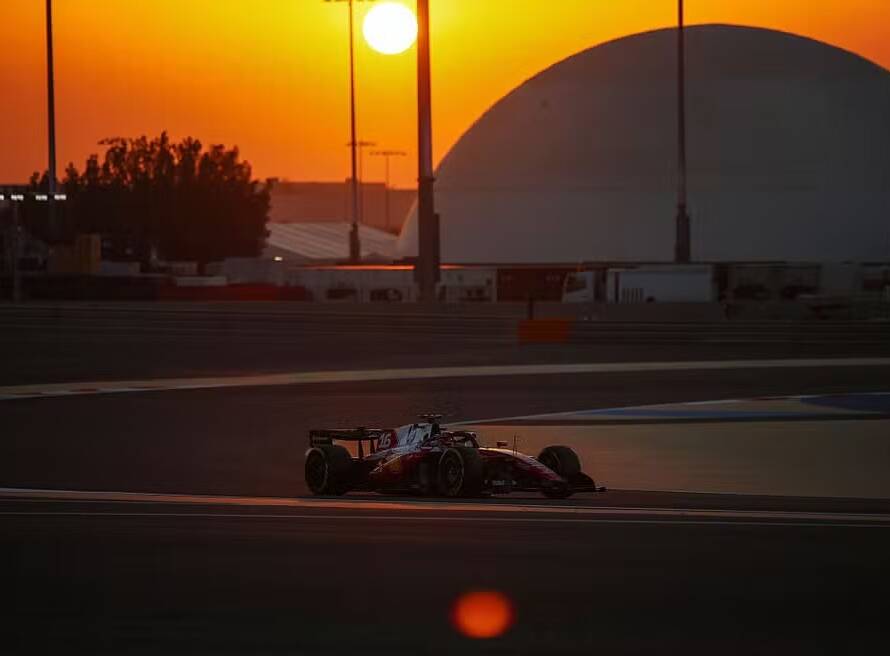
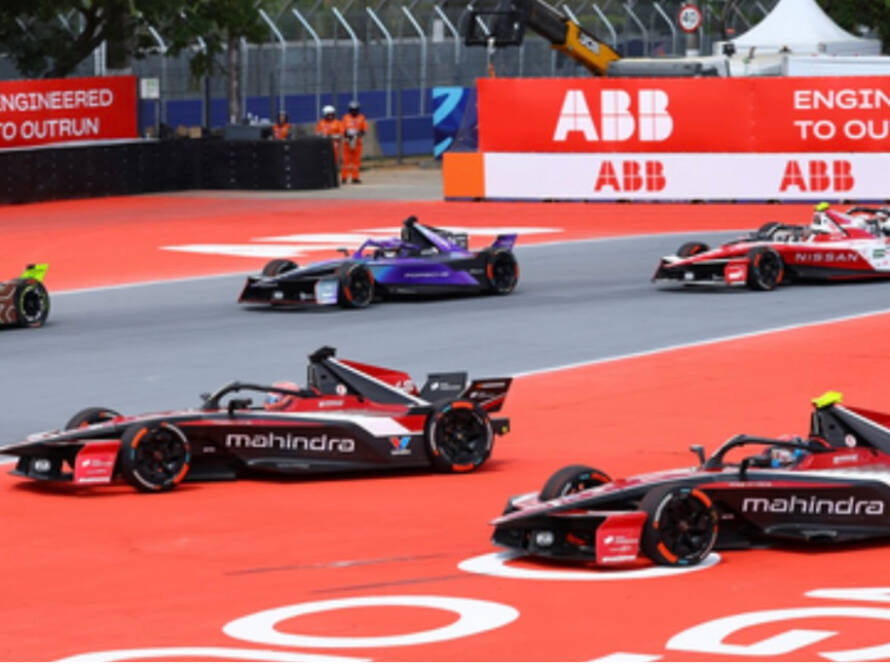
Formula 1 still delivers drama on track, but the future of Formula 1 is increasingly shaped far from the chequered flag. While fans focus on lap times and strategy calls, teams and governing bodies are shaping the sport’s long-term direction behind closed doors.
The races still matter, but the future of Formula 1 is now influenced by decisions made well away from the circuit.
The shift from immediate results to long-term planning
Modern Formula 1 operates on longer timelines than ever before. Regulation cycles stretch across several seasons, and decisions made today can define competitiveness for years.
With the 2026 reset approaching, teams are already prioritising future performance over short-term gains. Development resources, staffing and budgets are being redirected based on what is coming rather than what is happening this weekend.
As a result, some seasons feel transitional, not because teams lack ambition, but because they are investing in the future of Formula 1.
Who really shapes the direction of the sport
The future of Formula 1 is shaped by a relatively small group of decision-makers. The FIA sets the regulatory framework, Formula One Management protects the commercial structure of the sport, and teams and manufacturers push for rules that suit their long-term interests.

New manufacturers and entrants have added further complexity, shifting the balance of influence. These discussions determine everything from engine concepts to cost structures, often long before fans see the effects on track.
When technical rules become political decisions
Technical regulations are no longer purely about performance. Sustainability targets, cost caps and global branding now sit alongside traditional racing considerations. Compromises are made to attract manufacturers, control spending and appeal to wider audiences.
As a result, engineering choices increasingly reflect commercial and political realities. The cars that race on Sundays are the visible outcome of negotiations that shape the future of Formula 1 as much as innovation.
How this changes the racing fans experience
When the focus shifts off track, it inevitably affects what happens on it. Teams managing long-term priorities may accept short-term inconsistency or limited development. This can make certain seasons feel uneven or predictable.
For fans, the challenge is understanding that not every race tells the full story. What looks like stagnation can actually be preparation. The true impact of today’s decisions may not be visible until the next regulation era begins.
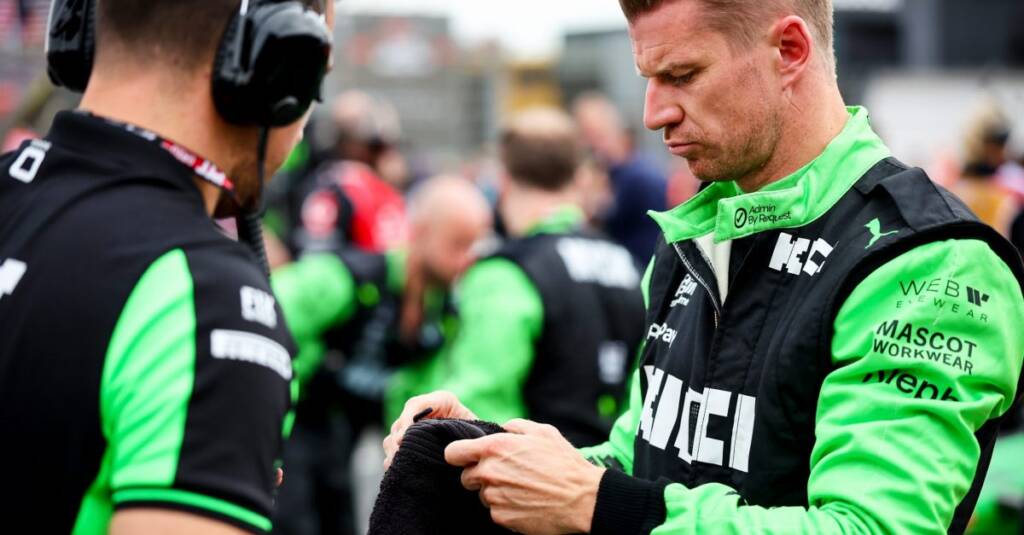
Why context matters more than ever in modern F1
Formula 1 has always been a sport of engineering and strategy, but context now plays a larger role than ever. To understand why teams behave the way they do, it is no longer enough to analyse race results alone.
The meetings, agreements and compromises happening away from the circuit provide essential insight into the future of Formula 1. The next era of the sport will still be decided by performance, but its foundations are increasingly laid in conference rooms rather than garages.