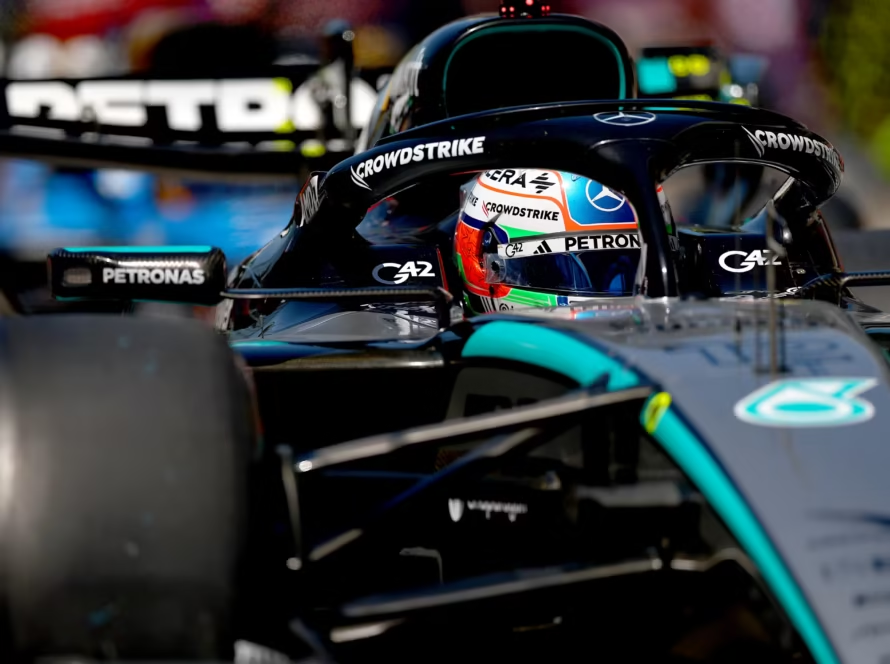
Formula 1 has always been a sport defined by innovation. From ground effect aerodynamics to hybrid power units, progress has often come from those willing to push boundaries, both technical and financial. But in recent years, a new constraint has reshaped the landscape: the cost cap. Designed to level the playing field, it raises a fundamental question. Can you limit spending without limiting creativity?
At its core, this is a tension between control and ingenuity, between regulation and the very spirit that has long defined Formula 1.
The cost cap explained
Introduced in 2021, the cost cap was Formula 1’s response to a growing problem. Teams at the top of the grid were spending hundreds of millions more than those at the bottom, creating a structural imbalance that few could overcome. The result was predictable dominance and a widening performance gap.
The cost cap sets a maximum limit on how much teams can spend on performance-related activities over a season. While certain areas such as driver salaries and marketing are excluded, the cap still fundamentally reshapes how teams operate.
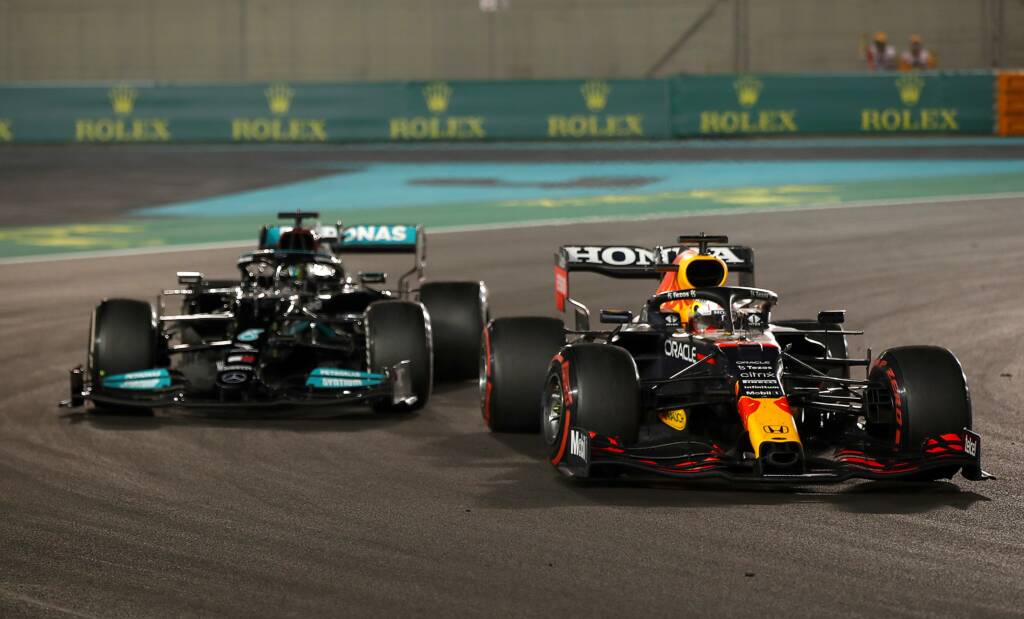
Its objectives are clear. First, to create a more competitive grid by reducing financial disparities. Second, to ensure long-term sustainability in a sport that had become increasingly expensive. Early signs suggest progress, with tighter racing and a more unpredictable midfield.
Yet, while financial equality may improve competition, it also introduces new constraints on how teams innovate.
Innovation under constraint
There is a long-standing idea in engineering and design that constraints do not kill creativity, they refine it. In Formula 1, the cost cap has forced teams to rethink how they innovate, shifting the focus from quantity to efficiency.
Instead of throwing resources at multiple design concepts, teams must now be more selective. Every upgrade carries a trade-off. Every experiment must justify its cost. This has led to a more deliberate, strategic approach to development.
Innovation has not disappeared. It has simply changed form. Engineers are finding new gains through smarter packaging, improved simulation, and incremental aerodynamic refinements. The emphasis is on doing more with less.
In many ways, this mirrors other high-performance industries, where limits on resources often drive more elegant and efficient solutions. Creativity, in this context, becomes less about excess and more about precision.
The risk of convergence
However, there is a counterargument. If every team is working within the same financial and regulatory boundaries, does that naturally lead to similar solutions?
One of the defining features of Formula 1 has been the diversity of technical approaches. Different philosophies, bold experiments, and occasional breakthroughs have shaped the sport’s identity. Under tighter constraints, the risk is that teams converge on similar designs, reducing variety.
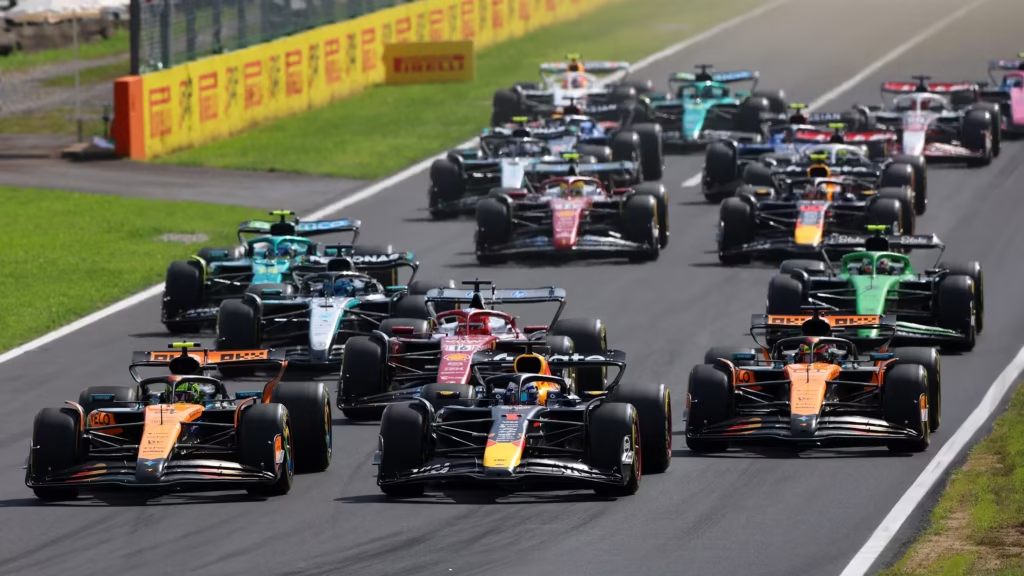
This is not just a technical concern, but a philosophical one. Formula 1 has always been as much about engineering freedom as it is about racing. If innovation becomes too incremental, does the sport lose part of its appeal?
There is also the question of risk. Radical ideas often require significant investment and carry a high chance of failure. Under a cost cap, teams may be less willing to take those risks, favouring safer, more predictable development paths.
The result could be a slower pace of breakthrough innovation, even if overall competition improves.
The new battleground
What the cost cap has undeniably done is shift where competition happens. If teams can no longer rely on financial muscle, they must compete through efficiency, organisation, and intellectual capital.
This has created a different kind of arms race. Success now depends on how well teams allocate resources, optimise processes, and extract value from every decision. Data analysis, simulation tools, and operational excellence have become as important as raw engineering power.
Teams are also becoming more adept at navigating the fine details of regulations. Innovation increasingly happens in the margins, in interpreting rules and identifying opportunities others have missed.
In this sense, creativity has not been reduced. It has been redirected. The challenge is no longer how much you can spend, but how intelligently you can operate within limits.
What regulation teaches us about innovation
The tension between regulation and creativity is not unique to Formula 1. It exists across industries, from technology to aerospace.
In highly regulated environments, companies are often forced to innovate within strict boundaries. Safety standards, environmental rules, and financial constraints all shape how progress occurs. Yet innovation continues, often in more focused and efficient ways.
Startups offer another parallel. With limited resources, they must prioritise, iterate quickly, and find creative solutions to complex problems. Constraints, rather than being a barrier, become a catalyst.
Formula 1 sits somewhere between these worlds. It is both a heavily regulated environment and a platform for cutting-edge development. The cost cap simply makes this balance more explicit.
Finding the balance
Ultimately, the cost cap is an attempt to solve a difficult equation. How do you maintain competitive balance without diluting the innovation that defines the sport?
So far, the answer appears to be nuanced. Racing has become closer, and more teams have the opportunity to compete meaningfully. At the same time, innovation has not disappeared, but it has become more subtle, more strategic, and perhaps less visible.
The long-term impact will depend on how regulations evolve. Too much restriction could limit the sport’s technical identity. Too little could return it to financial imbalance.
What remains clear is that creativity cannot simply be switched off. It adapts. It finds new pathways.
Formula 1 may now operate under stricter limits, but the instinct to innovate remains unchanged. The question is no longer whether creativity can be regulated, but how it responds when it is.