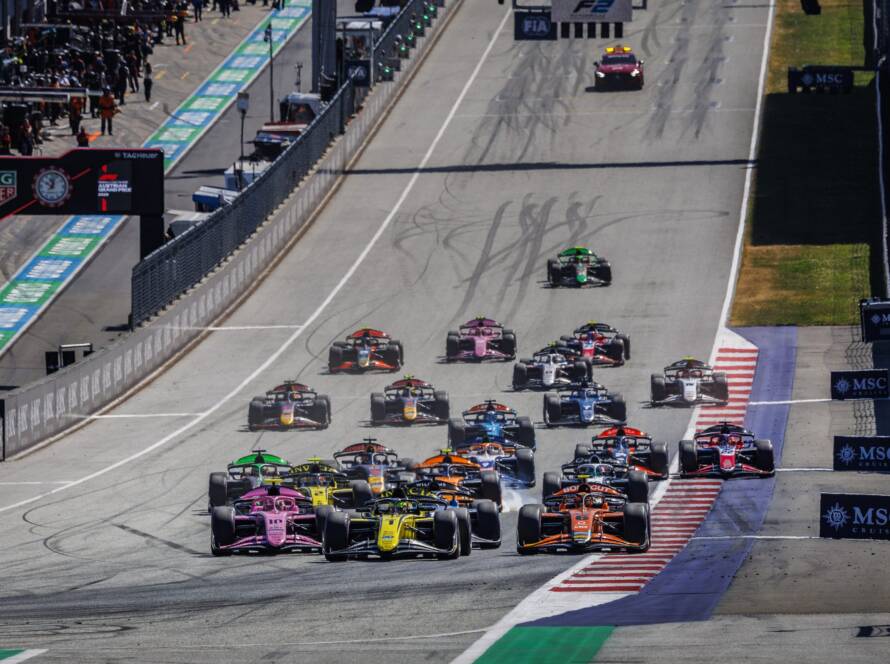
Within the different types of motorsport series, Formula 2 occupies a distinctive and significant position, making Formula 2 a unique series. Although it is commonly characterised as the final step before Formula 1, a description like this understates the complexity and individuality of the series.
Formula 2 represents a carefully structured competitive environment. The category is designed to evaluate and develop young talents under conditions that emphasise equality, adaptability, and performance under pressure.
The importance of equality
A central feature that makes Formula 2 a unique series and differentiates it from many other racing competitions is its status as a one-make championship. All teams utilise identical chassis and power units, thereby minimizing the influence of technological disparity. In contrast to Formula 1, where engineering innovation significantly influences the outcome.
Formula 2 places fundamental emphasis on driver capability. This structural equality enhances the competitive integrity of the series by ensuring that performances are valued by the individual skills, racecraft, and decision-making.
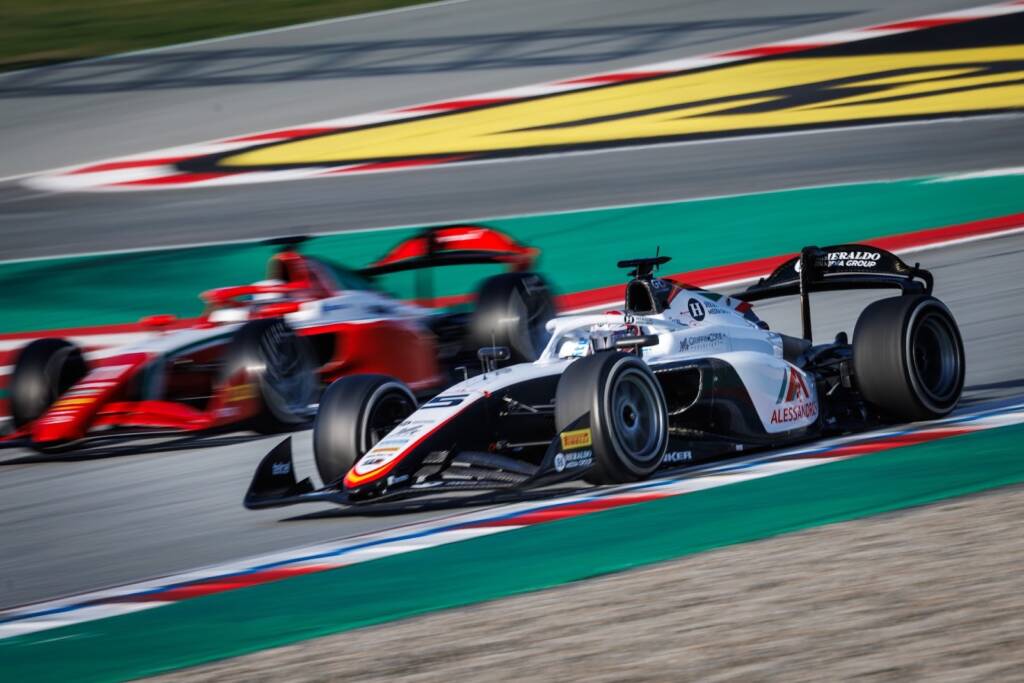
In addition to technical uniformity, the race format employed in Formula 2 contributes to its unique character. Each race weekend typically consists of both a sprint race and a feature race, incorporating a reverse grid for the first race of the weekend. With a format like this, drivers are capable to demonstrate versatility, managing differing race conditions and starting positions across the weekend.
The inherent competitive nature
Another characteristic that makes Formula 2 a unique series is its competitive nature, which produces a high degree of unpredictability. The combination of matched machinery and a grid populated by emerging talent results in closely contested races. Normally, the outcomes are influenced by race incidents, tyre management strategies, and tactical decision-making.
This variety also enhances spectator engagement and serves as a rigorous evaluative framework for driver development. Success in this context requires not only speed, but also situational awareness, resilience, and the capacity to respond effectively to dynamic race conditions.
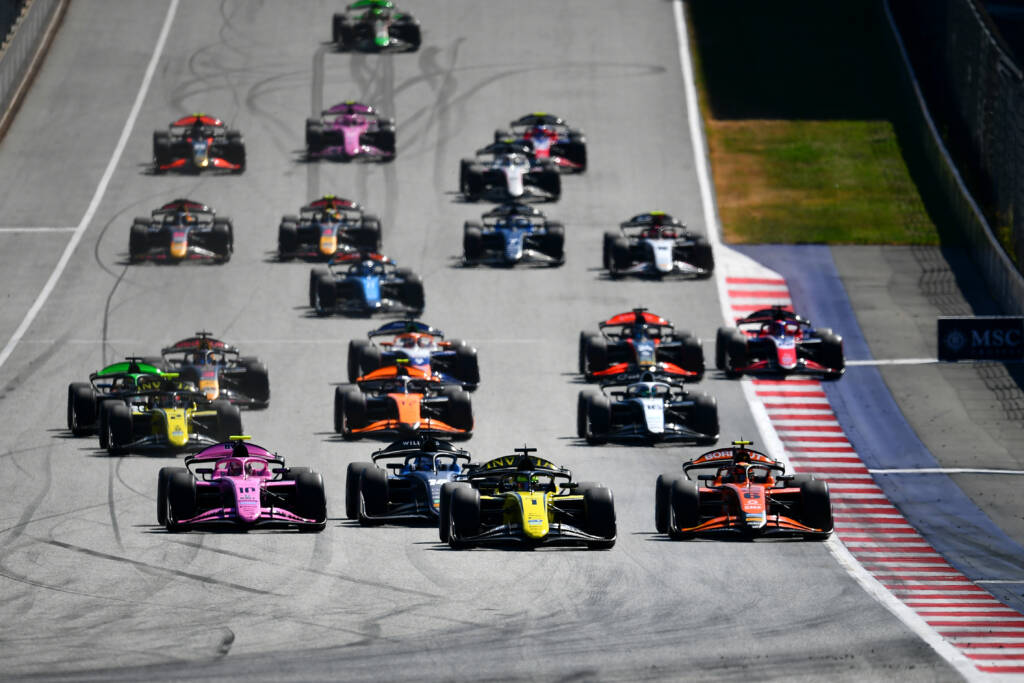
Alongside the competitive nature, the intensity of the aforementioned competition makes Formula 2 a unique series. Participants are faced with a kind of pressure that prepares them for their progression to Formula 1. Formula 2 represents a critical juncture in their professional careers. Consequently, each race carries significant implications beyond the immediate results. Drivers have to balance risk and consistency, and showcase competitiveness and composure under scrutiny.
Where does the uniqueness of Formula 2 lie?
What makes Formula 2 a unique series is its ability to combine technical equality, strategic complexity, and intense competitive pressure within a single championship framework. While it undeniably functions as a pathway to Formula 1, it also operates as a rigorous testing ground in its own right. By prioritising driver performance over technological advantage, Formula 2 offers a purer form of competition, making it a vital and distinctive component of contemporary motorsport.
Ultimately, Formula 2 should be understood as more than a developmental category. It is a championship that embodies opportunity and a more closely aligned performance. In doing so, it not only supports the progression of drivers but also enhances the overall integrity and sustainability of the motorsport ecosystem.