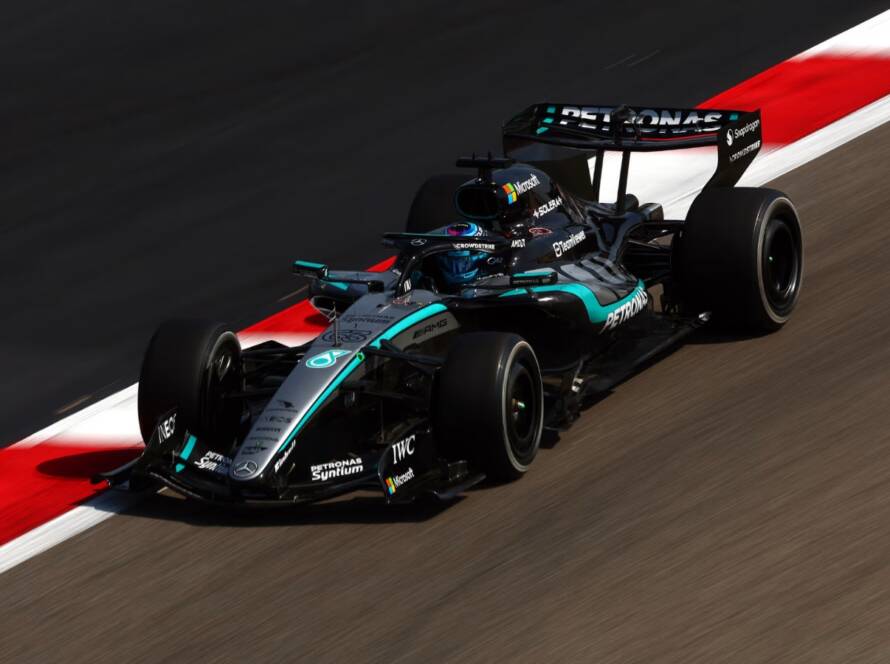
Two drivers, one team, one corner. Neither wants to yield, because yielding is not how they got there. In Formula 1, the margins between success and failure are measured in milliseconds, but the real challenge often lies beneath the surface. When every individual is elite, talent is no longer the differentiator. Managing talent in F1 becomes the real test.
This is the paradox of high-performance teams. The very traits that create excellence can also destabilise it.
Why elite talent comes with ego
At the highest level, ego is not a flaw. It is a prerequisite, and managing talent in F1 requires understanding this distinction. Elite performers rely on an unshakeable belief in their own ability, especially in environments where hesitation can be costly. In Formula 1, drivers must commit fully to decisions at extreme speeds, trusting their instincts even when the margin for error is almost zero.
This level of confidence is what enables performance under pressure. Without it, risk-taking becomes impossible and performance suffers. Ego, in this sense, is closely tied to resilience and ambition.
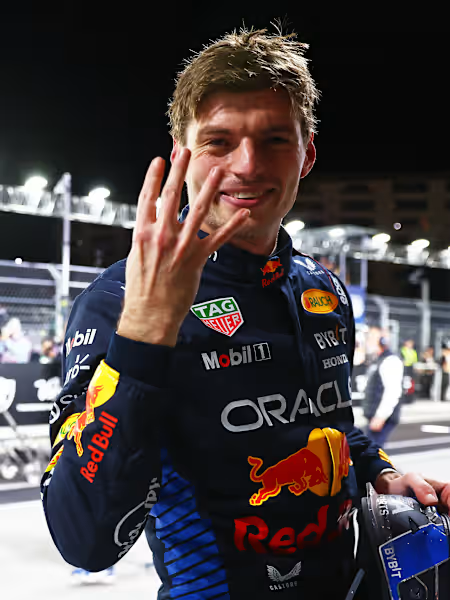
However, the same qualities can create friction. Strong personalities are less likely to defer, more likely to challenge decisions, and often resistant to compromise. In a team environment, this can lead to tension, particularly when multiple individuals see themselves as the focal point of success.
The challenge is not to remove ego, but to recognise its dual nature.
The team vs the individual
Formula 1 is often perceived as an individual sport, but it is fundamentally a team effort, which makes managing talent in F1 particularly complex. Hundreds of people contribute to the performance of a single car, and success is measured not just in race wins, but in constructors’ championships.
This creates an inherent tension. Drivers compete for individual glory, while teams prioritise collective success. The interests do not always align.
This conflict becomes most visible in moments of strategic decision-making. Team orders, pit stop timing, and resource allocation can all favour one driver over another. For individuals conditioned to win, these decisions can feel personal, even when they are strategically justified.
The result is a constant balancing act. Teams must align individual ambition with collective goals without diminishing either.
Leadership under pressure
At the centre of this dynamic sits the team principal, and managing talent in F1 at this level requires a unique blend of leadership, strategy and emotional intelligence. Leading an elite team is not just about technical expertise. It requires the ability to manage strong personalities in high-pressure situations.
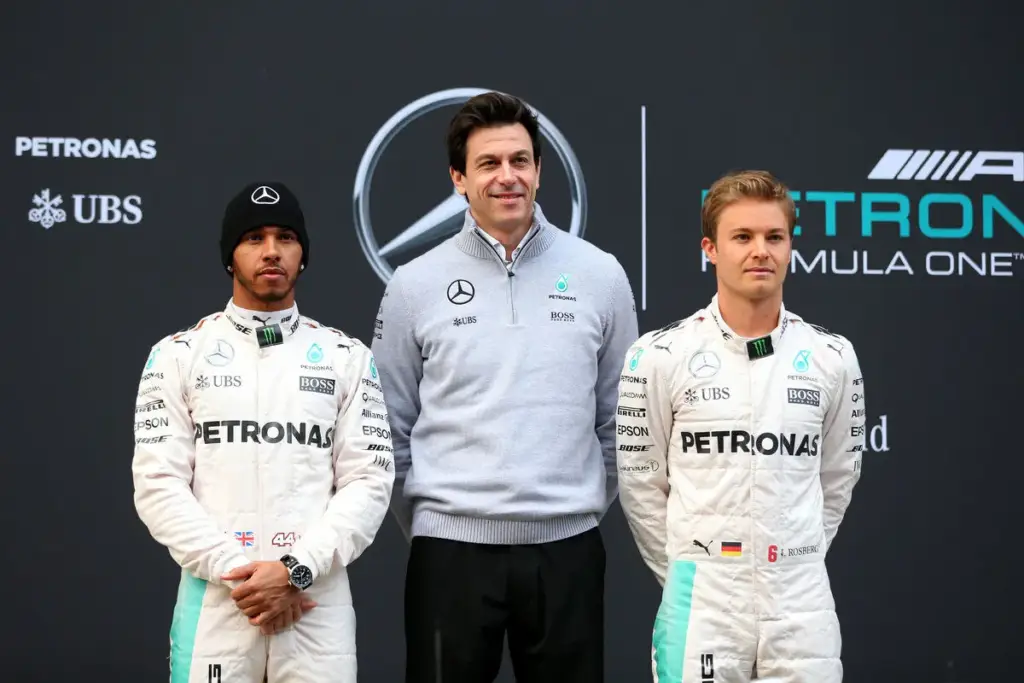
One of the key challenges is maintaining trust. Decisions must be consistent and transparent, even when they are unpopular. Favouritism, or the perception of it, can quickly erode team cohesion.
Leaders must also strike a balance between control and autonomy. Too much control can suppress performance, while too little can lead to chaos. The most effective leaders create an environment where individuals feel empowered, but within clearly defined boundaries.
Credibility is essential. In environments where everyone is highly skilled, authority must be earned, not assumed.
Creating a culture of excellence
Sustained success depends on more than individual talent, and managing talent in F1 requires building a culture that channels competitiveness without allowing it to become destructive.
High-performing teams are built on clarity. Roles, expectations and objectives must be clearly defined so that individuals understand how their performance contributes to the broader goal. Ambiguity creates space for conflict.
At the same time, competition should not be eliminated. Controlled rivalry can drive performance, pushing individuals to improve while maintaining mutual respect. The key is ensuring that competition remains aligned with team objectives.
Psychological safety also plays a role, but in a nuanced way. Team members must feel able to challenge ideas and raise concerns, while still being held accountable for their performance. This balance allows for both innovation and discipline.
Process over personality
One of the most effective ways of managing talent in F1 is through strong systems. In Formula 1, decisions are increasingly driven by data, simulations and predefined processes rather than individual preference.
This reduces the scope for personal conflict. When decisions are based on objective criteria, they are easier to justify and accept. The focus shifts from who is right to what is right.
Structured communication is equally important. Clear protocols for feedback and decision-making help prevent misunderstandings and ensure that issues are addressed constructively.
By relying on systems rather than personalities, teams create stability. Individuals still play a critical role, but they operate within a framework that supports consistency and fairness.

When it works and when It doesn’t
The difference between success and failure in elite teams often comes down to how effectively they approach managing talent in F1.
When it works, the results are powerful. Individuals push each other to higher levels of performance, while the team operates with cohesion and purpose. Competition becomes a source of strength rather than division.
When it fails, the consequences are equally clear. Internal conflict can overshadow performance, decision-making becomes politicised, and trust breaks down. Even the most talented teams can underperform if alignment is lost.
These patterns are not unique to Formula 1. They can be seen in corporate environments, sports teams and any setting where high performers must work together under pressure.
Harnessing ego for excellence
Ultimately, managing talent in F1 comes down to one central idea. Ego is not the enemy of performance. In many ways, it is its foundation. The goal for leaders is not to eliminate ego, but to channel it. This means creating structures, cultures and leadership approaches that allow individuals to excel without undermining the team.
In elite environments, conflict is inevitable. The difference lies in how it is managed. The best teams do not avoid tension. They use it.
In the end, excellence is not just about assembling the best talent. It is about making that talent work together.