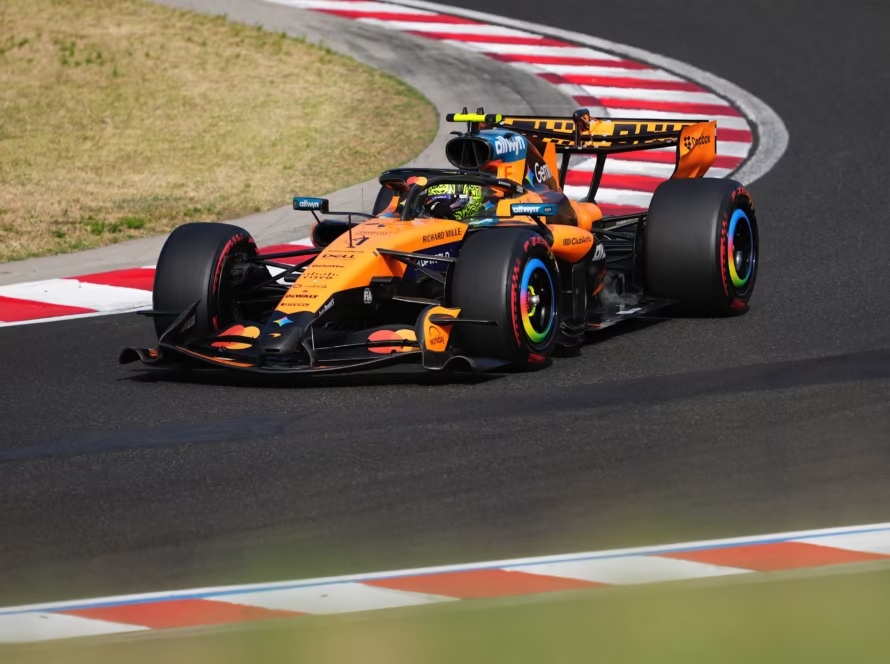
The FIA Middle East calendar changes have become one of the biggest talking points inside Formula 1 as the championship works to secure the future of several races scheduled for the 2026 season. With tensions in the Middle East continuing to raise concerns over logistics and safety, the FIA is already evaluating alternative plans to guarantee the Bahrain and Saudi Arabian Grands Prix can still take place before the end of the year.
According to reports from RacingNews365, Formula 1 is currently studying different scenarios to reorganise the calendar if the situation in the region continues to escalate. The FIA Middle East calendar changes include the possibility of fitting one of the postponed races into the weekend between the Azerbaijan and Singapore Grands Prix, from October 2 to October 4. However, another scenario under discussion involves creating a four-race sequence at the end of the season, beginning after the Las Vegas Grand Prix in November.
Under this scenario, one of the postponed Middle Eastern events could take place between the Qatar and Abu Dhabi Grands Prix. The original Abu Dhabi race weekend at Yas Marina, initially scheduled for December 6, would then move to the following week, pushing the Formula 1 season finale to December 13. These FIA Middle East calendar changes highlight how flexible the championship may need to become.
The FIA Middle East calendar changes reflect the growing uncertainty surrounding motorsport events in the region. Bahrain and Saudi Arabia were originally expected to host races during April, with Sakhir scheduled as the fourth round of the championship and Jeddah following immediately after. However, the worsening geopolitical situation forced the FIA to reconsider the calendar structure and prepare contingency plans in case the races cannot be safely organised.
Turkey could return earlier than expected
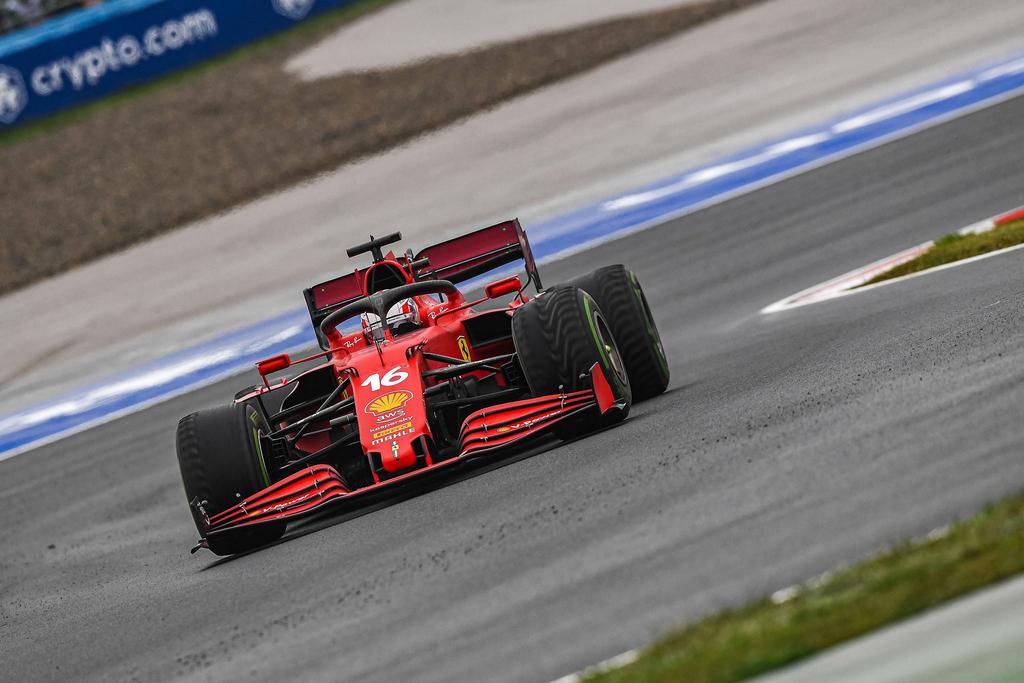
One of the most surprising alternatives being discussed within the FIA Middle East calendar changes involves the return of the Turkish Grand Prix. Formula 1 had already confirmed that Istanbul Park would return to the championship calendar in 2027, but FIA president Mohammed Ben Sulayem admitted that Turkey could potentially host a race as early as 2026.
“If not, then maybe we could have Turkey this year, if the homologation is completed and the remaining requirements are met,” Ben Sulayem explained. “From a logistical point of view, it is a question of finding the best scenario. We are consulting with promoters and evaluating every possibility.”
The possible return of Istanbul Park would represent a major change for Formula 1, especially because the circuit remains highly popular among drivers and fans. Turkey last hosted a Formula 1 race during the pandemic-affected seasons, when the championship had to quickly adapt its calendar following global travel restrictions.
Beyond the sporting aspect, the FIA Middle East calendar changes also demonstrate how seriously Formula 1 is treating operational concerns. The current uncertainty affects not only Bahrain and Saudi Arabia but also neighbouring countries that are scheduled to host races later in the year.
Qatar and Abu Dhabi races remain uncertain
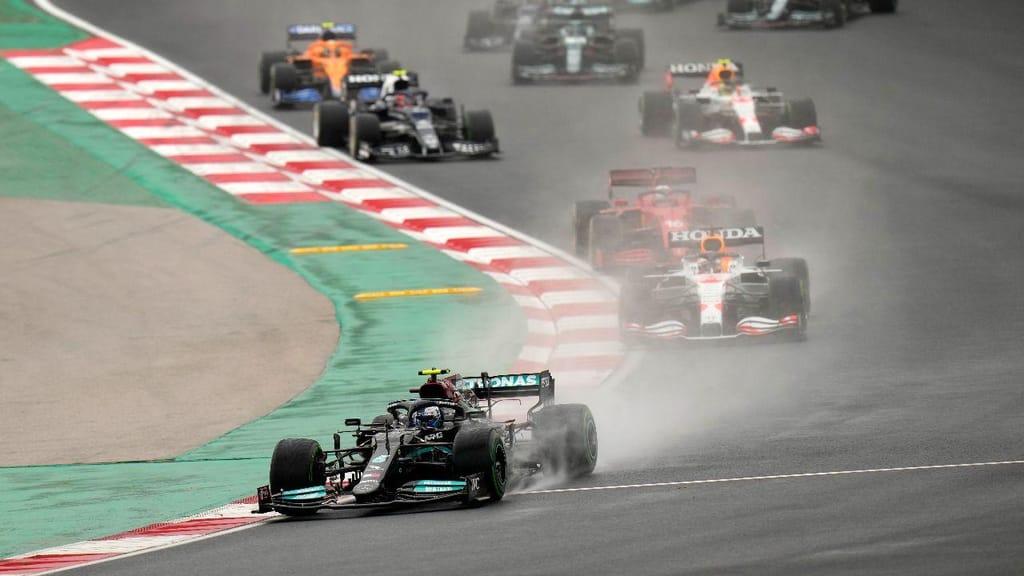
The Qatar and Abu Dhabi Grands Prix are now also under close observation from the FIA due to the ongoing FIA Middle East calendar changes. Both races are currently planned for the final weeks of the 2026 Formula 1 season, but instability in the region has created doubts about whether they can proceed as scheduled.
Ben Sulayem reinforced that the FIA’s priority remains the safety of everyone involved in the championship, including drivers, team personnel, staff members and fans travelling to the events.
“There is a bigger issue than just motorsport. It is about how we live, the changes and the stress in that region,” he said. “Sport can wait. What is more important? People or motorsport? People will always come first.”
The FIA president also admitted that, if the conflict continues into October or November, Formula 1 may ultimately have no choice but to cancel the races entirely.
“We hope this ends soon so that life can return to normal and we do not continue living with this stress. God forbid, but if this extends into October or November, we simply will not go, because safety and security come first,” he concluded.
For now, Formula 1 continues with 22 confirmed races on the 2026 calendar, although Bahrain and Saudi Arabia still do not have officially rescheduled dates. The FIA Middle East calendar changes could therefore become one of the defining stories of the season, potentially reshaping the final months of the championship and forcing Formula 1 to adapt once again to an unpredictable global situation.