Formula 1 engine changes for 2027 officially began taking shape on Friday after a major FIA meeting between the Fédération Internationale de l’Automobile, Formula 1 teams, engine manufacturers and representatives from Formula One Management (FOM). The meeting established an initial agreement to further modify the championship’s power unit regulations, with a focus on safety, competitive balance and reducing the issues that have emerged since the introduction of the 2026 regulations.
The discussion came amid growing criticism surrounding the current hybrid engine concept, particularly regarding excessive energy management during races. Drivers and team principals have repeatedly highlighted concerns related to battery harvesting, overtaking dynamics and inconsistent power deployment, all of which have directly impacted the quality of racing across the Formula 1 grid.
The Formula 1 engine changes for 2027 are designed to reduce those problems while making the technical package more efficient and predictable for teams and drivers. According to the FIA, the aim is to create regulations that are safer, more intuitive and better suited to modern Formula 1 competition.
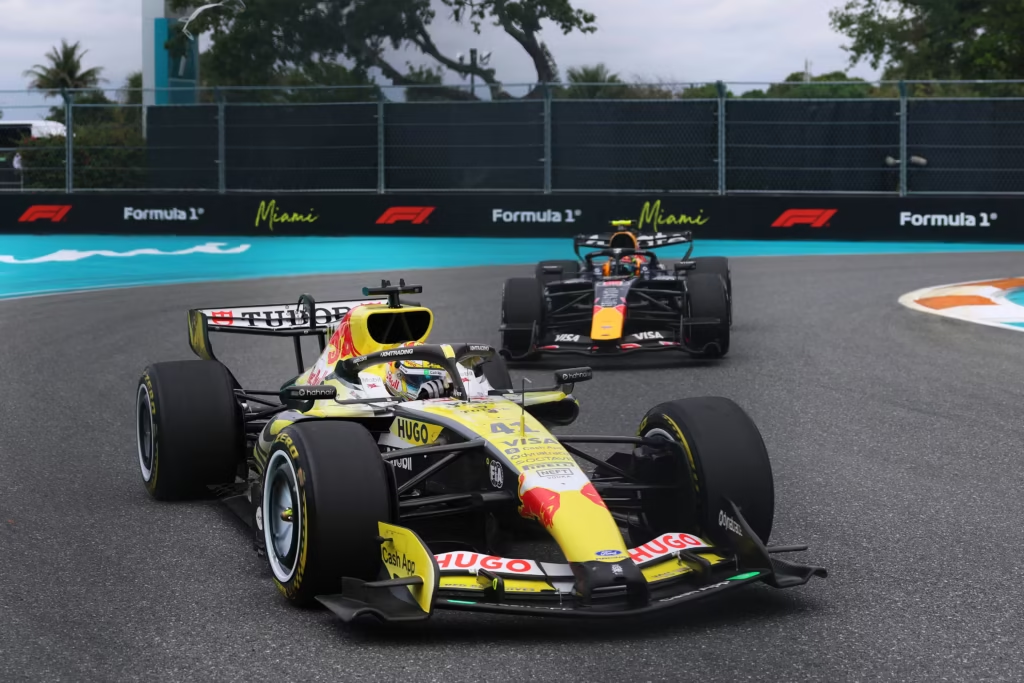
Why Formula 1 engine changes for 2027 became necessary
One of the most significant elements approved by the FIA involves the balance of power within Formula 1’s hybrid power units. Under the current regulations, the engines operate with a near 50-50 split between internal combustion power and electrical energy deployment. However, the Formula 1 engine changes for 2027 will shift that balance closer to 60% combustion power and 40% electric power.
In practical terms, the internal combustion engine will gain around 50 kW of additional power. At the same time, the Energy Recovery System (ERS) will lose approximately 50 kW in deployment capability. The FIA also confirmed that fuel flow levels will increase in order to compensate for the reduced electrical contribution without significantly harming overall performance.
According to the governing body, the decision follows technical evaluations carried out throughout the opening months of the 2026 Formula 1 season. Since the beginning of the new hybrid era, teams and drivers have expressed concerns over the extreme amount of energy management now required during races, particularly at high-speed circuits.
That scenario created the rise of techniques such as “superclipping”, where cars stop deploying electrical energy towards the end of straights in order to prioritise battery recovery, even while drivers remain at full throttle. Within the paddock, the system has divided opinion. Some teams view it as a natural technological evolution of Formula 1, while others believe it creates artificial racing conditions and negatively affects overtaking battles.
Before the introduction of the 2026 rules, the electrical systems in Formula 1 played a far smaller role in total power output. The hybrid component previously delivered around 120 kW, while the internal combustion engine generated approximately 550 kW.
With the arrival of the 2026 regulations, however, electrical power increased dramatically. The hybrid system jumped to 350 kW, representing an increase of almost 300%, while combustion power dropped from 550 kW to 400 kW.
That shift completely transformed how teams manage energy during races. At several circuits, drivers began running out of electrical deployment before the end of long straights, creating situations many considered unnatural and potentially unsafe during wheel-to-wheel battles. As a result, the Formula 1 engine changes for 2027 are now viewed as an important correction within the current regulatory philosophy.
FIA reviews impact of Formula 1 engine changes for 2027 after Miami adjustments
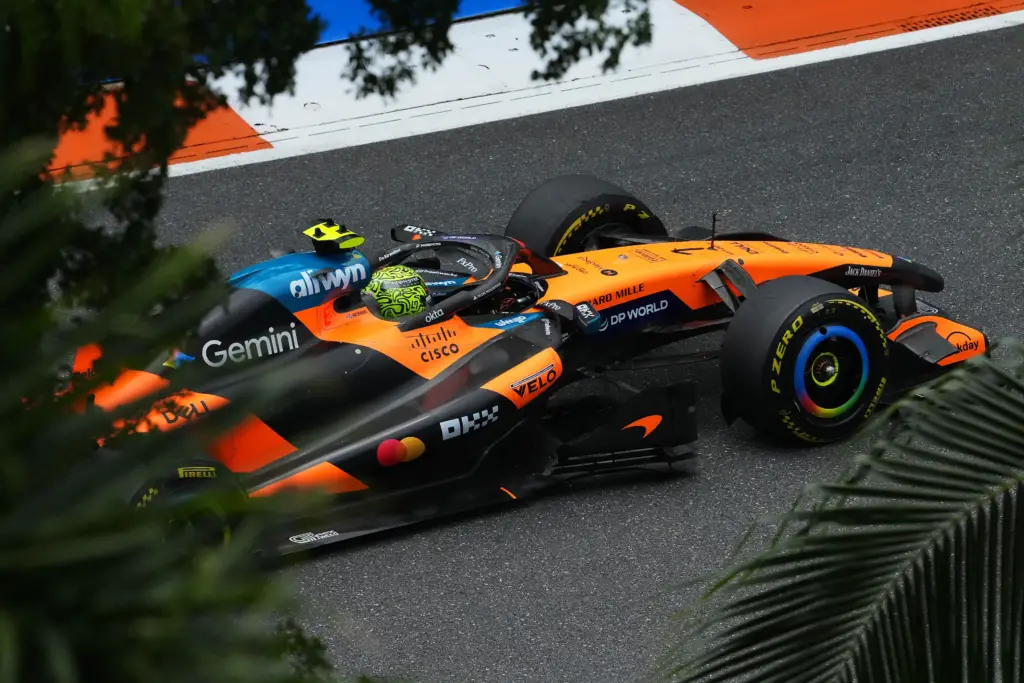
During Friday’s meeting, the FIA also reviewed the measures introduced at the Miami Grand Prix last weekend. According to the federation, those adjustments produced positive results in reducing excessive energy harvesting and improving the overall racing experience.
The governing body also stated that it had not received any significant safety complaints following the race in the United States. Additional discussions focused on further improvements for race starts and wet-weather conditions, both of which remain key concerns under the current regulations.
Among the measures being evaluated is a new detection system capable of identifying cars with “abnormally low acceleration” during race starts. The objective is to reduce dangerous speed differences between cars during the opening moments of Grands Prix.
The FIA confirmed that the results of those evaluations will continue to be shared with teams before the final approval of the 2027 regulations. The organisation also highlighted the direct involvement of Formula 1 drivers throughout the consultation process, stating that competitors played an important role in identifying the issues experienced since the start of the 2026 season.
In addition, all five engine manufacturers currently involved in Formula 1 – Ferrari, Mercedes, Honda, Audi and Ford – participated in the technical discussions surrounding the Formula 1 engine changes for 2027.
The next step in the approval process will be an online vote involving the parties present at Friday’s meeting. Following that stage, the proposed regulatory package will be submitted to the FIA World Motor Sport Council for final approval.
Inside the paddock, expectations remain that the Formula 1 engine changes for 2027 will receive official confirmation within the coming months, allowing teams and manufacturers to begin the definitive development phase for Formula 1’s future power units.
The Formula 1 engine changes for 2027 could become one of the most significant regulatory adjustments of the hybrid era, with teams now preparing for another major shift in power unit philosophy.