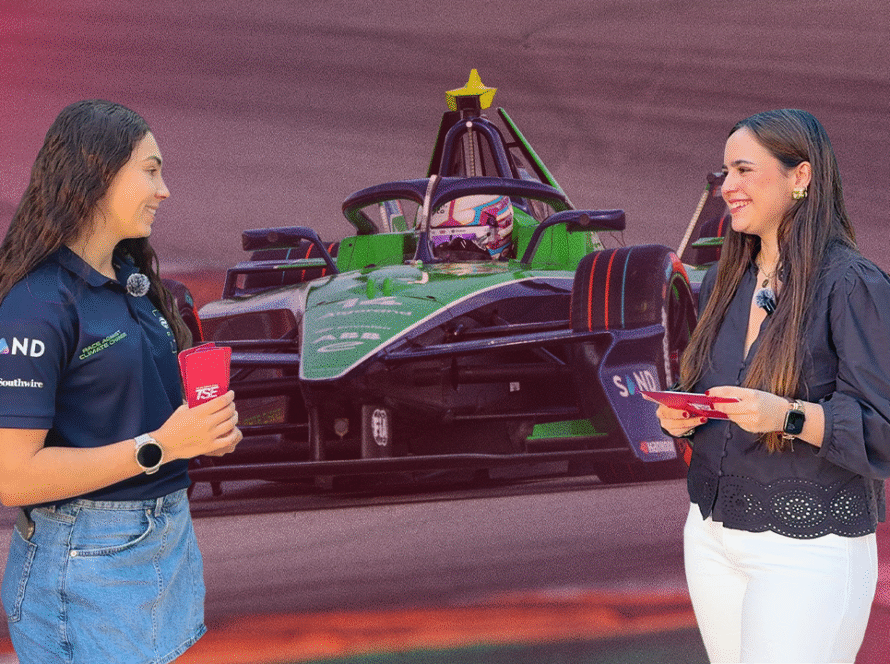
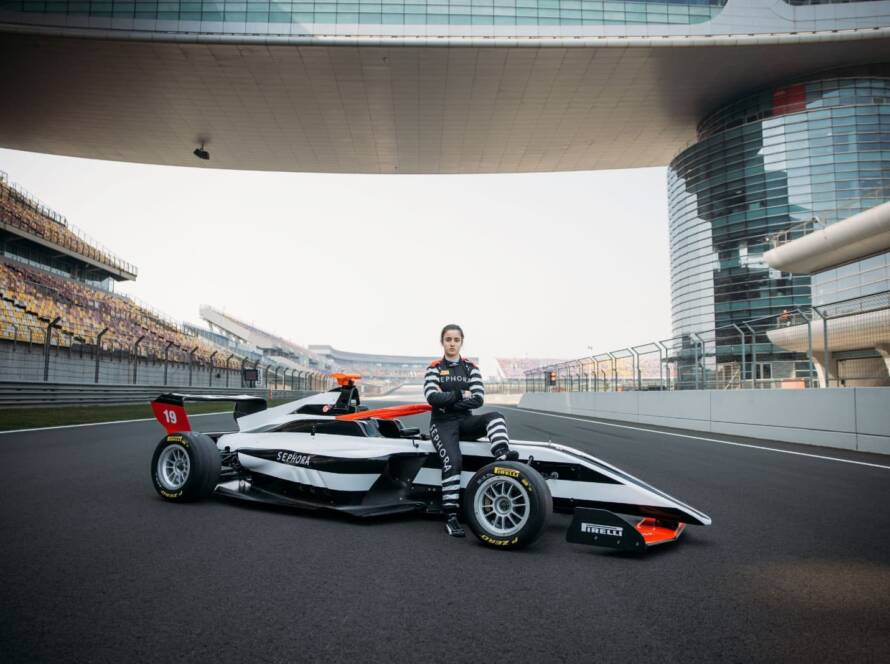
Women in motorsport are breaking down barriers to kickstart their careers in the sport and F1 Academy is at the forefront of this movement. Since its creation in 2023, over 50 women have competed in the female-focused single-seater series as a stepping stone for their careers. But what happens after their two-year stint in the series comes to an end?
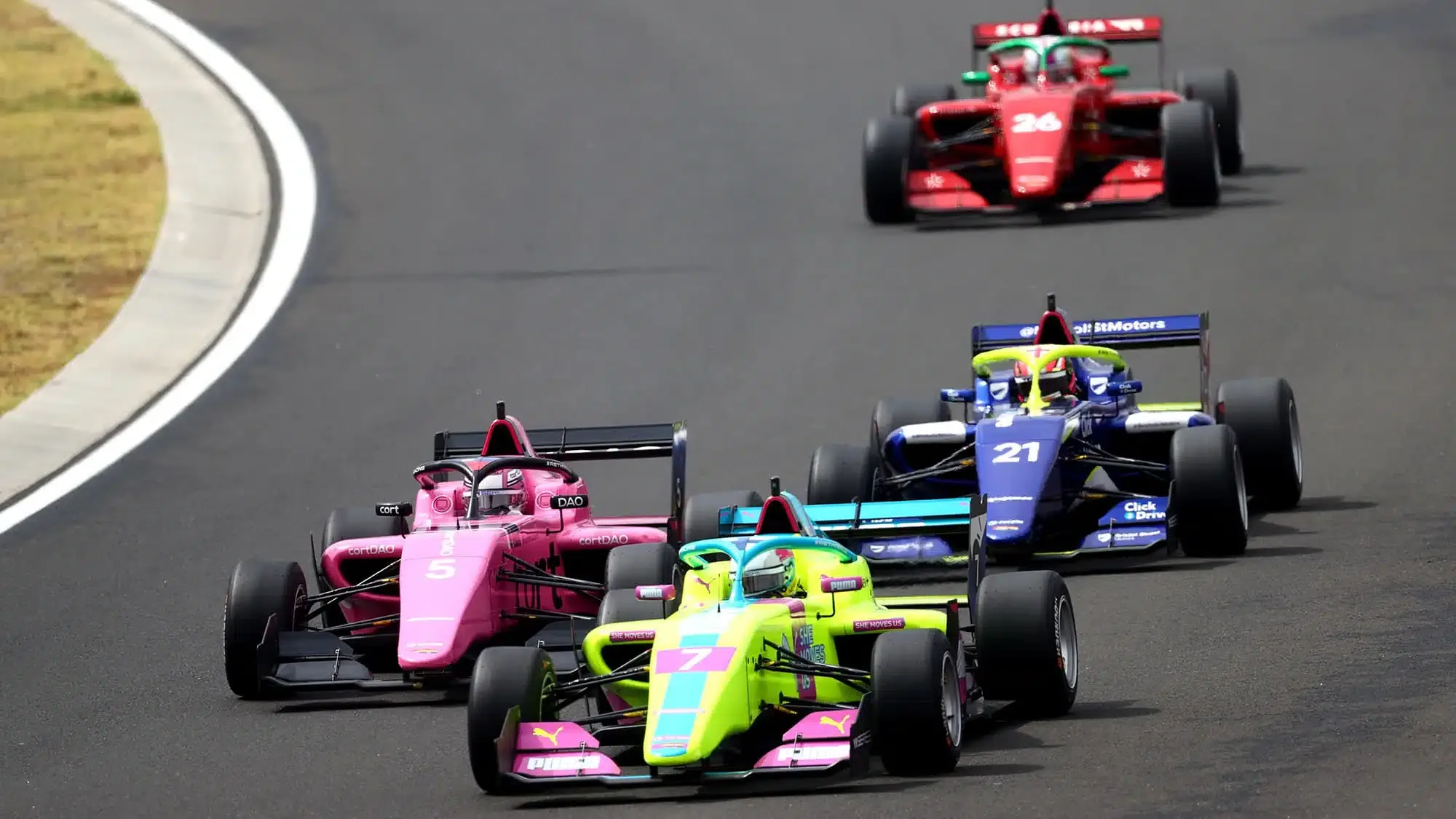
A career in motion
Progression is not linear and women are finding their footing in the sport in various ways. From junior categories to top-tier GT (Grand Tour), endurance racing and Formula 1 development programmes, women are increasingly making a name for themselves.
While representation is still limited compared to male drivers, progress is being driven by stronger manufacturer support, structured pathways and greater visibility on major race weekends. More female drivers are now being evaluated on performance alone, earning opportunities in competitive cars and challenging long-standing perceptions of who belongs in motorsport.
What F1 Academy prepares drivers for
Many F1 Academy drivers enter the series through traditional routes such as karting and junior single-seaters, but experience levels vary. Karting develops the fundamentals of high-speed racecraft, with some drivers starting as young as six years old, growing up in competitive environments.
The purpose of F1 Academy is to develop those skills further. The series is designed to refine and accelerate development, preparing drivers for higher-level racing. Across a weekend, drivers take part in practice, Qualifying and two races, increasing pressure and exposure compared to karting.
Sponsorship remains a key factor in progression. Drivers compete in identical cars with equal technical backing and with the opportunity to gain visibility on Formula 1 weekends. It helps that the drivers are supported by F1 team junior programmes such as Mercedes, Ferrari and Alpine, with commercial partners helping to reduce costs.
However, moving beyond F1 Academy still depends heavily on funding. Formula 3, Formula Regional and endurance racing require significantly larger budgets, meaning sponsorship can decide whether a career continues.
Moving up through the gears
Progress after F1 Academy is not linear and depends on funding, performance and opportunity.
GT racing and endurance series are a common pathway. Unlike single-seaters, this category uses high-performance sports cars such as Porsche, Lamborghini and Mercedes-AMG. Races can range from sprint formats to 24-hour endurance events.
Compared to other junior Formulas, GT racing has strong female representation. Former F1 Academy driver Maya Weug has already moved into this environment after a fully funded GT3 test with Ferrari. She has taken part in an endurance race, securing a podium on debut while gaining experience in GT machinery.
For those targeting Formula 1, Formula 3 or Formula Regional remains the main route, although it is highly competitive and currently still lacks female representation. Sophia Flörsch is one of the few women to compete in a modern F3 car, despite not starting her career with F1 Academy.
Formula Regional is slowly becoming more inclusive through targeted initiatives. Projects such as Iron Dames and the “fourth car” rule in FRECA have helped increase opportunities.
Iron Dames has expanded into open-wheel racing, while the fourth car rule allowed teams like Prema Racing to field additional entries for female drivers. These initiatives aim to bridge the gap between junior categories and higher-level racing.
The sport is seeing more women take on testing and reserve-style roles in junior and manufacturer programmes. These involve simulator work, development driving and occasional testing, offering exposure to F1-level engineering environments.
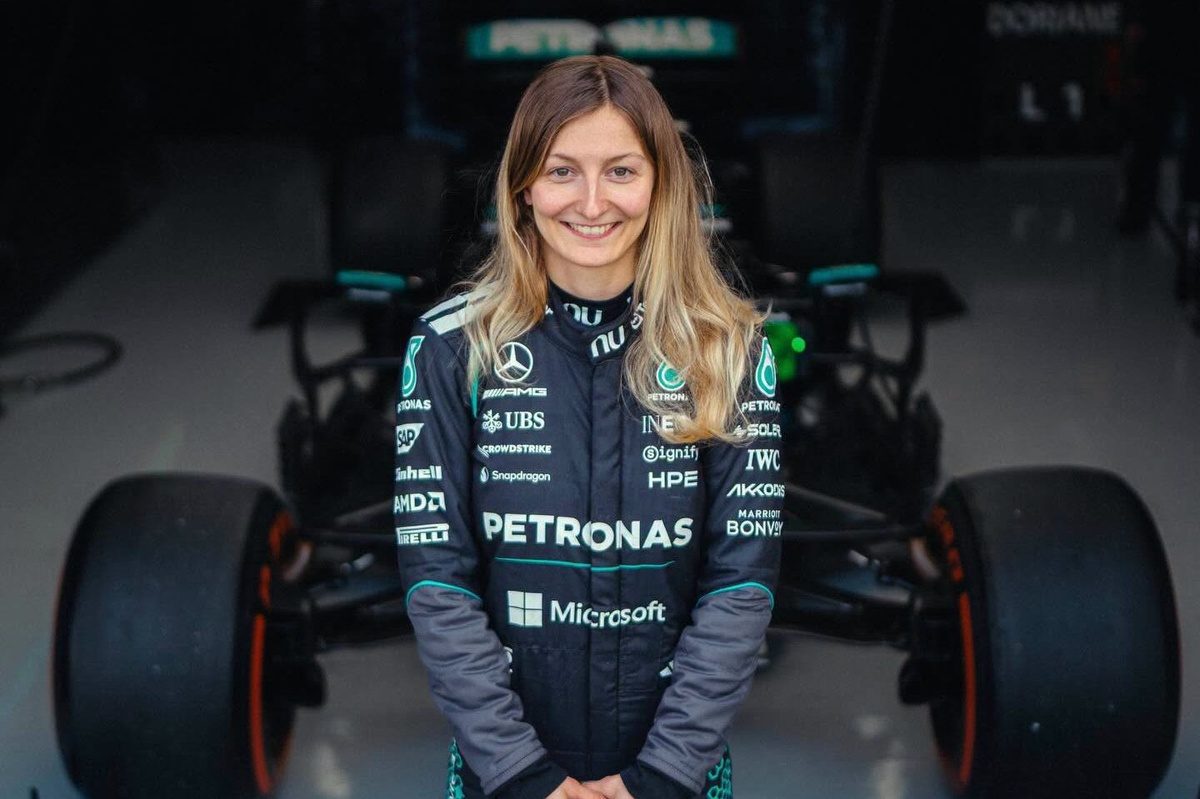
While still limited, this reflects gradual progress in integrating female drivers into team structures. A key example is Doriane Pin, who drove a 2021 Mercedes F1 car in a private testing programme. This experience highlighted both her development and the growing opportunities emerging after F1 Academy.
Challenges after F1 Academy
After F1 Academy, the step up into higher categories brings major challenges.
Funding is one of the biggest barriers, as seats in Formula 3, Formula Regional and beyond require significantly larger budgets. Even talented drivers can struggle to secure the backing needed to progress.
The transition itself is significant. Drivers move from identical machinery into highly competitive international grids with more complex, high-downforce cars and demanding race weekends. This creates physical and mental pressure in a results-driven environment.
Despite progress, underrepresentation remains an issue at higher levels of motorsport. Fewer female drivers reach competitive seats, and barriers linked to funding, visibility and development networks still exist. With the added problem of limited competitive seats being available, opportunities are scarce.
Drivers compete within a predominantly male junior single-seater system where experience and financial backing often influence opportunity. Progression beyond F1 Academy depends on talent, timing and resources.
Opportunities and the changing landscape for women in Motorsport
There is a clear shift in how motorsport supports female talent. F1 Academy is backed directly by Formula 1 and supported by teams such as Mercedes, Ferrari, McLaren and Alpine. Drivers including Abbi Pulling and Maya Weug have gained access to F1 simulators, coaching and structured development pathways.
Racing on Formula 1 weekends has increased visibility and commercial interest, mixed with a growing social media presence. Opportunities are also expanding into endurance and GT racing, with manufacturer testing programmes offering long-term career potential. Earlier initiatives such as the W Series helped raise visibility and create pathways for female drivers.
Together, these changes reflect a cultural shift where female drivers are increasingly judged on performance across multiple competitive environments.
Where will F1 Academy go from here?
F1 Academy is designed as a launchpad rather than a destination. Drivers spend up to two years in the series before moving on.
There is no single route forward, and drivers are already proving that opportunities vary widely. The series has increased awareness of female talent and is gradually narrowing the gap in representation.
In the early days of F1 Academy, it may have seemed unlikely that a woman would test a Formula 1 championship-winning car, but that expectation has already been challenged. Barriers are beginning to break down and women are gaining recognition through persistence, opportunity and talent.