The art of the tow is as old as racing itself, but in modern Formula 1, it has transformed from a happy coincidence into a high-stakes tactical weapon. When cars are separated by hundredths of a second, the slipstream is no longer just an overtaking aid, it is a piece of territory to be aggressively defended, stolen, or weaponized.
At its core, slipstreaming is simple physics: a leading car punches a hole through the air, creating a low-pressure pocket of clean air directly behind it. For the trailing car, this means less aerodynamic drag and a massive spike in straight-line speed. But in a sport dictated by razor-thin margins, deploying this aerodynamic phenomena requires a delicate balancing act between absolute compliance and psychological warfare.
The team tow: A choreographed dance
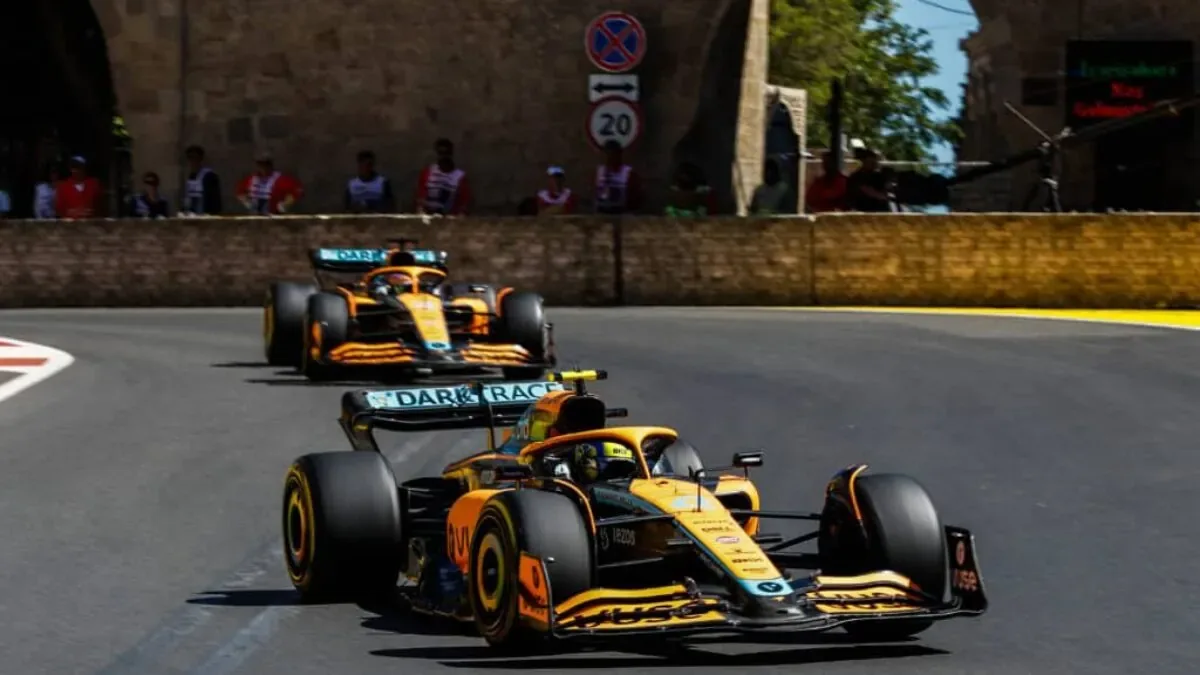
Nowhere is the weaponization of the slipstream more apparent than during Saturday afternoon qualifying sessions. On high-speed circuits like Monza, adequately nicknamed “the temple of speed”, or Spa-Francorchamps, teams routinely attempt to orchestrate a “tow” between their two drivers.
The choreography is precise. The leading teammate sacrifices their own lap to act as a battering ram against the air, allowing the trailing car to tuck into their gearbox down the straights. Done correctly, it can yield an extra two to three tenths of a second, the difference between pole position and a row-two start.
Yet, it is a high-wire act. If the leading car stays ahead for too long into a braking zone, the trailing driver loses the aerodynamic downforce required to stop and turn the car, washing out in the “dirty air.” The radio transmissions during these sessions are often frantic, a tense countdown of gaps and positions as engineers try to nail the perfect launch window.
Dirty air: The slipstream’s ugly twin
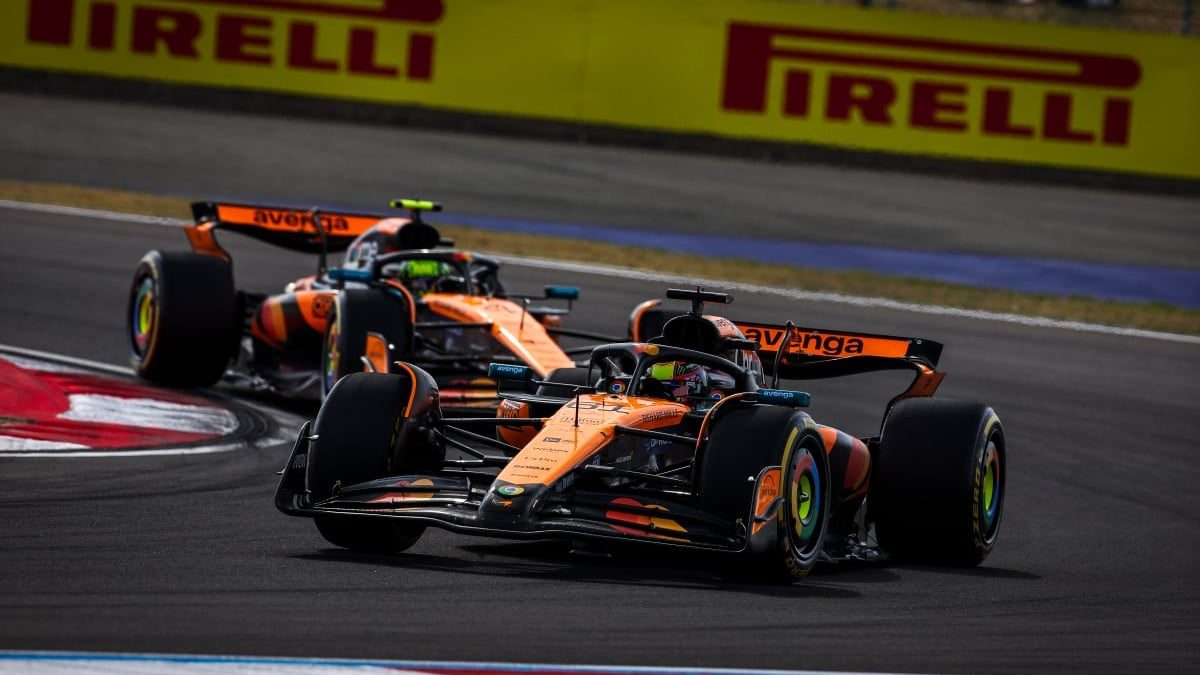
While the slipstream provides a high-speed aerodynamic tow down the straightaways, dirty air is the highly turbulent, low-pressure wake left behind a racing car as it tears through corners. Because an F1 car relies heavily on clean, fast-moving air passing over its wings and floor to generate aerodynamic downforce, entering this turbulent air severely compromises a trailing car’s performance.
When a driver gets too close to the rear wing of a rival in a corner, the dirty air robs their car of grip, causing it to slide, overheat its tires, and “wash out”, effectively turning a potent weapon down the straights into a major handling liability through the bends.
The pit lane game
When teams choose not to engage with each other, the hunt for a slipstream turns into an unruly game of musical chairs. Drivers will slow down to an absolute crawl at the exit of the pit lane or along the back straights, desperately trying to position themselves behind a rival without crossing the minimum delta time dictated by the FIA.
This tactical posturing frequently spills over into chaos. No driver wants to be the first car in the train, forcing them to punch the hole for everyone else. It creates a psychological game of chicken: drivers weave, drop anchors, and feign dummy runs, waiting for a rival to blink, accelerate, and involuntarily become the lead tow-provider.
Defensive breaking: Breaking the tow
On Sundays, the weapon flips from an offensive booster to a defensive target. When a leading driver is trying to break away from a car equipped with the Overtake Mode, they will actively look to break the slipstream.
To do this, drivers employ a tactic known as “breaking the tow.” Down the long straights, the leader will intentionally weave across the track within the regulations to force the trailing car back into the clean, heavy air. By refusing to let the chasing car sit comfortably in their aerodynamic wake, the lead driver forces their rival to fight the full force of the wind, neutralizing their straight-line advantage before they can even mount an overtake into the braking zone.
Ultimately, the slipstream is a volatile tool. In the right hands and at the right millisecond, it is an invisible slingshot that can secure a front-row grid slot or a race-winning pass. Get the timing wrong by a fraction of a meter, and you are left stranded in a pocket of turbulent air, watching your rivals disappear up the road.