


Every F1 Academy race tests a different part of what it takes to succeed in motorsport. With a limited number of rounds throughout the season, every session carries extra importance, giving drivers fewer opportunities to prove their potential. That’s why the championship uses two very different race formats: the Reverse Grid Race and the Feature Race.
Rather than relying solely on qualifying pace, F1 Academy tests drivers across a range of skills. The Feature Race rewards those who can deliver a complete weekend, while the Reverse Grid Race challenges them to fight through the field, adapt quickly and showcase their racing skills. Together, the two formats create a more demanding and unpredictable test, helping identify the drivers who have the speed, consistency and composure needed to progress in motorsport.
But what exactly separates the two races formats and why are both essential to finding F1 Academy’s next generation of talent?
What is a Feature F1 Academy Race?
The Feature Race is the headline event of the F1 Academy weekend and follows a format familiar to Formula 1 fans. The starting grid is determined by qualifying, with the driver who secures pole position lining up first and the rest of the field following in qualifying order.
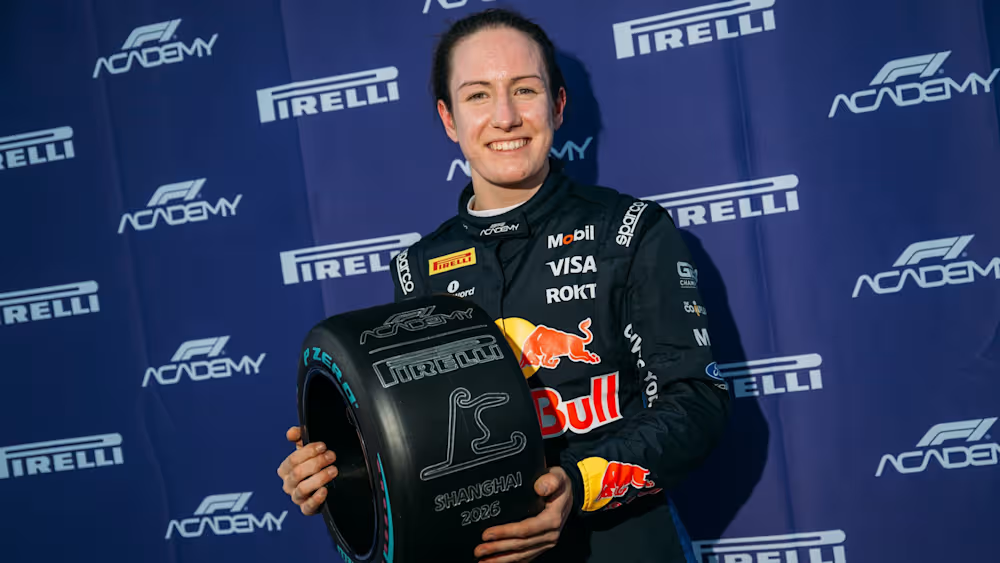
With every driver competing in identical machinery, the Feature Race highlights those who can maximise both speed and consistency. A strong qualifying lap provides the perfect foundation, but converting pole position into victory requires more than raw pace. Drivers must manage their tyres, avoid mistakes and maintain performance throughout the race distance.
The Feature Race offers the biggest championship reward, with 25 points awarded for victory, 18 for second and 15 for third. Points are available down to 10th place, with an additional two points for pole position and one point for the fastest lap (provided the driver finishes inside the top 10), meaning a maximum of 28 points are available.
More than any other race, the Feature Race tests a driver’s complete skill set. It combines qualifying performance, race strategy, tyre management and the ability to handle pressure when leading or defending. As the most valuable and anticipated race of the weekend, it is where drivers must prove they have what it takes to succeed.
What is a Reverse Grid F1 Academy Race?
The Reverse Grid Race is designed to answer one key question: is the fastest qualifier also the best racer? Instead of rewarding the quickest drivers with a front-row start, F1 Academy reverses the top eight qualifiers from the previous session. The driver who qualified eighth starts on pole, while the fastest qualifier begins eighth and must fight through the field.
This format puts the driver under the spotlight. The quickest drivers must prove they can overtake cleanly, manage their tyres and recover valuable championship points despite starting further back. It tests whether they have the complete skill set needed to succeed, rather than just the pace to top qualifying.
The Reverse Grid Race also creates opportunities for wildcard drivers and those further down the order to compete at the front. Starting higher up the grid gives them the chance to challenge for strong results and showcase their ability under pressure.
While it offers fewer points than the Feature Race, there is still plenty at stake. The winner earns 10 points, with points awarded down to eighth place, plus one bonus point for the fastest lap if they finish inside the top eight. Unlike the Feature Race, there are no points for pole position.
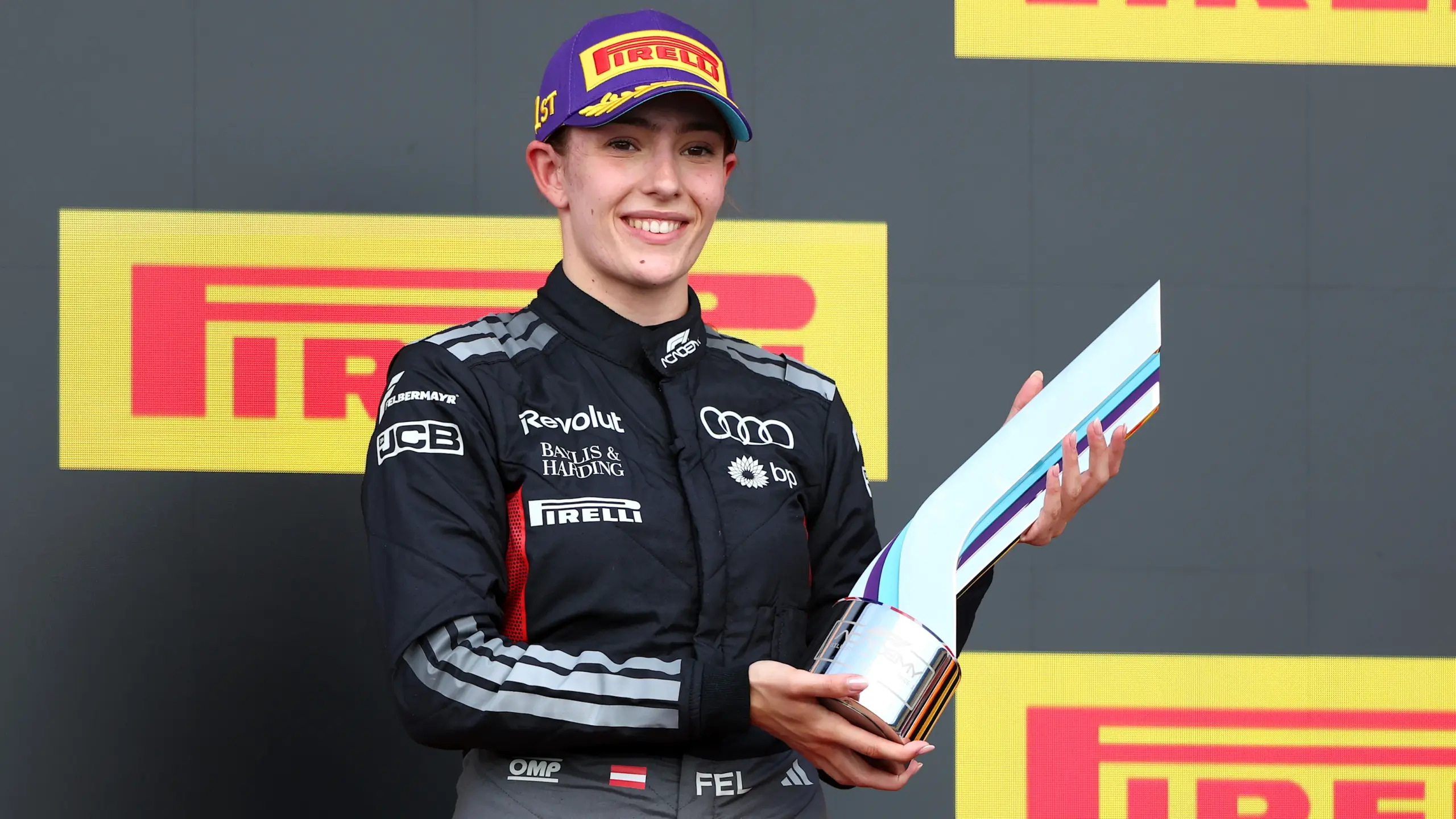
By shaking up the order, the Reverse Grid Race delivers some of the most unpredictable racing of the weekend, rewarding adaptability, confidence and the ability to make progress when the pressure is on.
The best of both worlds
Using a Reverse Grid Race and a Feature Race allows F1 Academy to test every aspect of a driver’s ability. While qualifying pace is an essential skill, succeeding in single-seater racing requires much more than producing one fast lap. Drivers must demonstrate strong racing instincts, strategic thinking and the confidence to perform under pressure.
The two formats complement each other by rewarding different strengths. The Feature Race recognises drivers who can maximise their qualifying performance and convert it into a result, while the Reverse Grid Race challenges them to recover through the field, make decisive overtakes and adapt to changing race conditions. Together, they provide a more complete picture of a driver’s potential.
The Reverse Grid Race creates opportunities for wildcard drivers and those outside the usual front-runners to compete at the sharp end of the field. Starting closer to the front gives them valuable experience racing under pressure and the chance to score important championship points, while encouraging closer, less predictable racing for fans.
Ultimately, using both formats supports F1 Academy’s goal of developing well-rounded drivers. Rather than rewarding a single skill, the championship encourages competitors to prove they have the whole package of what is needed to progress in motorsports.
The ultimate test of talent
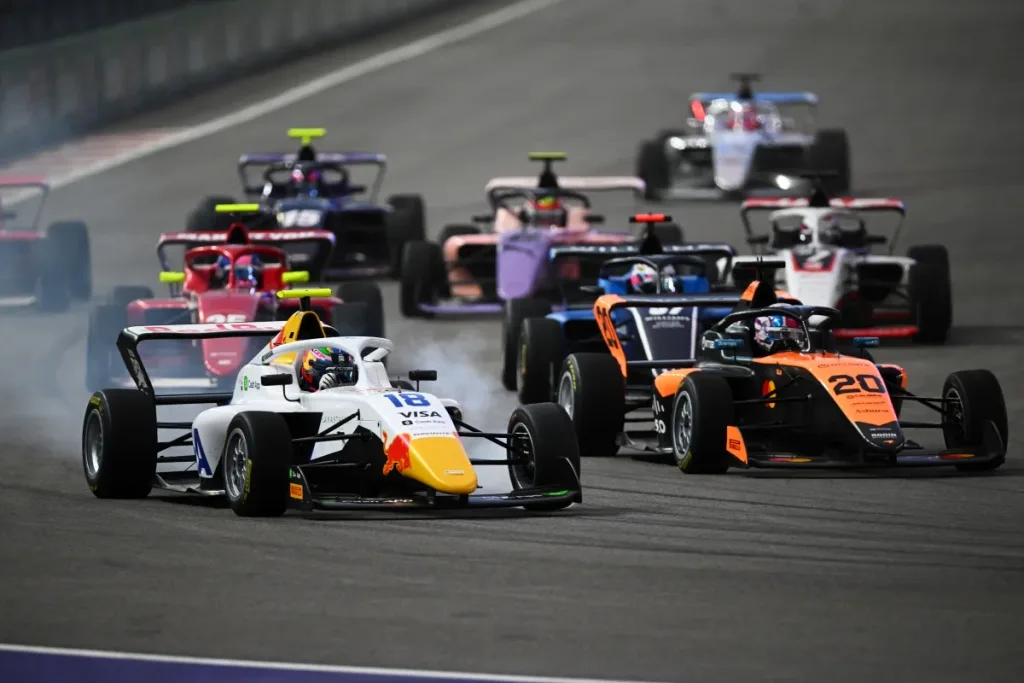
Whether it’s charging through the field in a Reverse Grid Race or converting pole position into victory in the Feature Race, F1 Academy demands far more than outright speed.
By combining both formats, the championship delivers exciting, unpredictable racing while ensuring drivers develop the complete skill set needed to progress through the motorsport ranks.
For fans, it offers the perfect balance of strategy, overtaking and high-stakes competition, making every race weekend one worth watching.

1 Comment
F1nnG1nn
Every day is a school day in a Chloe T F1 Academy column. I learned something new today!