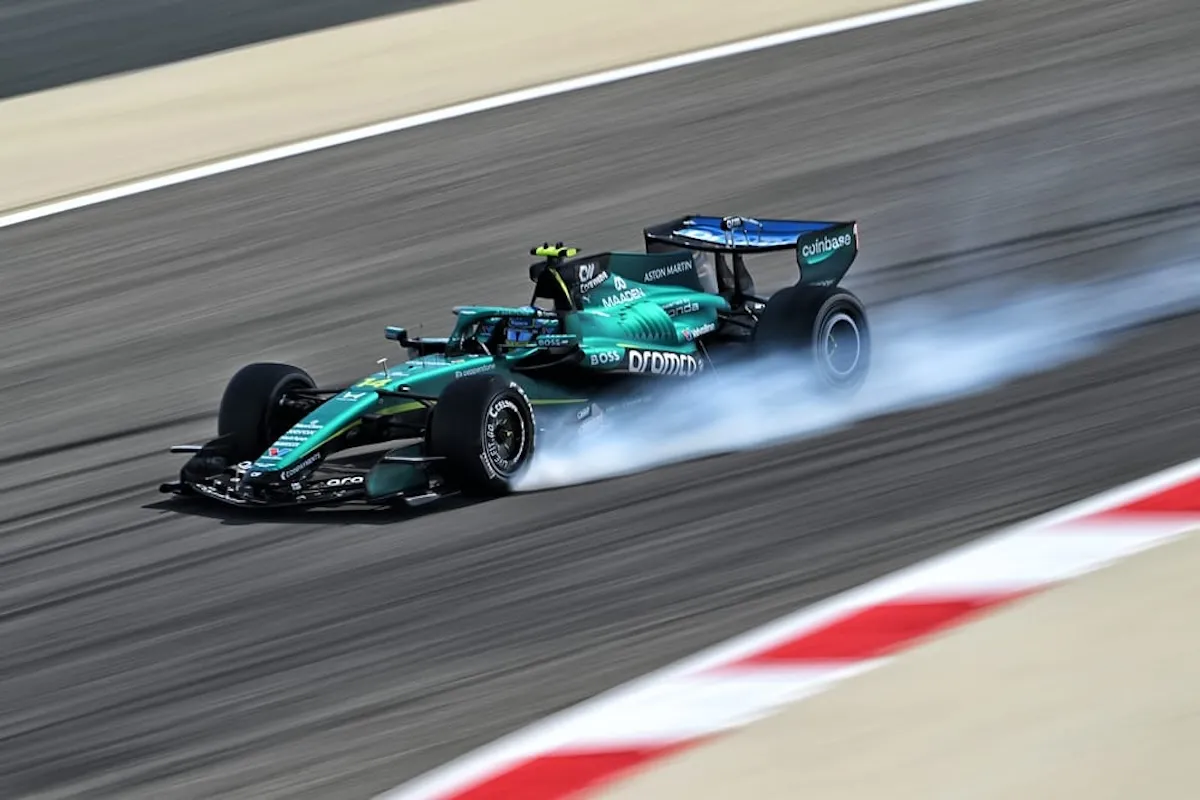
The Mexican Grand Prix became a compelling demonstration of how quickly Formula 1 fortunes can change. Strategic gambles, aggressive racing and regulatory interventions all shaped the outcome, placing the importance of playing by the rules firmly under the spotlight. In a weekend of fine margins, discipline proved a valuable competitive advantage.
The fine line between racing and regretting
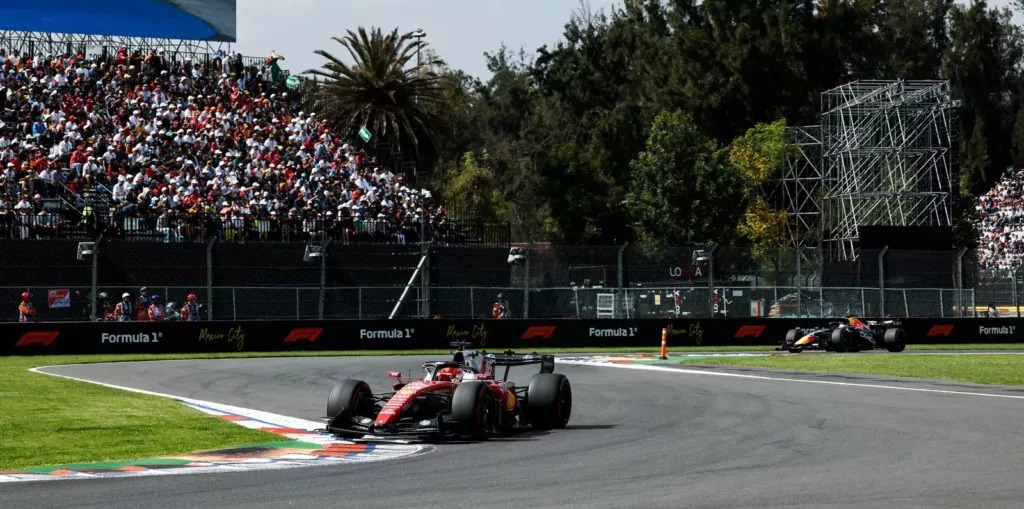
Ferrari’s opening-lap battle highlighted how understanding the sporting regulations should form part of a team’s strategic preparation. Leclerc’s decision to retain the lead after leaving the circuit exposed Ferrari to a five-second penalty, but surrendering the position was an alternative that could have avoided the sanction. The team faced a choice between protecting immediate track position and preserving its wider competitive advantage.
Clearer pre-race agreements could have established how drivers should handle disputed positions, particularly when both cars were fighting for the lead. Instead, responsibility was left largely to individual judgement, creating unnecessary regulatory and strategic uncertainty. The penalty was not simply a consequence of Leclerc’s aggression; it was a risk Ferrari could potentially have anticipated.
More significantly, the decision compromised Ferrari’s collective objectives. Hamilton’s frustration demonstrated how individual attempts to maximise track position can undermine a team’s opportunity to secure a stronger result. Driver autonomy is valuable, but Formula 1 still remains a team sport.
Ultimately, playing by the rules requires more than understanding the FIA’s regulations. Ferrari expected its drivers to respect the boundaries established by the sport, but had not sufficiently defined the boundaries governing their own competition. It is difficult to manage the consequences of breaking the rules on track when the rules within the team have not been clearly established in the first place.
Changing the rules of the game
The red flag following Valtteri Bottas’ heavy crash into turn 1 revealed how Race Control interventions can alter the value of strategic decisions already made. This created an opportunity for teams to reassess their strategies, with the standing restart introducing a different competitive situation from the one they had been managing.
Hamilton particularly benefited from the subsequent restart procedure. Having pitted under the Safety Car and initially dropped behind Antonelli, he was reinstated ahead of his Mercedes rival as Race Control established the order at the control line at pit entry. Although this followed the sporting regulations, its consequences were significant: Hamilton regained a position without having to recover it on track, while Antonelli lost the advantage of his earlier stop and Ferrari’s gamble before the suspension.
Verstappen also benefited, having passed the pit entry before the Safety Car and subsequently avoided the usual time cost of a pit stop. Conversely, Mercedes lost the tyre offset it had spent 43 laps creating, demonstrating how an intervention can undermine a strategy that had otherwise been successfully executed.
The incident highlights that playing by the rules involves more than avoiding infringements. Teams must understand how the regulations governing race interruptions can redistribute competitive advantages, sometimes rewarding decisions that would otherwise have carried a strategic cost while undermining those that had initially proved successful.
Performing under pressure and playing by the rules
The Mexican Grand Prix this year stood out as being characterised by incidents and interventions, so knowing when to avoid risk became a valuable asset. Antonelli and Lawson demonstrated the importance of clean, disciplined execution, avoiding unnecessary infringements that could have compromised their respective results. Their approaches highlight an often overlooked aspect of race strategy: the fastest route to a competitive result is not always the most aggressive one.
Their motivations, however, were considerably different. With a world championship within his grasp, Antonelli was racing with more than just a podium at stake. One unnecessary penalty could have jeopardised the culmination of an extraordinary season, making control just as important as pace. Lawson, meanwhile, was fighting the pressure of an uncertain future in Formula 1, which made this weekend critical to demonstrating his value. Both had considerable incentives to protect what they could achieve.
This makes playing by the rules a form of strategic risk management. In an environment where Race Control can impose significant sporting consequences, unnecessary infringements introduce variables that teams cannot afford to ignore. By maintaining discipline amid the race’s unpredictability, both drivers allowed their teams to maximise the opportunities available.
Ultimately, playing by the rules does not mean surrendering competitiveness. It means recognising when the risks of gaining an advantage outweigh its potential reward.
The FIA’s final word
In Formula 1, not every race defining decision is made by the pit wall. Sometimes, the most decisive factors rely on how regulations interpret events on track. Drivers do not set out to incur penalties, yet the intensity and unpredictability of wheel-to-wheel racing can make incidents and subsequent sanctions difficult to avoid.
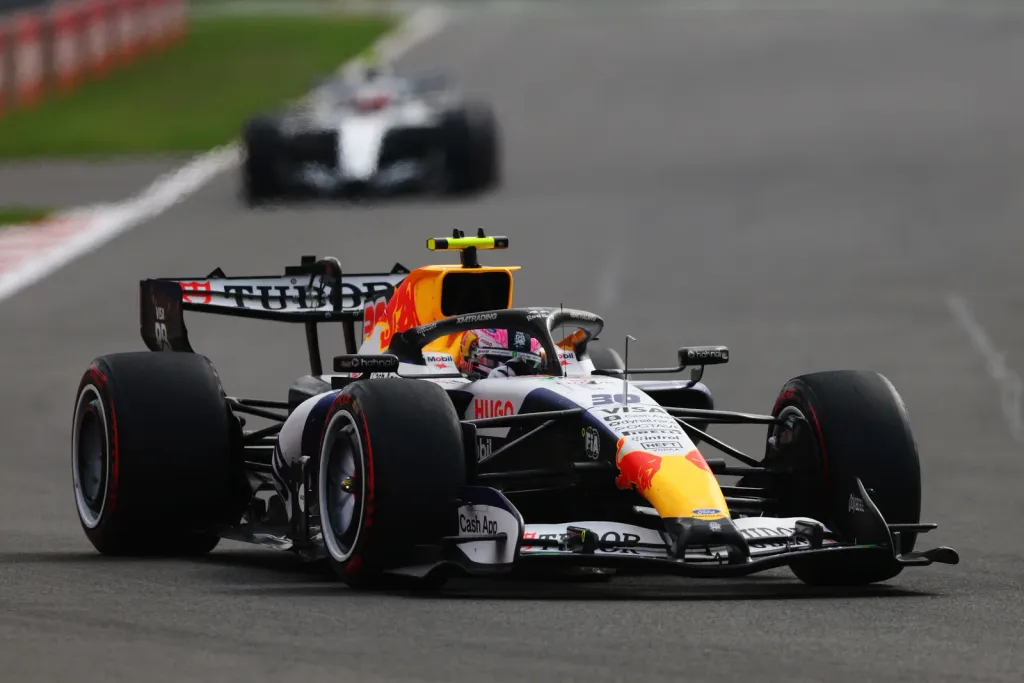
Having executed a great weekend, Alpine’s double-points finish unravelled after the chequered flag. Gasly and Colapinto received penalties for separate yellow-flag infringements, dropping the team out of valuable points. Similarly, Piastri’s collision with Lindblad earnt the McLaren driver a ten-second penalty, which also relieved him of his points finish. In such moments, the pit wall faces its own strategic dilemma: interpreting incidents, assessing potential infringements and making decisions with incomplete information, often while the race is still unfolding.
These incidents highlight that playing by the rules is not simply a procedural obligation, but an integral part of competitive strategy. Teams can calculate tyre degradation, manage pace and anticipate rivals, but cannot eliminate the uncertainty of racing or the consequences of FIA intervention. Mexico demonstrated how the difference between a successful and unsuccessful weekend can ultimately be decided beyond the pit wall.
When the rules decide the race
Ultimately, speed may win positions, but discipline protects them. Across a weekend shaped by penalties, infringements and unexpected interventions, playing by the rules became a strategy in its own right. In Formula 1, knowing when to push is important; knowing when not to cross the line can make all the difference.