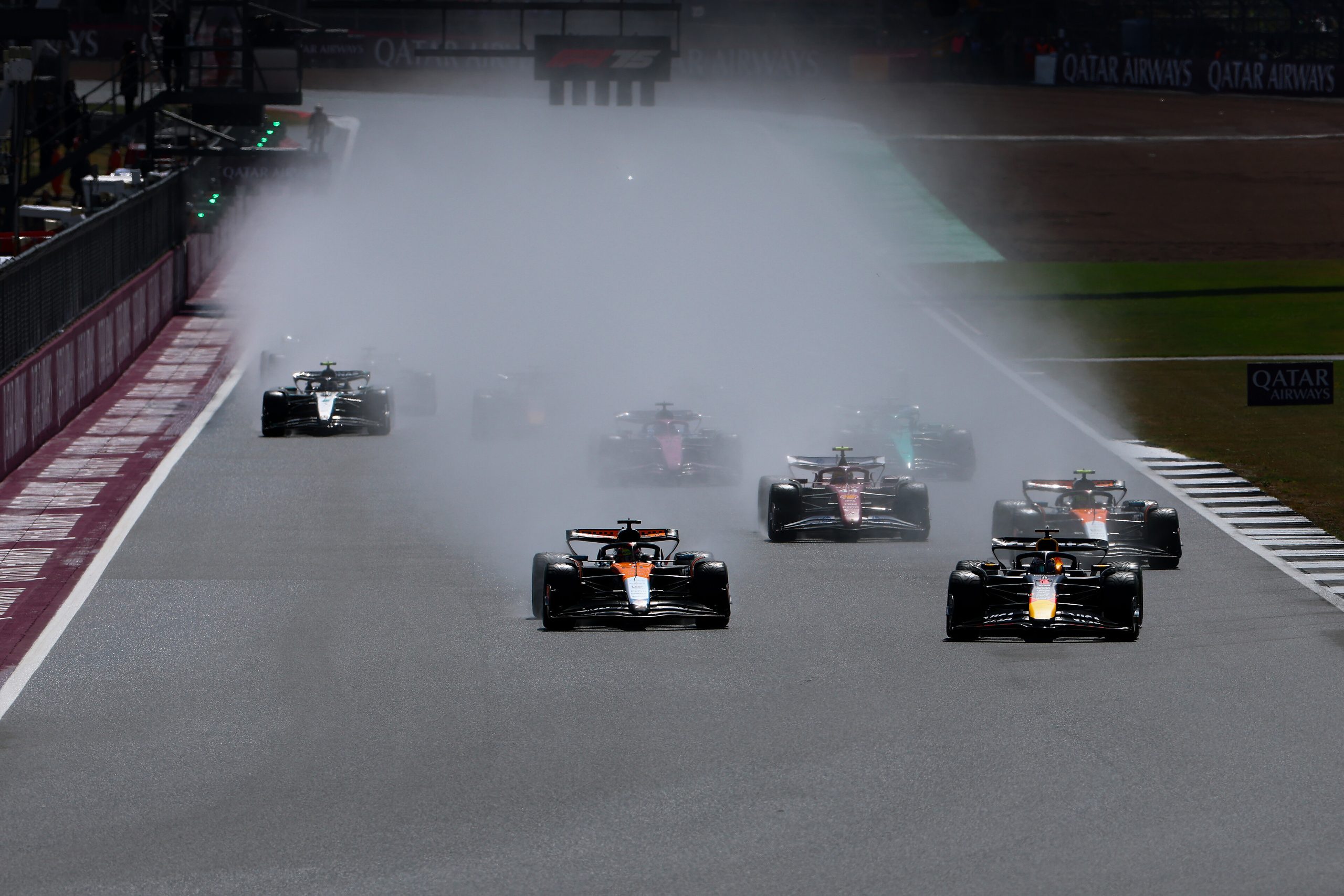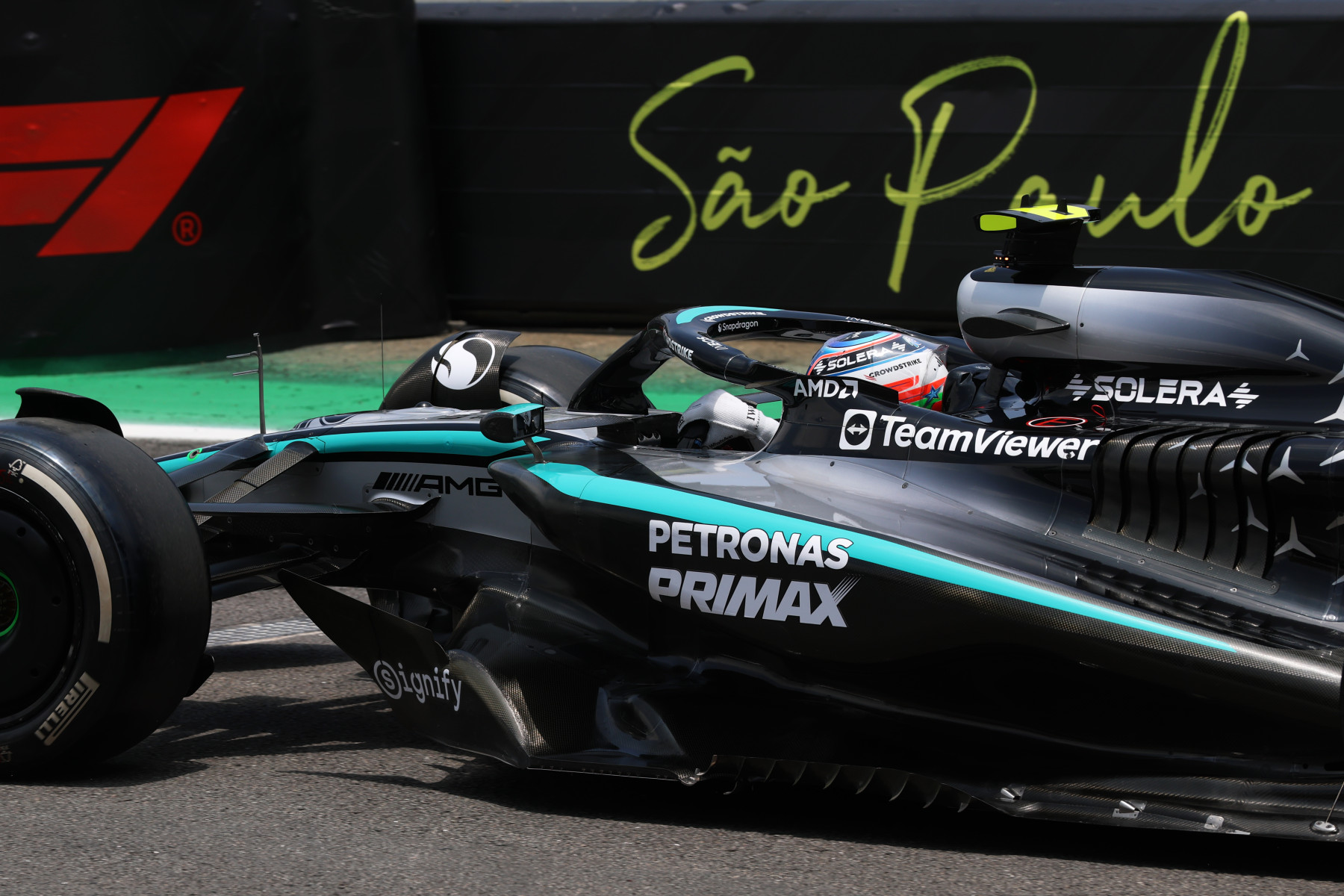
Formula 1 has no shortage of modern circuits and yet very few of them feel like Interlagos. Home to the Brazilian Grand Prix, the Interlagos circuit has been around in one form or another since 1940. It’s not especially long and it wasn’t designed with modern cars in mind. Despite that, it remains one of the races fans look forward to most all year.
That probably isn’t a coincidence. Interlagos packs a lot into 4.3 kilometres. The circuit features long straights, technical corners, elevation changes that barely come across on television and very little time for drivers to switch off before the next challenge arrives. Although most fans know it simply as Interlagos, the circuit’s official name is Autódromo José Carlos Pace, honouring the Brazilian driver who won his home Grand Prix there in 1975
Built into the landscape
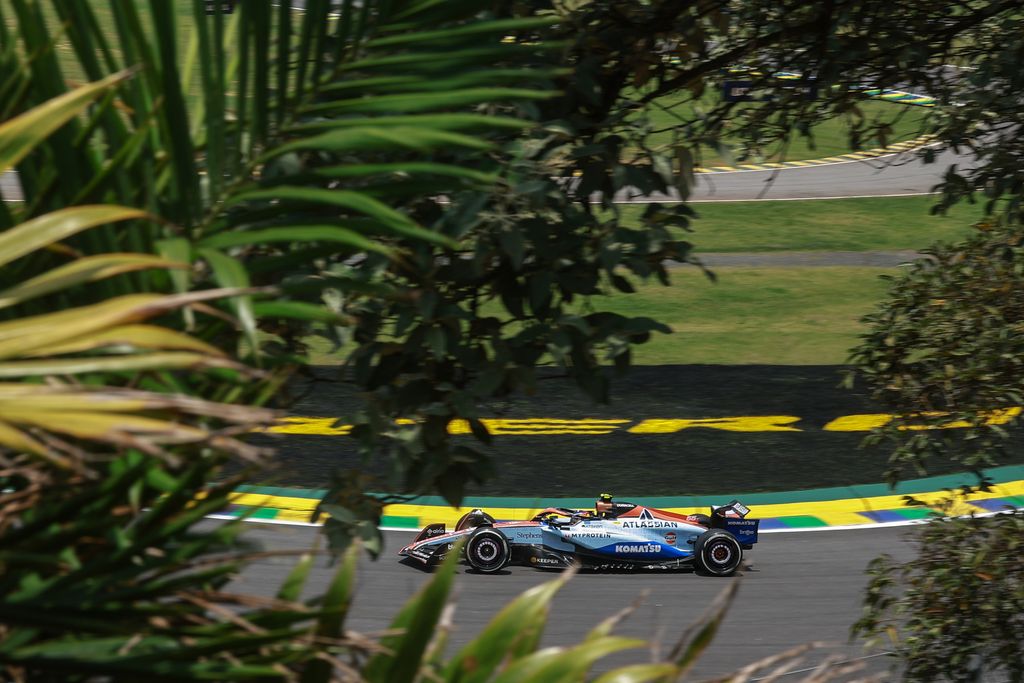
The elevation changes at Interlagos can be easy to underestimate. The circuit drops into the middle sector before climbing all the way back towards the start-finish line. Drivers are almost constantly moving uphill or downhill, which changes how they approach the lap. The climb out of Junção is probably the section most fans notice.
Drivers exit the final corner and immediately start heading uphill towards Turn 1. The more speed they carry onto that straight, the more options they have when they arrive at the braking zone.
Interlagos also runs anti-clockwise, which is relatively unusual in Formula 1. Drivers often talk about feeling it in their necks by the end of the weekend because the long left-hand corners load the body differently from most circuits. The lap isn’t particularly long but it feels busy.
Why Junção matters
The Senna S gets most of the attention, but a lot of overtakes in Turn 1 start much earlier. Junção is the final corner of the lap and feeds directly onto the long uphill run towards the start-finish line. A good exit there can be worth far more than it looks. A driver gets on the power slightly earlier and finds a little more traction, carries a few extra kilometres per hour onto the straight then suddenly they’ve caused the gap to shrink.
That’s where the slipstream comes into play. The car behind can tuck into the disturbed air left by the car ahead and gain speed. Most Formula 1 circuits have places where slipstreaming is important and Interlagos is a prime example.
Another interesting aspect to Interlagos is how patient drivers can be. They’re not always looking for a move immediately. Sometimes they’re focused on getting the best possible exit, staying close through the next sequence of corners and making sure they’re in the right position when the opportunity arrives. If a driver gets a slightly better exit from Junção ção, they can arrive at Turn 1 with options.
The boycott that almost happened
Interlagos is one of Formula 1’s most popular circuits today, but there was a period when drivers wanted nothing to do with it. The original version of the track was almost eight kilometres long, nearly double the length of the current layout. It was fast, demanding and notoriously rough. The bumps became part of the circuit’s identity, although not necessarily in a good way.
By the late 1970s, Formula 1 cars had become significantly quicker and safety expectations were beginning to change. Many drivers felt Interlagos was falling behind.
Ahead of the 1980 Brazilian Grand Prix, several drivers, including reigning world champion Jody Scheckter, pushed for a boycott due to concerns about the surface and the circuit’s safety standards. The race still went ahead, but not without controversy.
Formula 1 eventually moved away while major redevelopment work took place. When the championship returned in 1990, the circuit had been shortened dramatically and modernised to meet contemporary safety requirements. Plenty of historic circuits have disappeared from the calendar or been changed beyond recognition. Interlagos still feels like Interlagos. With the same elevation and counter-clockwise direction, the historical character of Interlagos remains.
What to watch this weekend
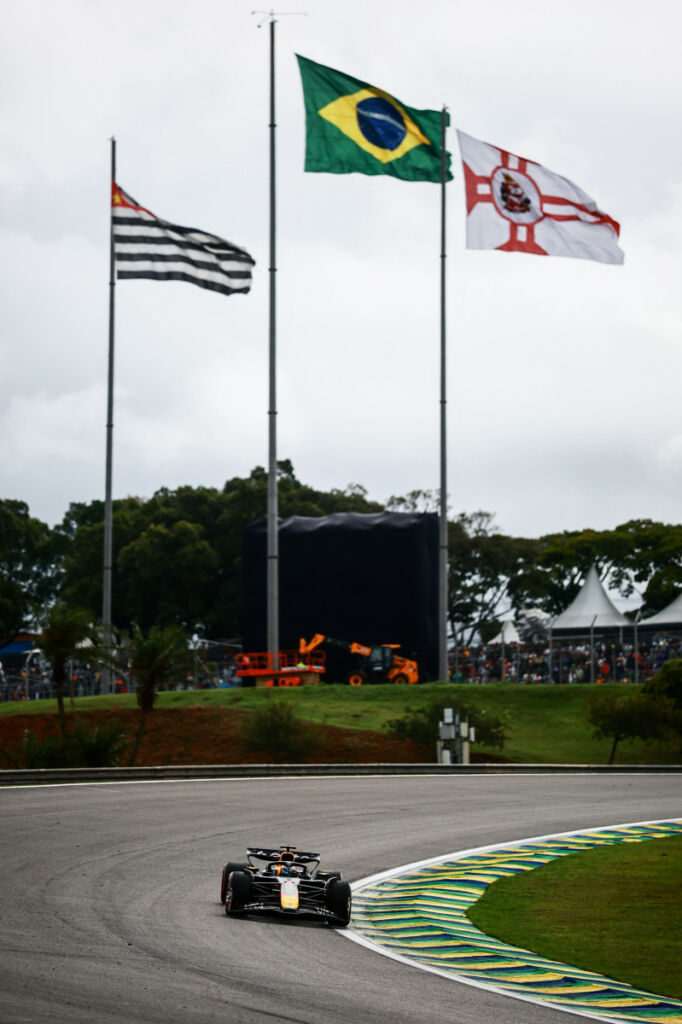
There’s a temptation to focus only on the overtakes but Interlagos is usually more interesting than that. Watch the exits from Junção. Watch which drivers can stay tucked under the rear wing of the car ahead on the climb towards Turn 1. Watch how quickly a comfortable gap can disappear over the course of a few corners.
One driver sacrifices speed in one corner to get a better exit from the next. Another defends aggressively and finds themselves vulnerable a few hundred metres later. Small decisions tend to stick around here. The weather gets most of the headlines and São Paulo has a habit of creating chaos when the rain arrives.
Even in dry conditions, though, there’s a reason drivers and fans keep looking forward to this race. Interlagos doesn’t give anyone an easy lap.
Further track analysis can be found under the circuit profile tag.