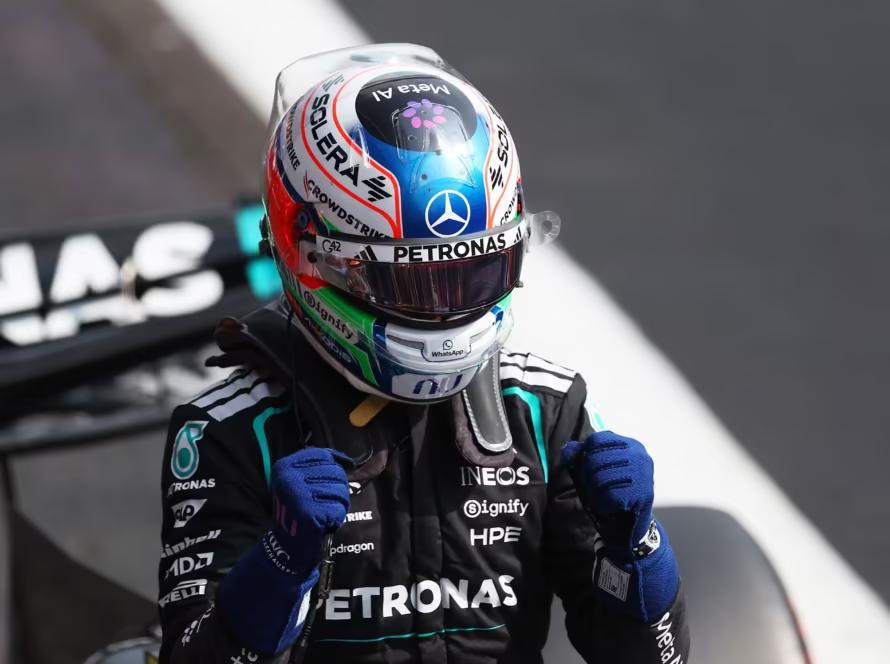
Under the floodlights of Las Vegas or Abu Dhabi, Formula 1 feels less like a traditional sporting event and more like a global spectacle, a clear example of F1 as entertainment in its modern form. Celebrities line the grid, music blares through the paddock, and millions tune in not just for the racing, but for the story. What was once a niche motorsport has evolved into a polished entertainment product. The question is no longer whether Formula 1 is a sport, but how far it has moved towards becoming a show.
At its core, this transformation reflects a broader shift in how audiences consume sport in the modern era.
From racing series to global spectacle
Formula 1 was not always this way. In its early decades, the sport was defined by engineering ingenuity and driver bravery, often with little consideration for the audience beyond the trackside crowd. The appeal lay in the purity of competition and the technological arms race between teams.
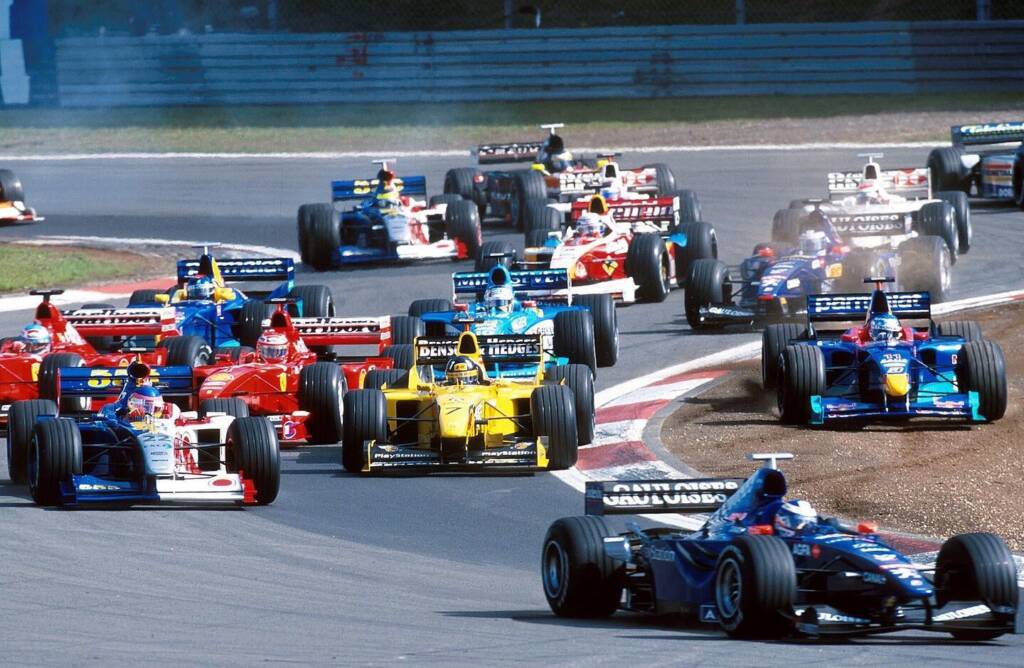
That began to change as the commercial potential of the sport grew. Under Bernie Ecclestone, Formula 1 expanded its global footprint, secured lucrative broadcasting deals and became a premium product for television audiences. Races were no longer just competitions, but events.
This evolution has accelerated in recent years, with F1 as entertainment becoming a central strategic focus. New ownership, digital platforms and a younger, more global audience have pushed Formula 1 further into the realm of entertainment. Today, race weekends are designed not only to deliver sporting drama, but to create a complete experience, both on and off the track.
The Netflix Effect
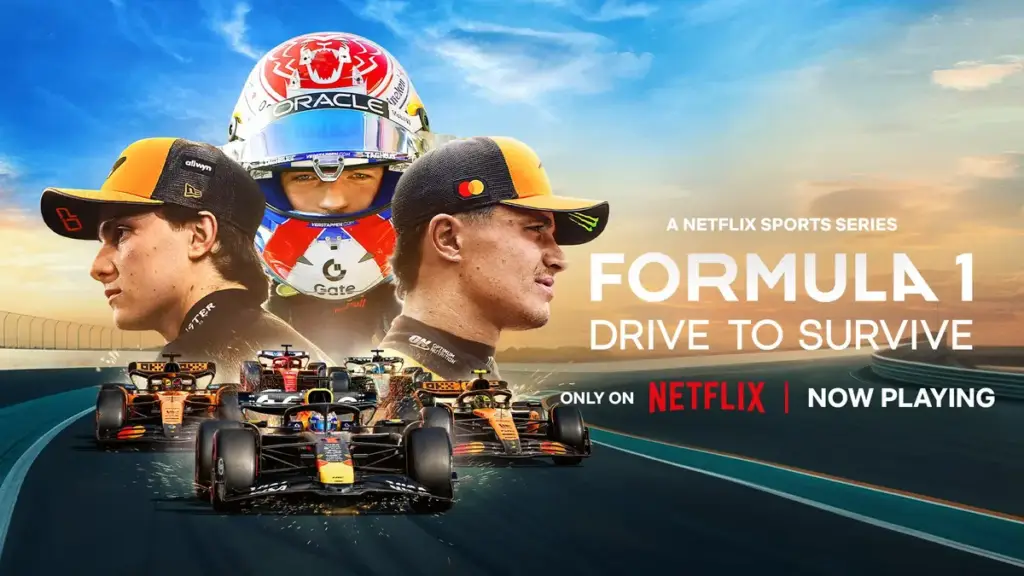
The success of Drive to Survive has redefined how audiences engage with Formula 1, transforming it into a narrative-driven experience and reinforcing the idea of F1 as entertainment.
By focusing on personalities, rivalries and behind-the-scenes drama, the series has made the sport more accessible. New fans are drawn in not just by the racing, but by the human stories that unfold over a season. Drivers become characters, teams become storylines, and each race weekend becomes part of a broader narrative.
This approach has clear benefits. It broadens the audience, deepens emotional engagement and keeps fans invested beyond race day. However, it also raises questions about authenticity. Critics argue that some narratives are exaggerated or simplified, prioritising drama over accuracy.
The result is a sport that increasingly sits at the intersection of reality and storytelling.
Designing the show
The influence of entertainment now extends beyond storytelling and into the structure of the sport itself, reflecting the growing importance of F1 as entertainment.
Recent rule changes have aimed to improve the quality of racing, encouraging closer battles and more overtaking. Aerodynamic adjustments, cost caps and tyre regulations all play a role in creating a more competitive field. Sprint races and alternative formats have also been introduced to add variety and increase engagement across a race weekend.
This reflects a fundamental shift. The objective is no longer solely to determine the fastest car, but to produce compelling racing. In other words, the sport is being designed not just for competition, but for spectacle.
While many fans welcome closer racing, others question whether entertainment should influence the rules of a sport so heavily. It is a delicate balance between enhancing the product and preserving its integrity.
The business of attention
Behind this transformation lies a powerful economic reality, with F1 as entertainment now central to the sport’s commercial model. Formula 1 is not just a competition; it is a global business built on capturing attention.
Revenue streams are closely tied to its entertainment value. Broadcasting rights, sponsorship deals and host city fees all depend on audience size and engagement. The more compelling the product, the more valuable it becomes.
This has driven expansion into new markets and the creation of high-profile events. Races in cities like Las Vegas are designed as much for spectacle as for sport, blending motorsport with entertainment, hospitality and lifestyle experiences.
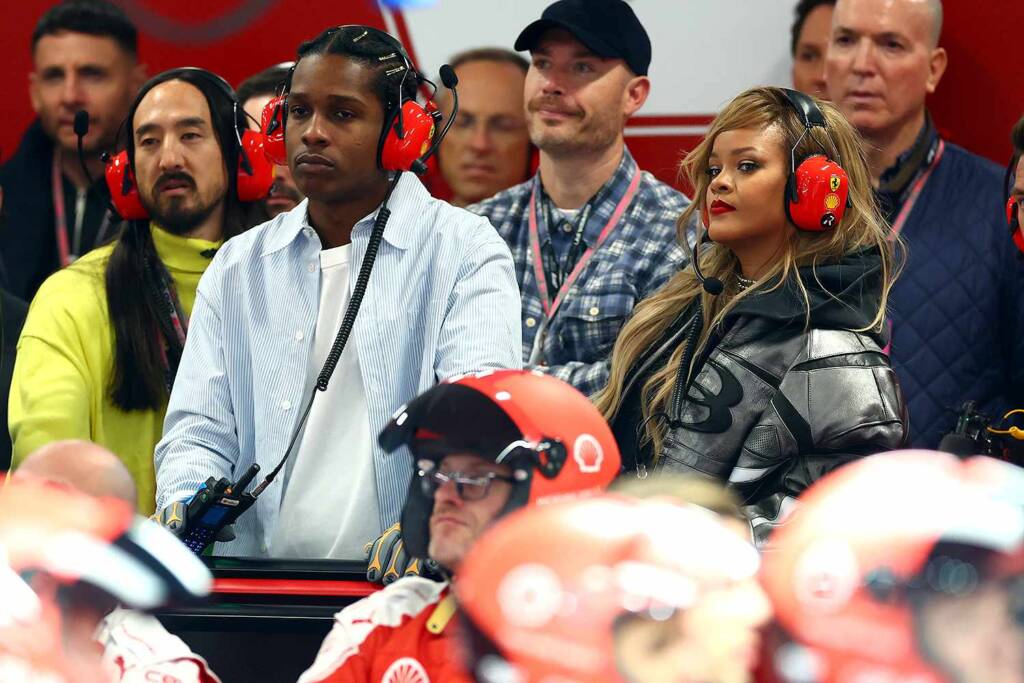
In this context, the shift towards entertainment is not accidental. It is strategic. Formula 1 is competing not just with other sports, but with all forms of entertainment for viewers’ time and attention.
Athletes in the spotlight: Drivers as personalities
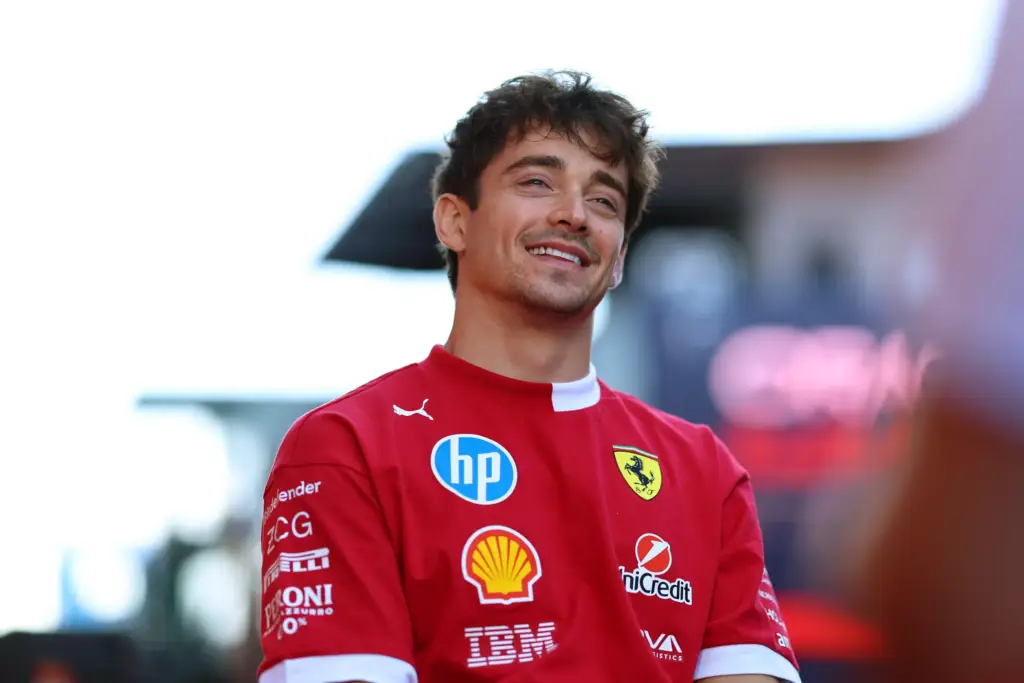
As the sport evolves, so too does the role of its drivers, shaped increasingly by expectations around F1 as entertainment. They are no longer just athletes, but public figures and brand ambassadors.
Social media, media appearances and personal branding have become integral parts of a driver’s career. Fans expect access, personality and authenticity, not just performance on track. This has changed how drivers present themselves and how they connect with audiences.
For some, this is a natural extension of the sport’s growth. For others, it introduces new pressures and distractions. The expectation to perform off-track can be as demanding as the competition itself.
Yet, this visibility also strengthens the connection between drivers and fans. It makes the sport more relatable and engaging, particularly for new audiences.
The balance between sport and show
The central tension remains, particularly as F1 as entertainment continues to expand its influence. As Formula 1 becomes more engaging and accessible, does it risk losing its essence as a sport?
There are valid concerns. Over-commercialisation can dilute authenticity. A focus on spectacle may overshadow technical depth. Long-time fans, who value the engineering and competitive purity of the sport, may feel alienated.
At the same time, this shift has brought undeniable benefits. It has expanded the audience, increased competitiveness and ensured the sport’s financial sustainability. Without this evolution, Formula 1 might struggle to remain relevant in an increasingly crowded media landscape.
Ultimately, the distinction between sport and show may be less clear-cut than it seems. Formula 1 has always contained elements of both. The difference today is the scale and intentionality of its presentation.
The future: Managing the spectacle
Looking ahead, the challenge is to manage the continued growth of F1 as entertainment while preserving the integrity of the sport. The goal is not to choose one over the other, but to strike the right balance.
Maintaining this balance will require careful regulation and thoughtful innovation. Too much emphasis on spectacle could undermine credibility. Too little could limit growth.
The most likely outcome is a continued blending of both elements. New formats, technologies and storytelling approaches will shape the next phase of Formula 1’s evolution.
What remains constant is the core appeal. At its heart, Formula 1 is still about speed, skill and competition. The show exists to amplify that, not replace it.
In the end, Formula 1’s transformation reflects a broader truth about modern sport. It is no longer just about who wins, but how the story is told.