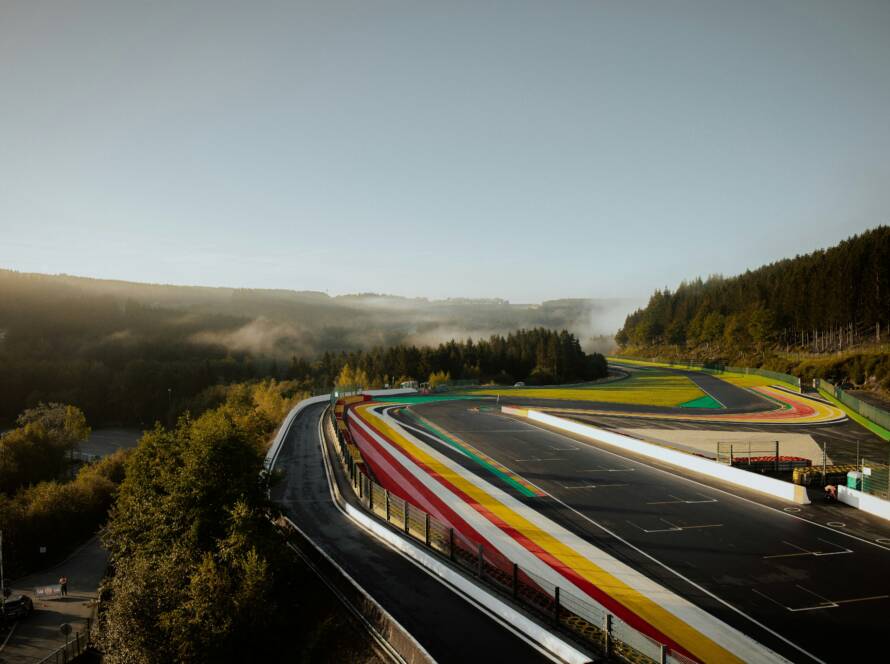
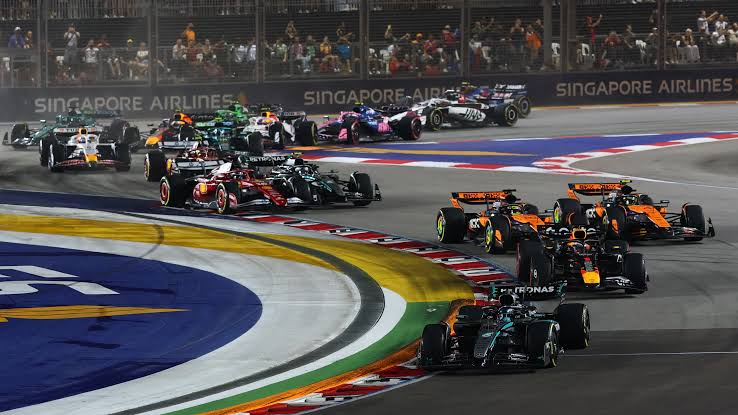
One is defined by the roar of hybrid engines echoing through historic circuits. The other races silently through city streets, powered entirely by electricity. The debate around Formula 1 vs Formula E is no longer just about speed, but about what the future of motorsport should look like. As technology, sustainability and entertainment continue to reshape sport, these two series have become symbols of very different philosophies.
Yet despite their contrasts, both are trying to answer the same question: what does modern racing need to become?
Two different approaches to racing
At the heart of Formula 1 vs Formula E lies the most obvious distinction: how the cars are powered. Formula 1 uses highly advanced hybrid turbocharged engines, combining traditional combustion with electrical energy recovery systems. Formula E, by contrast, is fully electric.
This difference shapes the identity of each series. Formula 1 remains focused on extracting maximum performance, pushing engineering to its absolute limits in pursuit of speed. Formula E places greater emphasis on efficiency, energy management and sustainable mobility.
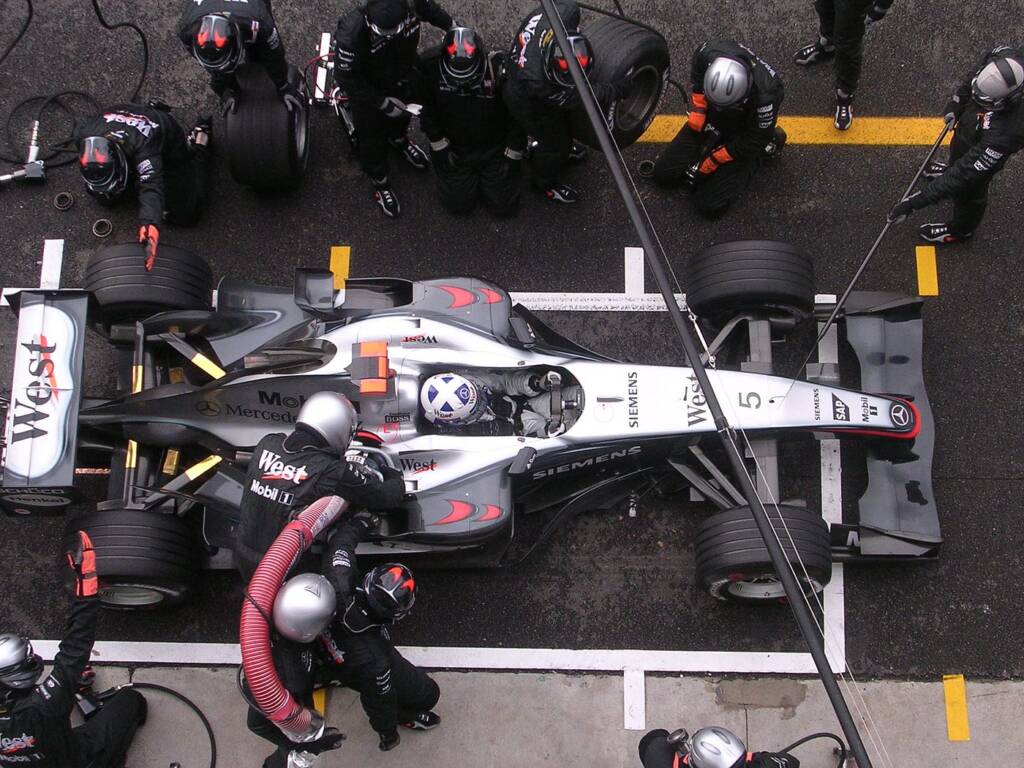
The contrast goes beyond technology. It changes the nature of racing itself. In Formula 1, drivers can push aggressively for long periods, relying on aerodynamic grip and outright pace. In Formula E, managing battery life is central to success. Drivers must constantly balance speed with efficiency, making strategy an even more visible part of the competition.
As a result, the two series reward different forms of excellence.
Speed, skill and the driving experience
Much of the discussion around Formula 1 vs Formula E centres on performance. Formula 1 cars are significantly faster, reaching top speeds above 350 km/h and generating extraordinary levels of downforce. They are designed to operate at the edge of physical possibility.
Formula E cars, while slower in outright speed, offer a very different challenge. Their instant electric torque creates rapid acceleration, particularly on tight street circuits where races are often more compact and unpredictable.
The driving styles also differ considerably. Formula 1 rewards precision under extreme aerodynamic pressure, with drivers managing tyre degradation, braking performance and high-speed cornering forces. Formula E places greater emphasis on adaptability, energy conservation and race management in constantly evolving conditions.
This distinction is important because slower does not mean easier. Formula E drivers operate within a more constrained energy environment, where every decision can affect race outcome. In many ways, the series rewards strategic intelligence as much as outright aggression.
Technology and innovation
The debate around Formula 1 vs Formula E is also a debate about what kind of innovation matters most. Formula 1 has long been regarded as the pinnacle of motorsport engineering, producing breakthroughs in aerodynamics, materials and hybrid systems.
Formula E, however, was built with a different purpose. It acts as a laboratory for electric mobility, accelerating the development of battery technology, regenerative braking systems and energy efficiency solutions that have direct relevance for future road cars.
This distinction has attracted major manufacturers to both championships. For Formula 1, the appeal lies in performance prestige and global exposure. For Formula E, the attraction is alignment with the automotive industry’s transition towards electrification.
Increasingly, the two series are converging in some areas. Formula 1 is investing heavily in sustainable fuels and hybrid efficiency, while Formula E continues improving performance and competitiveness. The comparison is becoming less about old versus new, and more about different pathways to innovation.
Sustainability and the future of motorsport
No conversation about Formula 1 vs Formula E is complete without addressing sustainability. Formula E was created with environmental responsibility at the centre of its identity. From electric powertrains to city-centre racing designed to reduce infrastructure demands, sustainability is woven into its image.
Formula 1 has historically faced greater criticism in this area due to its association with fuel consumption and global logistics. However, the sport is evolving rapidly. It has committed to net-zero carbon targets and is developing fully sustainable fuels intended to preserve combustion technology while reducing environmental impact.
This creates an interesting tension. Formula E represents a future built around electrification, while Formula 1 is attempting to reinvent traditional motorsport through cleaner innovation.
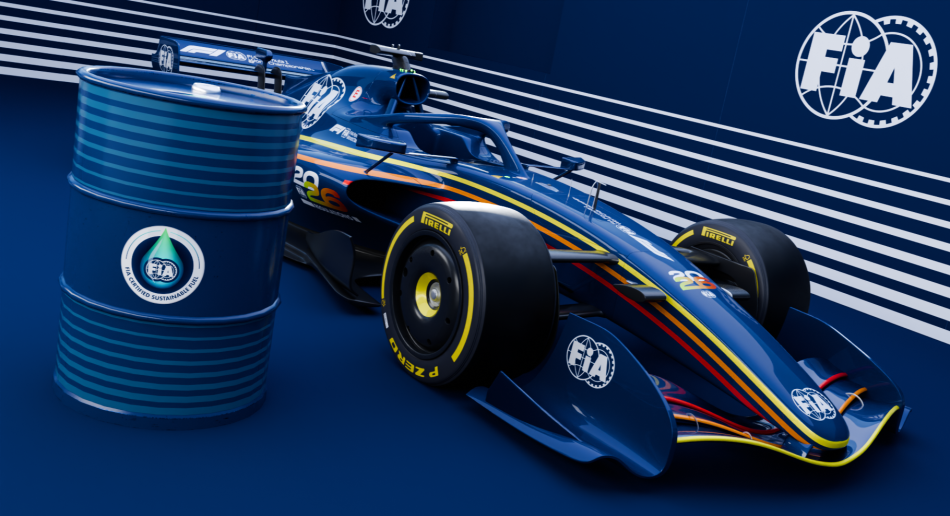
The broader question is whether motorsport can ever be fully sustainable. Both series still rely on international travel, manufacturing and large-scale commercial operations. Yet they also serve as platforms for technological development that may influence wider transportation systems.
In that sense, sustainability in motorsport may be less about perfection and more about direction.
Entertainment, audience and identity
Beyond technology, Formula 1 vs Formula E reflects two very different entertainment experiences. Formula 1 is built on heritage, glamour and global spectacle. Historic circuits, iconic teams and decades of legacy contribute to its cultural weight.
Formula E positions itself differently. Its races are shorter, more urban and intentionally modern in presentation. Events are often staged in city centres, aiming to make motorsport more accessible to younger and more digitally engaged audiences.
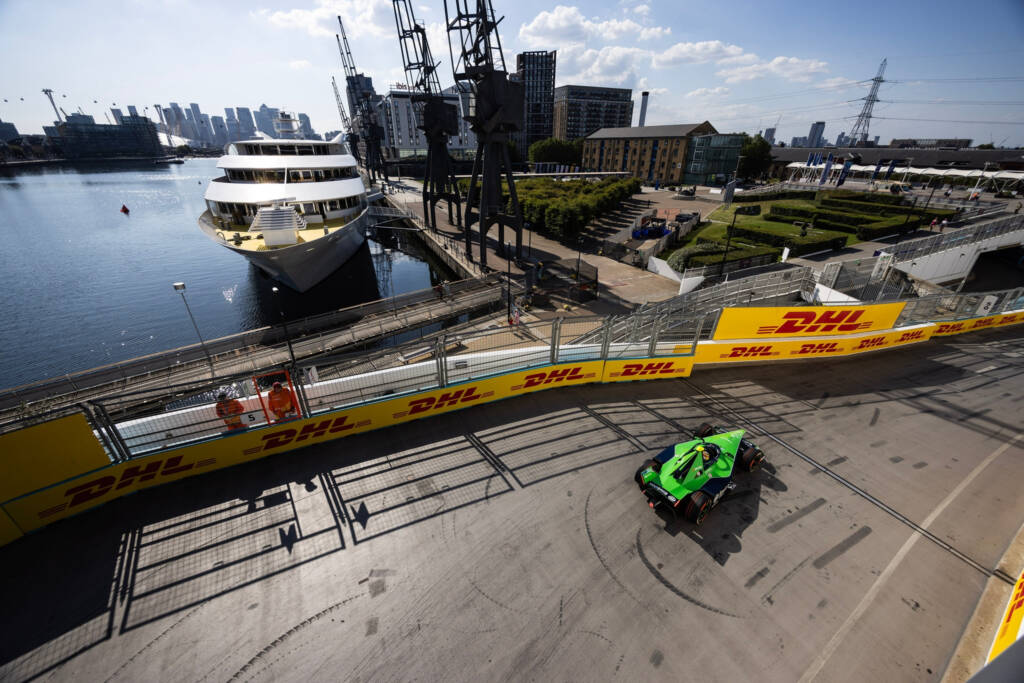
The fan cultures surrounding each series also differ. Formula 1 attracts traditional motorsport enthusiasts alongside a rapidly growing mainstream audience. Formula E appeals strongly to fans interested in sustainability, innovation and the future of mobility.
Digital engagement has become particularly important. Formula E embraced social media and interactive fan experiences early, while Formula 1 has expanded aggressively in this area in recent years through streaming content and behind-the-scenes storytelling.
Both championships are competing not just for viewers, but for cultural relevance.
Two futures, one sport
Ultimately, the discussion around Formula 1 vs Formula E should not be framed as a battle with a single winner. The two series represent different interpretations of what motorsport can become.
Formula 1 continues to embody the pursuit of absolute performance, blending heritage with technological evolution. Formula E represents a more experimental vision, centred on efficiency, sustainability and urban accessibility.
Rather than replacing one another, the two championships may coexist as complementary forms of motorsport. One preserves the emotional intensity and engineering extremes that have defined racing for generations. The other explores how racing can evolve alongside changing technology and environmental expectations.
What unites them is the same core objective: pushing limits through competition.
In the end, the future of motorsport may not belong exclusively to combustion or electricity. It may belong to whichever series can innovate while still delivering the drama, emotion and human performance that make racing compelling in the first place.