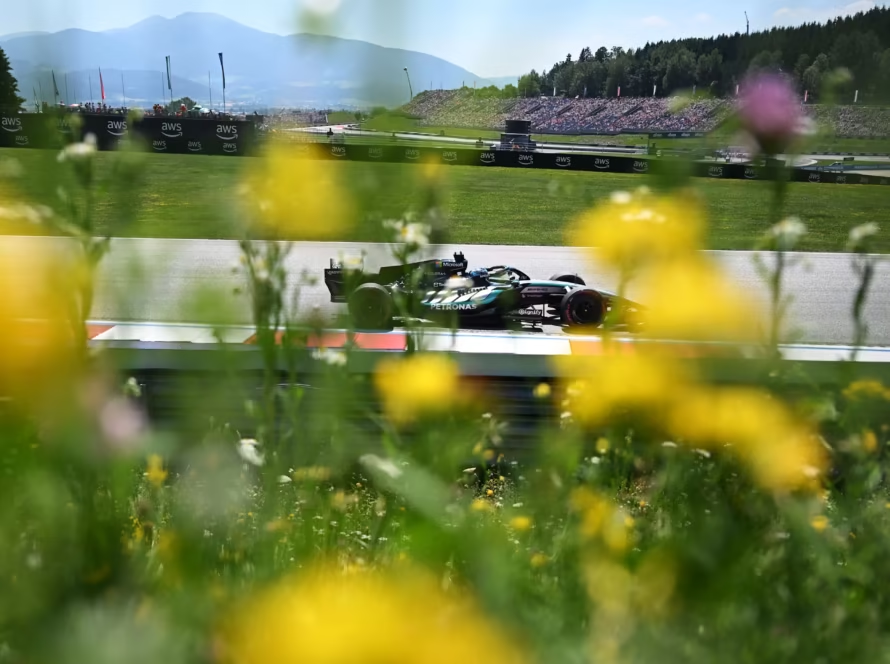
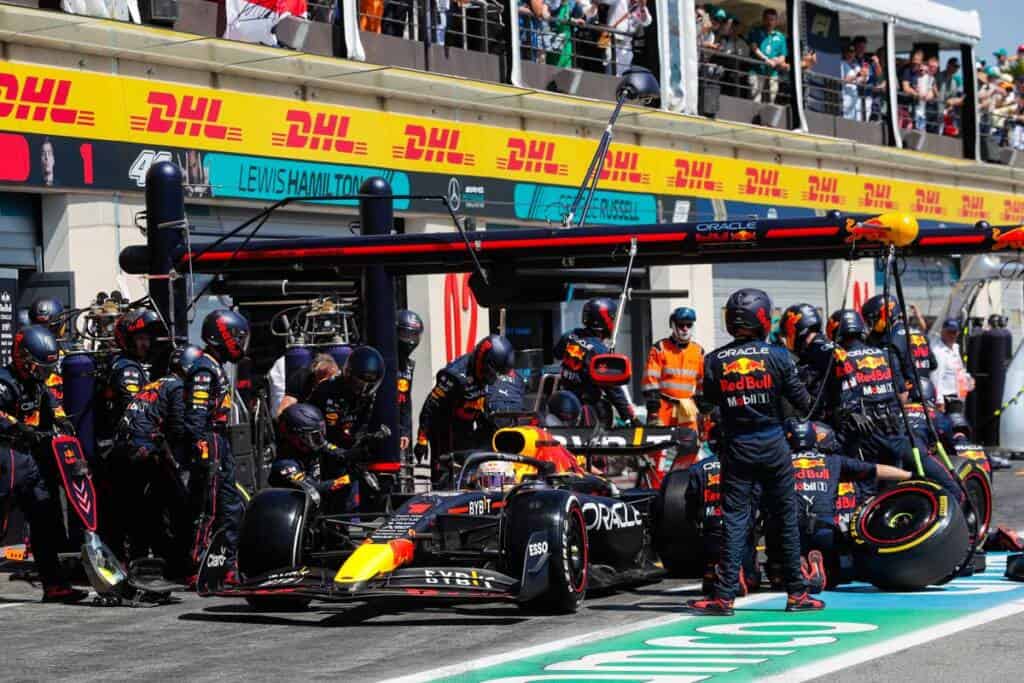
Few moments in sport capture the balance between speed and precision quite like a Formula 1 pit stop. In less than three seconds, more than 20 crew members perform a perfectly choreographed sequence of tyre changes, equipment checks and vehicle release. There is no room for hesitation, yet there is equally no room for error. This remarkable display of pit stop strategy offers valuable lessons for businesses operating in fast-moving, high-pressure environments.
Success, after all, is rarely about being the fastest. It is about being consistently fast without sacrificing quality.
Speed alone isn’t enough
In business, speed is often treated as the ultimate competitive advantage. Organisations celebrate rapid delivery, faster product launches and quicker decision-making. While agility is undoubtedly valuable, moving quickly without the right processes can create costly mistakes.
Formula 1 demonstrates this perfectly. A pit crew is not rewarded simply for changing tyres in record time. Every wheel must be secured correctly, every tool must function flawlessly, and the driver must only be released when it is completely safe to do so. A mistake lasting a fraction of a second can result in race-ending consequences or penalties.
The real value of pit stop strategy lies in recognising that speed only creates value when paired with precision. Businesses face the same challenge. Rushing projects, overlooking quality checks or making poorly informed decisions may appear efficient in the short term, but often create greater costs later through rework, delays or customer dissatisfaction.
True operational excellence comes from eliminating unnecessary delays while preserving accuracy.
Precision is built long before the pressure arrives
Watching a Formula 1 pit stop can make it appear effortless. In reality, every movement is the result of extensive preparation. Crew members rehearse thousands of pit stops throughout a season, refining their positioning, communication and timing until every action becomes instinctive.
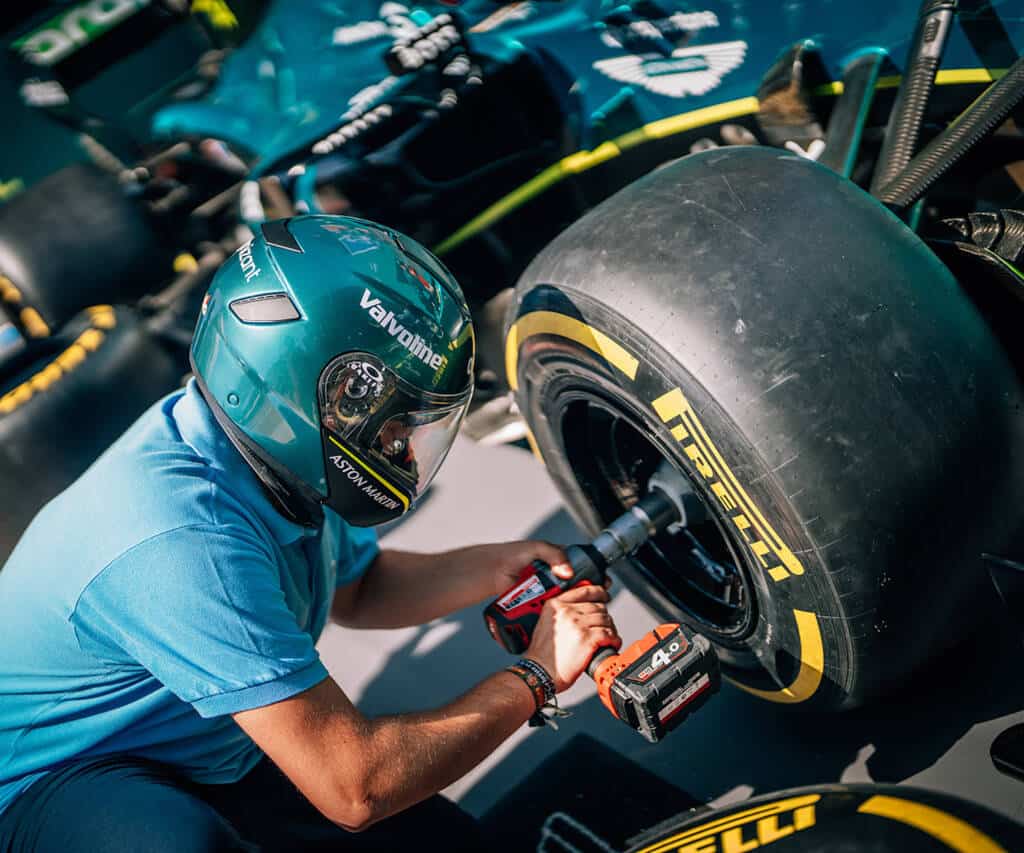
This is where pit stop strategy becomes particularly relevant for organisations. High performance during moments of pressure is rarely improvised. It is built through preparation, repetition and continuous refinement.
Successful businesses invest heavily in systems before they need them. Processes are documented, responsibilities are clearly defined and employees are trained to respond consistently under pressure. This preparation reduces uncertainty when unexpected situations arise.
When teams know exactly what is expected of them, they spend less time thinking about the process and more time executing it.
Every second depends on teamwork
One of the most remarkable aspects of a Formula 1 pit stop is that no individual can complete the task alone. Every crew member has a highly specialised role, yet success depends entirely on collective execution.
The same principle sits at the heart of effective pit stop strategy. Each person performs a specific task, but everyone understands how their contribution fits into the wider objective.
Business operations work in much the same way. Product development, logistics, finance, customer support and sales may all operate independently, but customers experience only the final outcome. A breakdown in one area affects the performance of the entire organisation.
High-performing teams avoid confusion by establishing clear roles, standardised processes and concise communication. They trust each other because everyone understands both their responsibilities and those of the people around them.
When trust replaces uncertainty, execution becomes significantly faster.
Continuous improvement never stops
Formula 1 teams analyse every pit stop in extraordinary detail. They review video footage, examine timing data and identify even the smallest opportunities for improvement. Saving one tenth of a second may seem insignificant, but over an entire season those marginal gains can prove decisive.
This mindset is central to effective pit stop strategy. Excellence is never considered finished. Every performance becomes another opportunity to learn.
Businesses often focus heavily on delivering projects but spend comparatively little time analysing how those projects were delivered. Valuable lessons are missed because teams move immediately to the next deadline.
Continuous improvement requires curiosity rather than blame. Instead of asking who made a mistake, high-performing organisations ask what the process can teach them. Over time, these small improvements compound into meaningful competitive advantages.
Success is rarely the result of one dramatic breakthrough. More often, it is built through hundreds of incremental refinements.
Balancing speed with risk
One reason Formula 1 pit stops remain so compelling is the constant trade-off between speed and risk. Teams know that pushing for the fastest possible stop increases the possibility of mistakes. Playing it too safe, however, may cost valuable track position.
This balancing act defines modern pit stop strategy and mirrors the decisions businesses face every day.
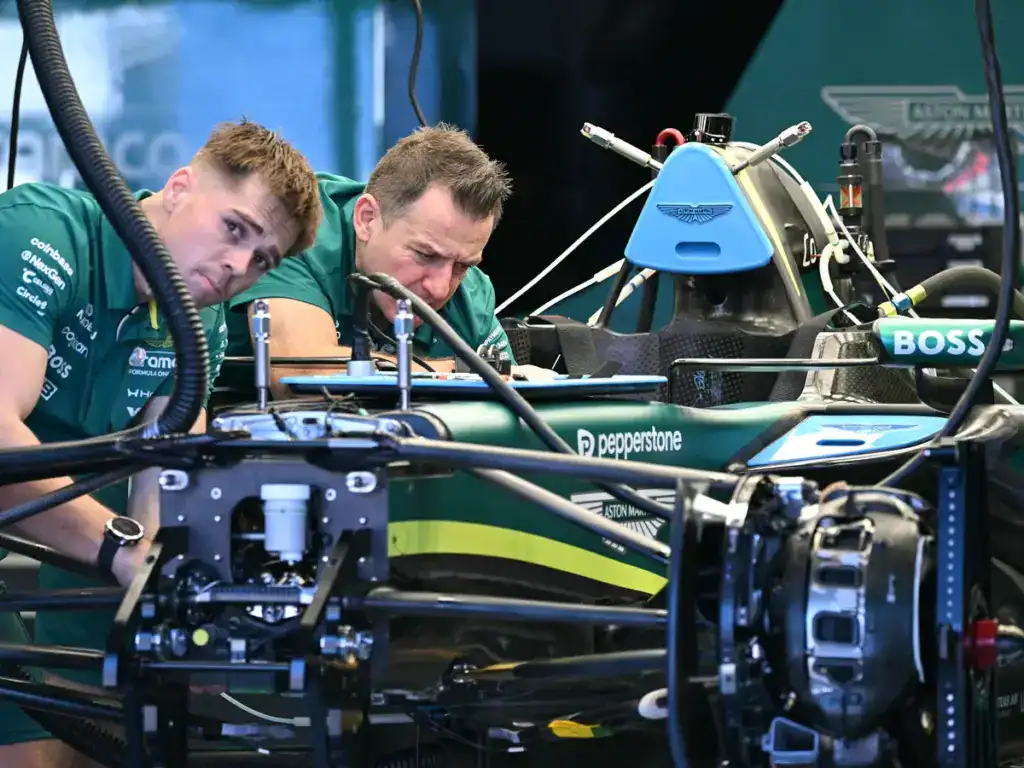
Organisations regularly weigh speed against quality, innovation against certainty and efficiency against resilience. There is rarely a perfect answer because every decision involves compromise.
The goal should not be to eliminate risk altogether. Instead, businesses should develop systems capable of managing risk while maintaining momentum. Formula 1 teams accept that perfection is impossible, but they work relentlessly to reduce the likelihood and impact of errors.
The best organisations understand that intelligent risk management enables speed rather than slowing it down.
Winning before the race is won
Formula 1 is often remembered for dramatic overtakes and spectacular finishes, yet many races are effectively won in the pit lane. A perfectly executed stop can gain valuable positions, while a single mistake can undo an otherwise flawless performance.
Ultimately, pit stop strategy is about far more than changing tyres. It represents a philosophy of preparation, teamwork, precision and continuous improvement.
The same principles apply far beyond motorsport. Whether launching a new product, responding to a crisis or managing complex operations, success depends on building systems that allow people to perform consistently under pressure.
The fastest organisations are not always those that move first. More often, they are the ones that have prepared so thoroughly that speed becomes the natural outcome of precision.
In business, just as in Formula 1, sustainable success is rarely achieved by rushing. It is achieved by ensuring that every second counts.