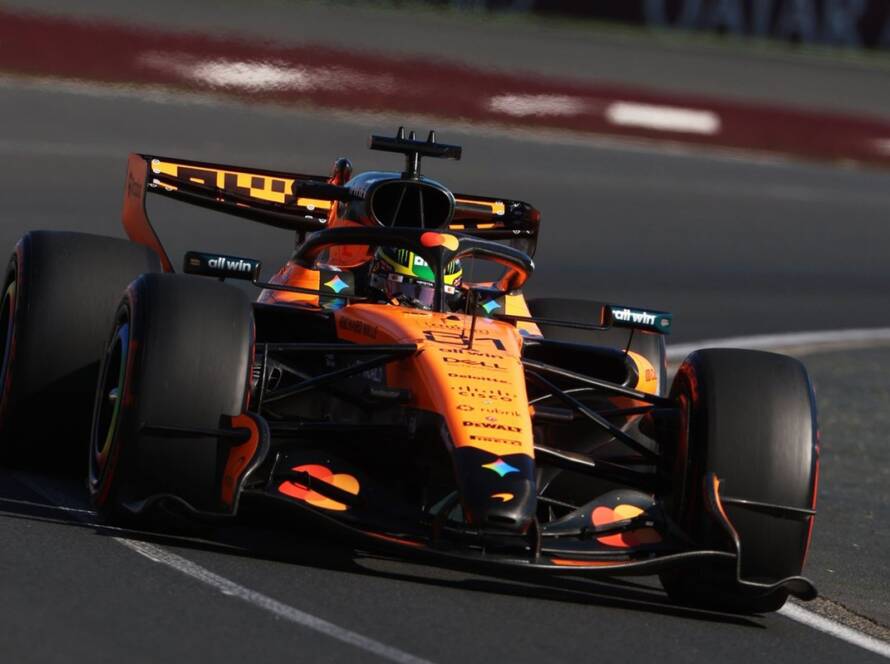
A Formula 1 car can travel at speeds exceeding 350 km/h, generating forces that push both machine and driver to their limits. It is a sport built on performance, innovation and the relentless pursuit of marginal gains. Yet as industries around the world face growing pressure to reduce their environmental impact, motorsport finds itself at a crossroads. The debate around sustainable motorsport has become one of the defining challenges shaping the future of Formula 1.
The question is no longer whether sustainability matters. It is whether a sport built on speed can truly reconcile itself with a world increasingly focused on environmental responsibility.
The sustainability problem F1 can’t ignore
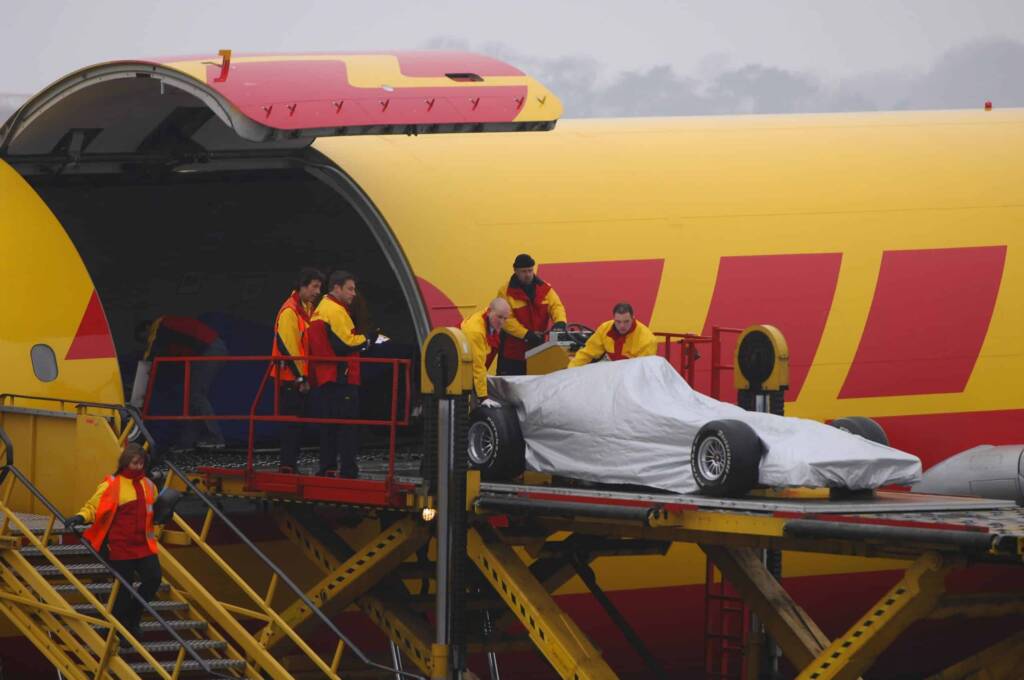
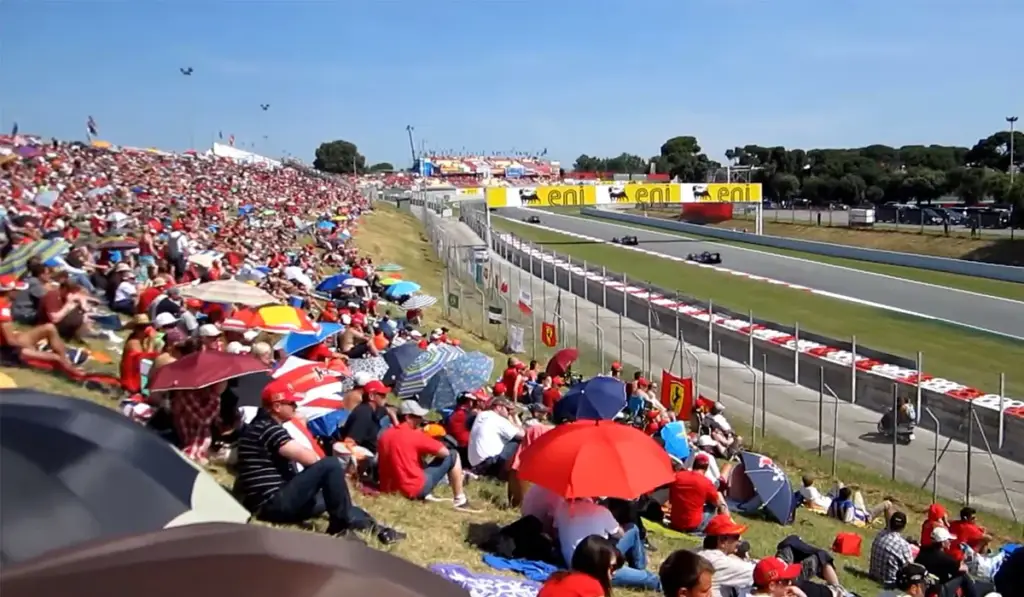
Formula 1 has always been a global sport. Teams travel across multiple continents, transporting cars, equipment and personnel to more than 20 races each season. Millions of fans attend events, while a vast infrastructure operates behind the scenes to keep the championship running.
For many critics, this creates an obvious contradiction. A sport that relies on extensive travel and resource-intensive operations can appear fundamentally at odds with modern sustainability goals.
Yet the reality is more nuanced than many assume. The fuel consumed by the cars themselves represents only a fraction of Formula 1’s overall environmental footprint. Logistics, freight, manufacturing and event operations contribute far more significantly to total emissions.
The challenge for sustainable motorsport extends far beyond the race car itself. Addressing environmental impact requires changes across the entire ecosystem, from transportation networks to supply chains and event management.
This complexity is precisely what makes the sustainability conversation so difficult. There are no quick fixes, only long-term trade-offs and gradual improvements.
How Formula 1 is reinventing performance
While Formula 1 often attracts criticism for its environmental impact, it is also one of the world’s most advanced engineering laboratories. Throughout its history, the sport has served as a testing ground for technologies that later found their way into everyday vehicles.
Modern Formula 1 power units are a prime example. Today’s hybrid engines recover energy that would otherwise be lost during braking and convert it into additional performance. The result is an extraordinary combination of power and efficiency that would have seemed impossible only a few decades ago.
The sport is now pushing even further through the development of sustainable fuels. Rather than abandoning internal combustion entirely, Formula 1 aims to create fuels capable of delivering elite performance while significantly reducing lifecycle carbon emissions.
Supporters argue that sustainable motorsport can drive innovations that eventually benefit millions of road users. The technologies developed under the intense demands of racing often accelerate progress in ways that traditional research environments cannot.
For Formula 1, sustainability is increasingly becoming another engineering challenge to solve rather than a limitation to overcome.

The contradiction at the heart of F1
Despite these technological advances, Formula 1 still faces a difficult reality. The sport continues to expand globally, adding races in new markets and increasing its international reach.
This growth has obvious commercial benefits, but it also raises questions about environmental consistency. Every additional race requires transportation, infrastructure and resources. The sport may be reducing emissions in some areas while increasing them in others.
This is the central contradiction. Formula 1 is simultaneously trying to become more sustainable while growing as a global entertainment product.
Yet critics question whether sustainable motorsport can truly exist within a global spectacle of this scale. For some, sustainability initiatives risk appearing symbolic if they are not matched by broader structural changes.
Supporters counter that transformation takes time. They argue that expecting immediate perfection ignores the complexity of the challenge and the progress already being made.
Both perspectives contain elements of truth. The tension between ambition and reality is unlikely to disappear anytime soon.
Formula E and the alternative vision
While Formula 1 focuses on sustainable fuels and hybrid technology, Formula E represents a different approach. Built around fully electric racing, the championship was designed with sustainability at the centre of its identity.
Formula E races on temporary street circuits, promotes electric mobility and positions itself as a platform for future transportation technologies. Its philosophy is based on demonstrating what electric performance can achieve rather than improving combustion-based systems.
Formula E represents a different interpretation of sustainable motorsport, one built around electrification from the outset. This makes it a useful comparison point when discussing Formula 1’s future.
However, the relationship between the two championships is often misunderstood. Formula E is not necessarily replacing Formula 1, nor is Formula 1 attempting to become Formula E. Instead, they represent different responses to the same challenge.
One seeks to reinvent existing technologies. The other seeks to accelerate the adoption of new ones. Both approaches offer valuable insights into how motorsport may evolve over the coming decades.
Read more about Formula E here.
What fans expect from the future of racing
Technology alone will not determine the future of motorsport. Fans remain central to the equation.
For decades, Formula 1 has been defined by speed, spectacle and engineering excellence. The sound of the engines, the intensity of wheel-to-wheel battles and the pursuit of ultimate performance have shaped the sport’s identity.
Today, however, audience expectations are changing. Many fans, particularly younger generations, expect major organisations to demonstrate environmental responsibility alongside commercial success.
Audience expectations are increasingly shaping the future of sustainable motorsport. The challenge is ensuring that sustainability enhances the sport rather than diminishing the qualities that make it compelling.
This balancing act requires careful management. Formula 1 must continue delivering excitement while proving that innovation can also address broader societal concerns.
If successful, sustainability may become another source of competitive advantage rather than a constraint on performance.
Can Formula 1 have both?
The future of Formula 1 will likely be defined by its ability to balance competing priorities. Speed remains central to the sport’s identity, but environmental responsibility is becoming increasingly important to its long-term relevance.
The path forward will probably involve multiple solutions rather than a single breakthrough. Sustainable fuels, more efficient logistics, cleaner energy sources and ongoing technological innovation will all play a role.
Ultimately, the success of sustainable motorsport will depend on proving that performance and responsibility are not mutually exclusive. The goal is not to choose between speed and sustainability, but to demonstrate that both can coexist.
Formula 1 has always thrived on solving difficult problems. From engineering challenges to regulatory changes, the sport’s history is built on adaptation and innovation.
The sustainability challenge may be its most complex test yet. But if Formula 1 can find a way to balance environmental progress with the pursuit of performance, it may once again prove that the future of racing is not about accepting limits, but redefining them.