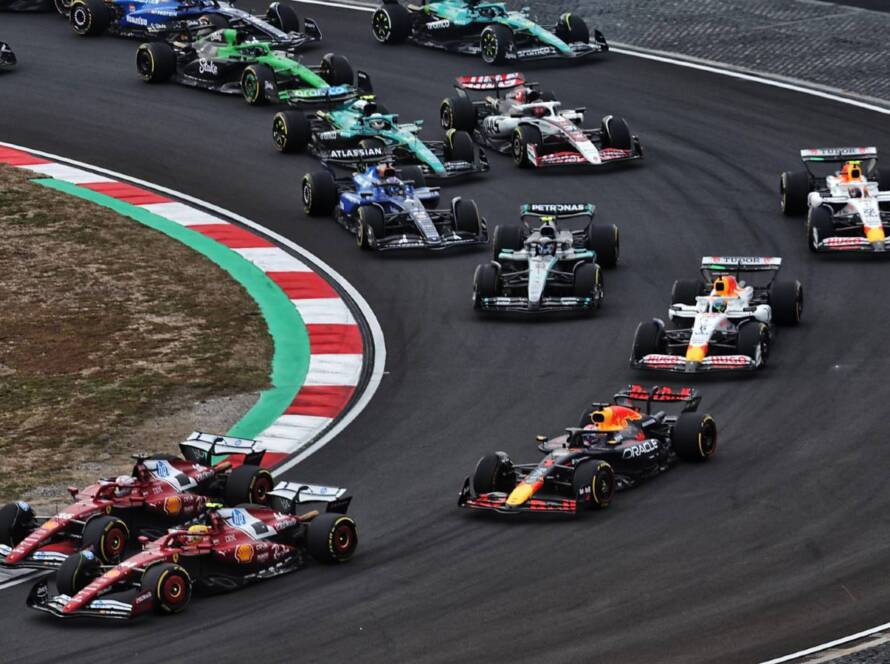
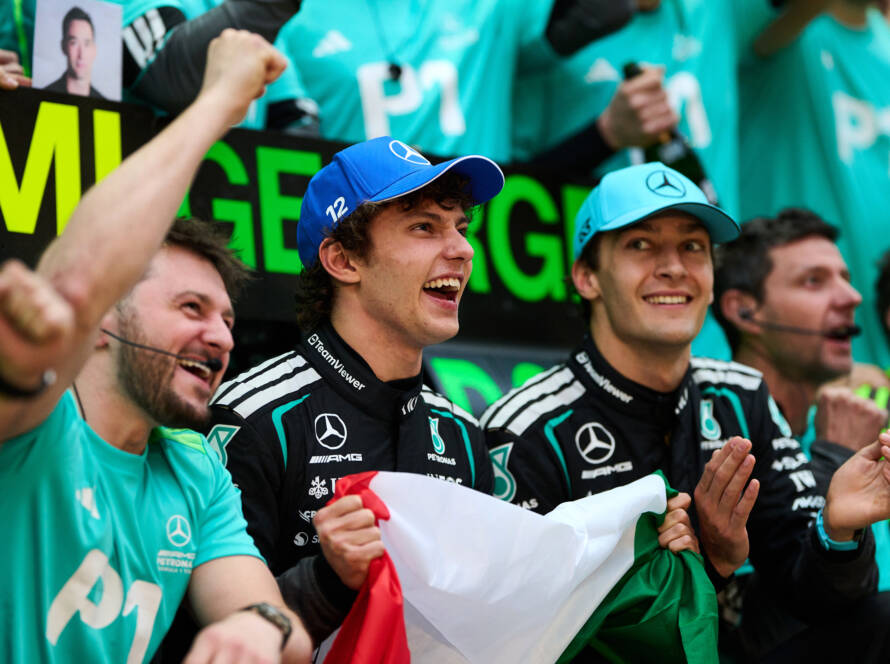
“The Pinnacle of motorsports,” that is how many describe Formula 1. It is where the world’s fastest drivers compete in some of the most technologically advanced machines ever created. Yet in recent years, Formula 1 has evolved into something more than a sporting spectacle. It has become a luxury product in its own right.
Today, Formula 1 exists at the intersection of sport, entertainment, technology, and high fashion. From designer collaborations and celebrity-packed paddocks to exclusive hospitality experiences and multimillion-dollar sponsorship deals, the championship has positioned itself as one of the most desirable brands in the world.
A short view back to the past
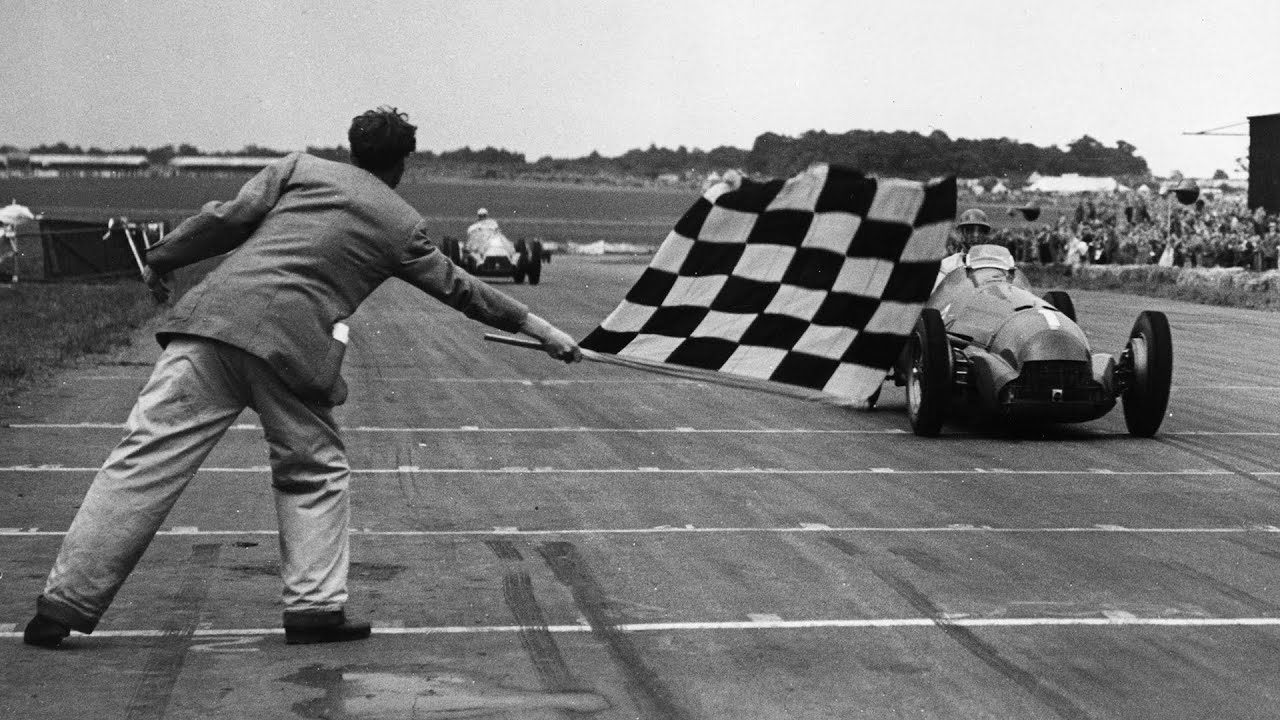
The relationship between Formula 1and luxury is hardly new. Since the championship’s inception in 1950, glamour has been woven into its identity. Historic venues such as Monaco transformed Grand Prix weekends into social events where royalty, business leaders, and celebrities mingled alongside drivers and team principals. Unlike many other sporting competitions, Formula 1 was never confined to stadiums. Instead, it took place in some of the world’s most prestigious locations, creating an aura of exclusivity that continues to define the sport today.
However, the modern era has elevated this connection to unprecedented levels. Luxury brands increasingly view Formula 1 as a gateway to affluent, globally connected audiences. As the sport’s popularity has surged, particularly among younger demographics, partnerships between teams and luxury houses have become more common and more ambitious.
Fashion: a sportsman’s expression
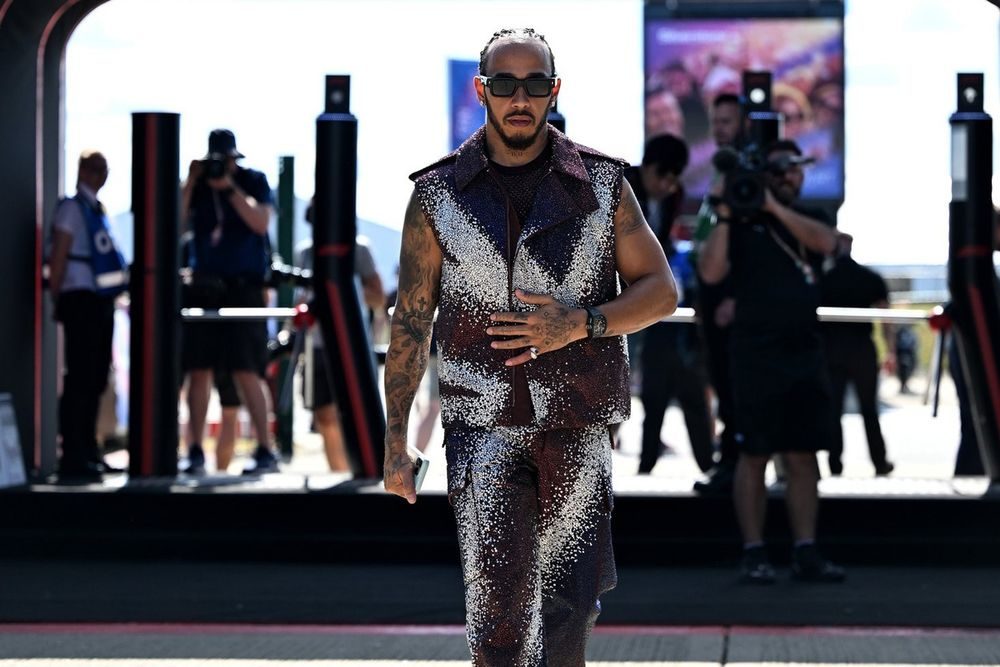
Fashion brands have been among the most visible participants in this transformation. The paddock, once dominated solely by team uniforms and sponsor logos, has become a runway of its own. Drivers are now global style icons, regularly appearing at fashion weeks, magazine covers, and luxury campaigns. Their influence extends far beyond the racetrack, allowing brands to tap into audiences that may have little interest in motorsport itself.
Teams have also embraced the trend. Special edition apparel collections, designer collaborations, and lifestyle-focused merchandise have become valuable revenue streams. These partnerships allow Formula 1 organisations to present themselves not merely as racing teams, but as premium lifestyle brands.
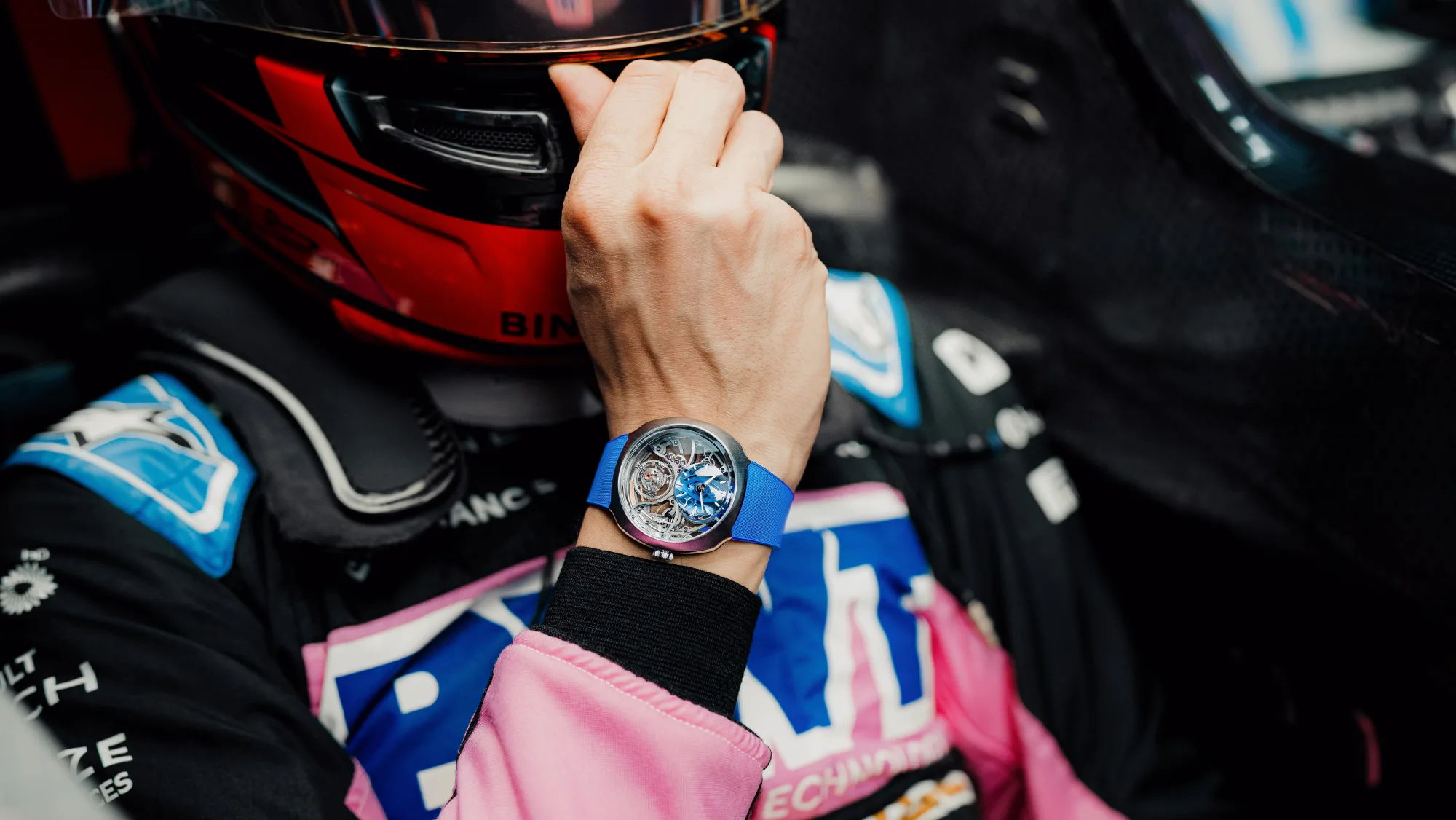
Luxury watchmakers represent another pillar of Formula 1’s identity. Precision timing lies at the heart of motorsport, making the relationship between racing and horology a natural one. For decades, some of the world’s most prestigious watch manufacturers have used Formula 1 as a platform to showcase engineering excellence, craftsmanship, and performance, qualities that resonate strongly with the sport’s ethos.
The F1 experience
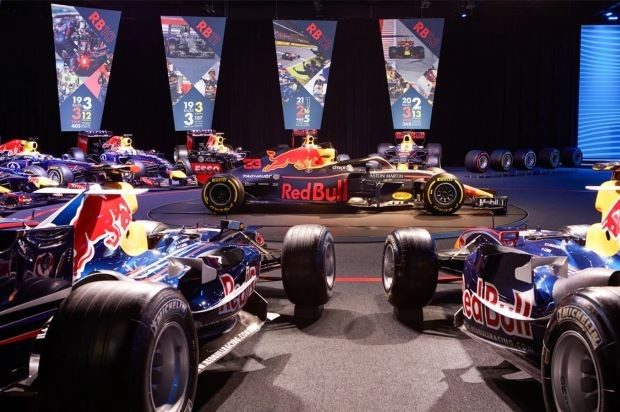
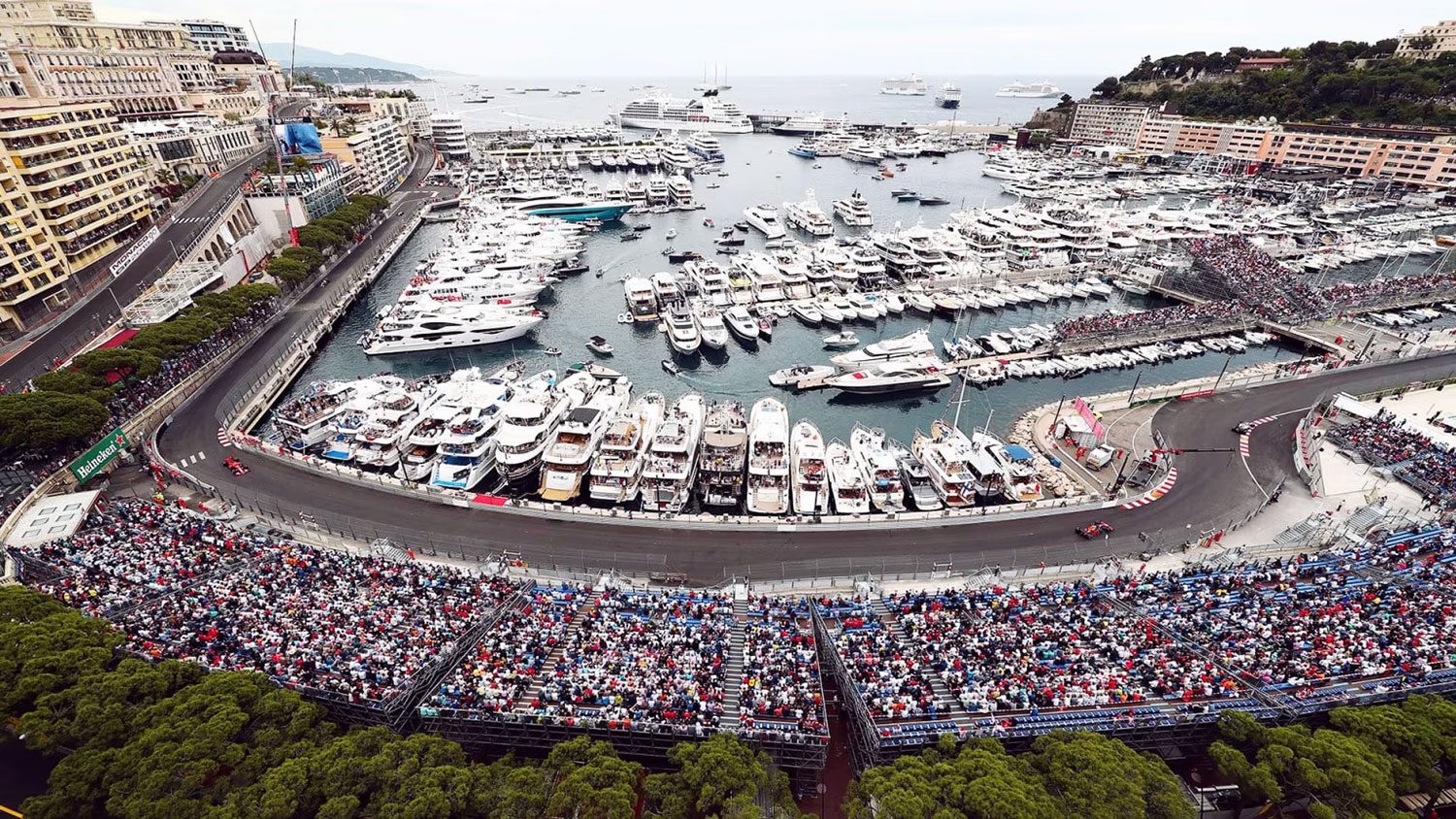
Beyond fashion and watches, Formula 1’s luxury appeal is perhaps most evident in the experiences it offers. The Paddock Club, private yacht parties in Monaco, and exclusive hospitality suites provide access that many fans can only dream of. For corporate clients and affluent spectators, attending a Formula 1 race is no longer simply about watching cars circulate a circuit. It is about networking, entertainment, and participation in an elite global community.
The sport’s expansion into new markets has only strengthened this image. Races in destinations such as Miami, Las Vegas, and Abu Dhabi have been designed as week-long spectacles, blending motorsport with concerts, fine dining, luxury retail, and celebrity culture. Formula 1 has become an event as much as a competition.
The inaccessibility of sport
Critics argue that this increasing focus on luxury risks alienating traditional fans. Rising ticket prices and the growing emphasis on exclusivity have sparked concerns that the sport is becoming less accessible. Formula 1’s challenge moving forward will be balancing its prestigious image with the passionate fanbase that has supported it for generations.
Yet there is no denying that luxury has become one of Formula 1’s defining characteristics. In an increasingly competitive sports market, the championship has successfully differentiated itself by offering more than racing. It sells aspiration, prestige, and access to a world that few can enter.
Formula 1 remains, first and foremost, a sport. Drivers still chase elusive tenths of a second, engineers still attempt to extract extra pace and performance out of the monoplaces they construct, and championships are still won and lost on track. But in the modern era, the spectacle surrounding the competition has become nearly as important as the competition itself. It is this unique combination of speed and sophistication that has transformed Formula 1 into one of the world’s most powerful luxury brands, for better or for worse.