Two Grands Prix, two collisions, two verdicts that felt like they belonged to different rulebooks. That contrast is exactly why the conversation around Formula 1’s stewarding reform refuses to go away.
At F1 Spa, Charles Leclerc squeezed Oscar Piastri into the wall at Les Combes and escaped with nothing more than a note in the stewards’ file. A few minutes earlier, Lewis Hamilton took a five second penalty for a first lap racing incident with George Russell. Plenty in the paddock had considered that penalty to be no more clear cut.
One week later, in Budapest, Carlos Sainz passed seven blue flag panels before making contact with Piastri anyway. The stewards halved his penalty because the very system built to warn him had partly failed.
Every one of these calls can be defended in isolation. Stacked together across a single season, they raise a bigger question: has F1’s approach to officiating kept pace with the sport it governs?
A season of contradictions
The numbers tell their own story. Through the opening rounds in Australia, China and Japan, not a single penalty was issued on a superlicence. This is a sharp break from five points over the same stretch in 2025 and eight in 2024. Stewards have visibly leaned lenient in 2026, a deliberate response to years of drivers arguing the points system punished racing rather than recklessness.
And yet, leniency has not meant consistency. At Spa, the stewards initially waved through Leclerc’s move as a racing incident. Weeks A week later, they admitted during a driver meeting in Hungary that it should have carried a five second penalty. No result was changed.
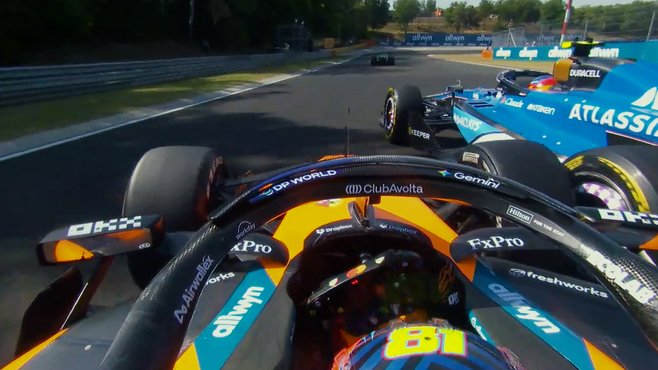
In Budapest, Sainz was handed a reduced penalty after stewards accepted that a malfunctioning automatic blue flag system had genuinely limited his visibility of Piastri. His own engineer had radioed a warning and he passed seven flashing panels beforehand.
Hamilton, and many other drivers, picked up penalties in Monaco for a pit lane speeding infringement measured at 0.1km/h over the limit. It was later found to be complicated by an unannounced change to the pit entry barriers.
Three different incidents. Three different reasoning processes. One shared theme: mitigating factors that seem to shift depending on the weekend.
Patching a system under strain
To be fair to the FIA, 2026 was never meant to be a season without change. Following a tense meeting in Qatar last year, the governing body rewrote its driving standards guidelines so that penalty points now apply only to actions judged dangerous, reckless or deliberate. It handed stewards new self review powers, letting them revisit their own decisions when significant new evidence emerges.
It created an out of competition panel of five experienced officials who can rule on complex or time sensitive cases remotely, between race weekends. Extra funding, secured through the new Concorde Agreement, has been earmarked to strengthen stewarding resources further. Three Driver Stewards and all former racers carry more weight in cases where the guidelines offer no clean answer.
These are not small changes. They represent real stewarding reform in the procedural sense. But they are, by design, adjustments to a rotating volunteer model rather than a rebuild of it. The panel that rules on a Silverstone clash is rarely the same panel that rules on a similar clash in Budapest. Every fresh face brings fresh interpretation.
The FIA has made the existing system fairer and faster. It has not yet answered the drivers’ more fundamental question, which is whether the system itself is still fit for a 24 race calendar and a grid this closely matched.
The case for structural stewarding reform
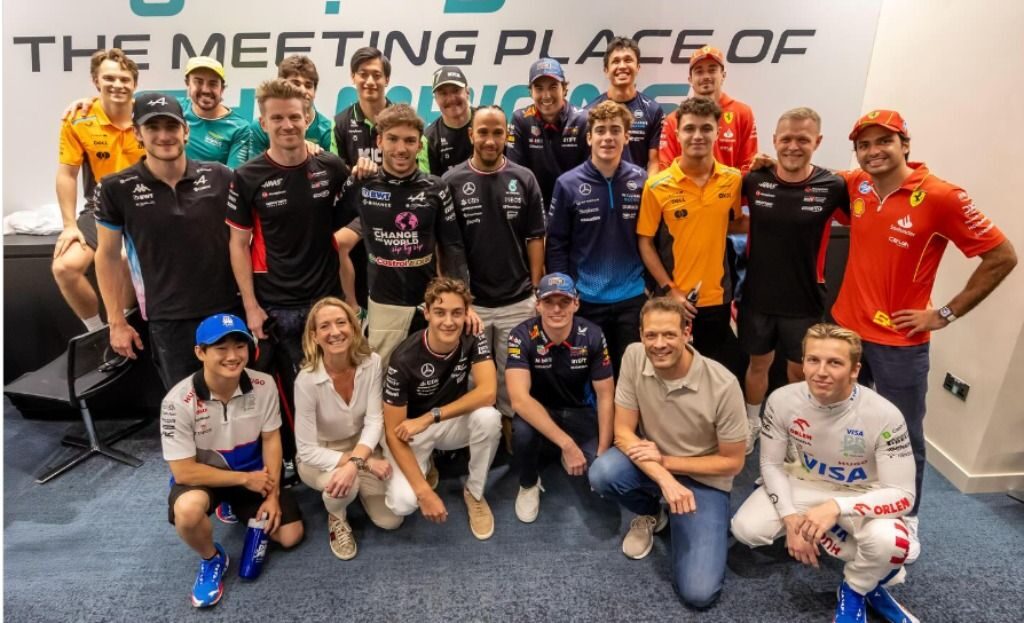
That fundamental question has a name on the grid: professionalisation, the version of stewarding reform drivers actually want. Russell, speaking as a director of the Grand Prix Drivers’ Association, has repeatedly pushed for a small panel of salaried, full time stewards with racing backgrounds. He argued that continuity of judgement across every weekend would do more for consistency than any rewritten guideline.
Sainz has made a similar case, dismissing the idea that F1 lacks the money to fund it. “I think I have a pretty good excuse for what happened,” Sainz said of the Piastri clash. It was a small comment that captured something larger, a driver reaching for context because he no longer trusts the guidelines alone to provide it.
FIA President Mohammed Ben Sulayem has not rejected the idea outright. However, he has consistently pushed back on who should pay for it. “That is so obvious,” he said, dismissing suggestions that drivers would fund professional stewards themselves.
The FIA’s own preference remains a rotation system, partly out of concern that permanent officials could develop biases of their own over a long season. It is a legitimate worry. However, it leaves the sport in a familiar holding pattern, aware that trust in officiating is fraying, unwilling to commit to the one structural change most consistently requested by the people racing under it.
A grid asking for more
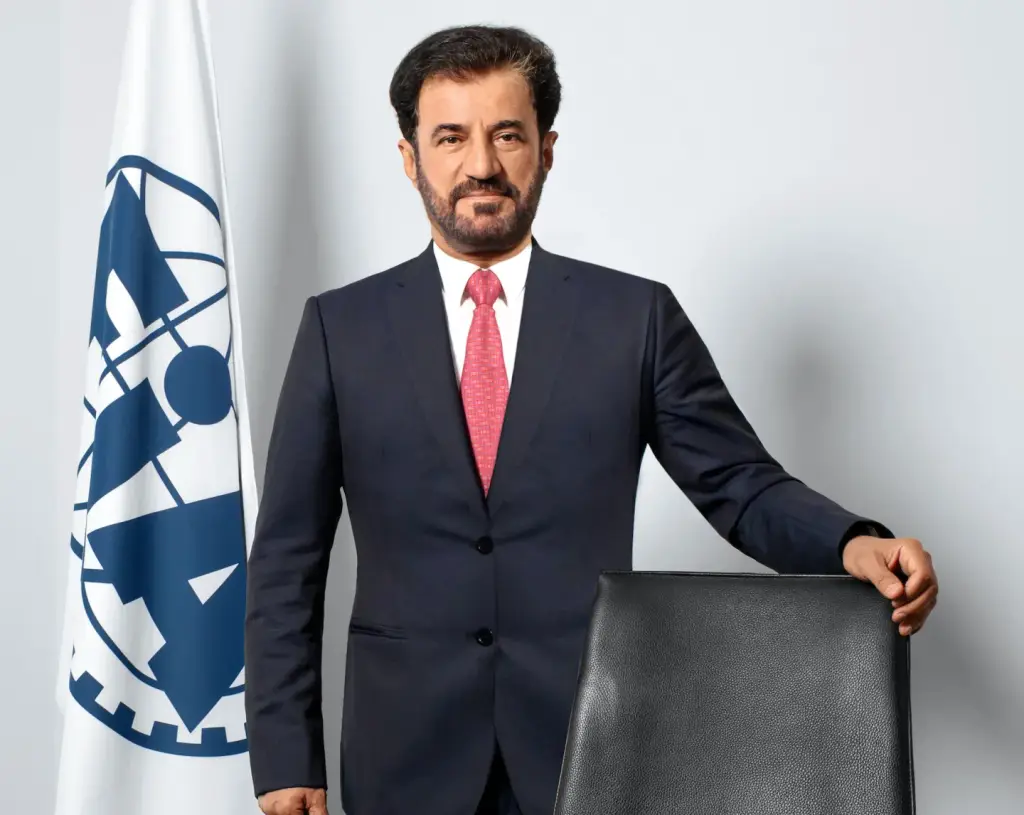
The clearest sign that this is no longer a fringe complaint arrived in March. The FIA President received a letter signed by the entire grid, calling for an independent review into stewarding consistency alongside a broader re-evaluation of race direction and sporting regulations.
It was not a request for one overturned penalty. It was a request to examine the framework itself.
The Hungaroring meeting in July was a step, if not a solution. Stewards and drivers sat down to walk through the season’s flashpoints. The acknowledgement that Leclerc’s Spa move deserved a penalty, however belated, suggested the FIA is listening. A second meeting is expected before guideline changes are finalised for 2027.
That timeline matters. It means F1 enters the closing stretch of 2026 still racing under the same guidelines that produced this season’s contradictions. This requires meaningful stewarding reform pencilled in for a year that has not started yet.
Whatever shape it takes, the sport has already made clear what it is not: a simple matter of writing better rules. It is a question of who applies them, how consistently and whether F1 is finally ready to build a stewarding structure as professional as the racing it oversees.