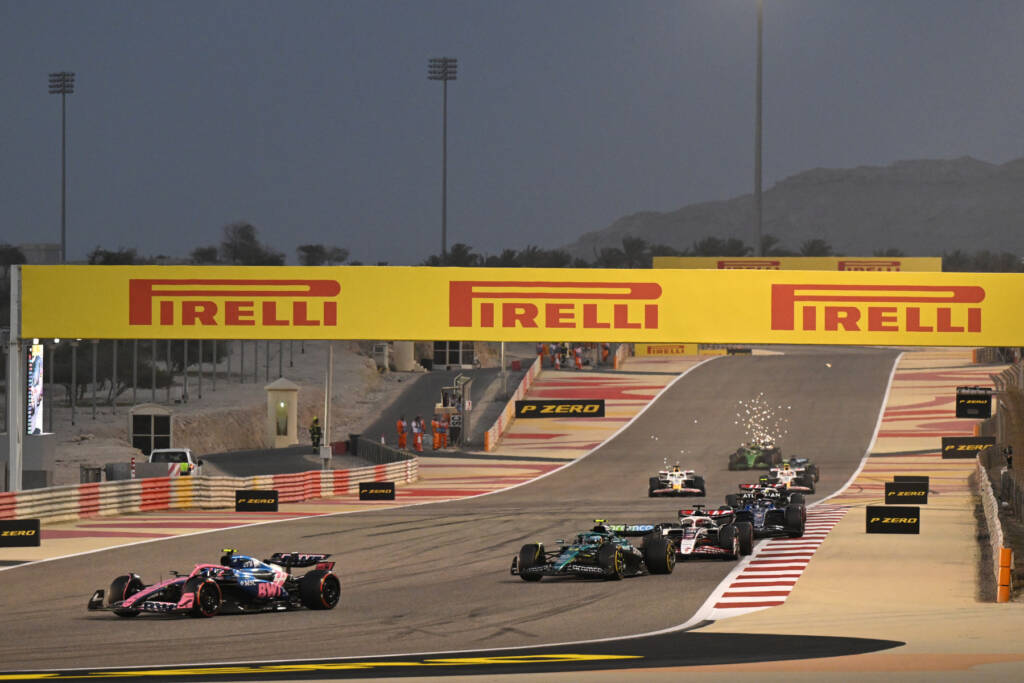
The Bahrain Grand Prix has long served as one of Formula 1’s structural reference points. Its usual position early in the season provides teams with a clear read on tyre behaviour, balance trends, and operational sharpness. Relocating the Bahrain Grand Prix to Malaysia changes the setting and the timing, but the race still functions as a meaningful indicator of competitive direction. Instead of shaping the opening phase of the year, it now sits deep in the calendar between Azerbaijan and Singapore, becoming part of the late‑season sequence that tests how well teams can sustain form under conditions that differ from the circuits that defined their progress.
Bahrain Grand Prix finds its footing in Malaysia
The move was driven by necessity. Regional conflict made hosting impossible, and the calendar required a venue that could absorb the Bahrain Grand Prix without disrupting the broader logistics of the season. Sepang offered an available slot, established infrastructure, and the operational capacity to support a full Grand Prix weekend with minimal adjustment. The event continues under its original name, but the competitive environment is shaped entirely by Malaysia’s circuit characteristics and climate.
Sepang’s return introduces variables that teams have not dealt with in nearly a decade. The circuit last appeared on the calendar in 2017, meaning that many drivers have no Formula 1 experience here, and several teams have never run their current technical philosophies at this venue. The Bahrain Grand Prix becomes an exercise in applying mature development paths to a track that does not resemble the ones that shaped those paths. This is particularly relevant in a season where competitive gaps have been defined by how consistently teams can extract performance across different conditions.
The relocation also shifts the Bahrain Grand Prix away from its traditional role as a baseline event. Instead of providing early‑season clarity, it now offers a late‑season checkpoint. Teams arrive with established strengths and limitations, and the weekend becomes a test of whether those patterns hold under conditions that differ significantly from the circuits that informed their models. The Bahrain Grand Prix in Malaysia becomes less about discovery and more about verification.
A circuit hosting a race that is not its own
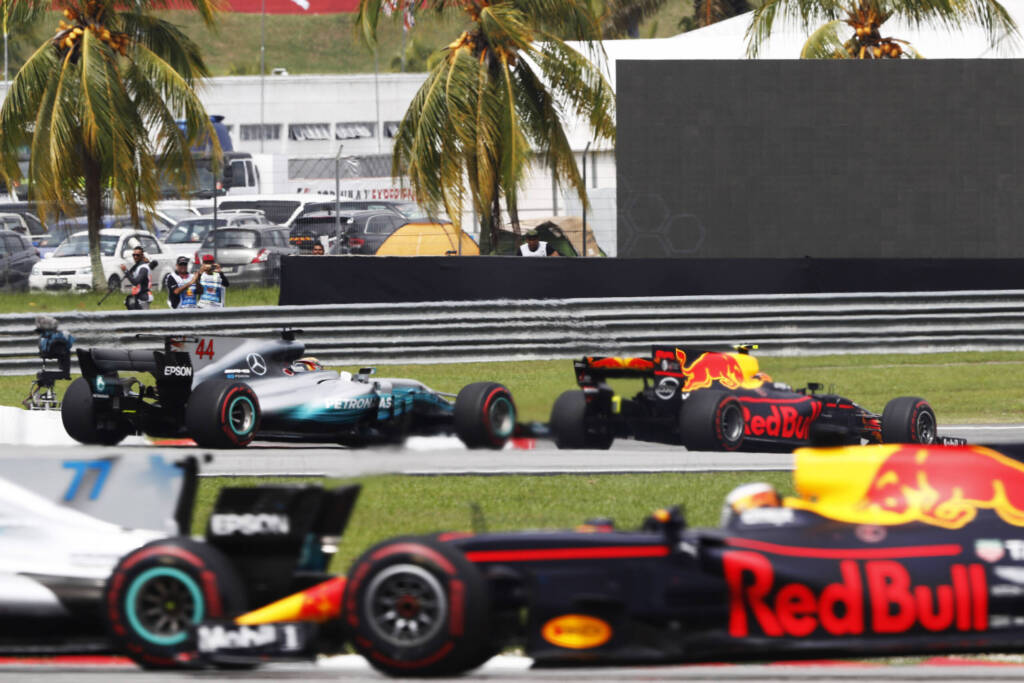
Sepang’s layout influences the Bahrain Grand Prix more than any cultural or symbolic element. The long, fast corners place different demands on front‑end stability and tyre preparation. The humidity affects cooling targets and forces teams to adjust their assumptions about component wear. The likelihood of rapid weather changes requires contingency planning across practice sessions and qualifying. These factors shift the weekend away from Bahrain’s typical patterns and toward a more variable competitive landscape.
This variability matters because of where the race sits in the season. By this stage, teams generally understand their competitive identities. Front‑running teams rely on stability and predictable execution, but Sepang’s unpredictability can expose weaknesses that have been manageable elsewhere. Midfield teams may find opportunities if their cars respond well to mixed conditions or if their operational groups handle transitions efficiently. The Bahrain Grand Prix becomes a test of adaptability rather than outright pace.
Drivers face a similar challenge. Those who manage tyre behaviour well in changing conditions often gain an advantage at Sepang, and the Bahrain Grand Prix amplifies this because the race is no longer framed as an early‑season calibration. Mistakes carry more weight while clean execution becomes more valuable. The weekend rewards drivers who can adjust quickly to a circuit that offers limited recent reference points.
Late season stakes in an unfamiliar setting
The competitive implications of the relocated Bahrain Grand Prix are tied to momentum. Late‑season races tend to reinforce existing trajectories unless external factors intervene. Sepang provides those external factors. A team that has built consistency across the European rounds may find that its strengths translate cleanly, while another that has relied on specific track profiles may struggle to maintain pace. The Bahrain Grand Prix becomes a measure of how robust each team’s development path has been.
For front‑running teams, the weekend offers a chance to consolidate position. Strong performance at the Bahrain Grand Prix in Malaysia signals that their systems work across a wide range of conditions, which is valuable as the season approaches its conclusion. For midfield teams, the race provides an opportunity to disrupt expectations. For those at the back, the weekend becomes an exercise in operational discipline. Even if competitive limitations remain, clean execution at a circuit that demands adaptation can influence internal evaluations and planning for the following season.
The fans in Malaysia experience a Grand Prix that is structurally Bahraini but operationally Malaysian. The event retains its name and purpose, but the competitive story is shaped entirely by the circuit and the season’s timing. It becomes a demonstration of how Formula 1 maintains continuity even when geography changes, and how a race can be relocated without losing its relevance to the broader championship.
The Bahrain Grand Prix in Malaysia ultimately functions as a late‑season evaluation point. It shows how teams respond when familiar baselines are removed, how drivers manage conditions they have not faced in years, and how development paths hold up under stress. It is a borrowed home, but it remains a meaningful part of the season’s structure, offering clarity about where each team stands as the calendar approaches its conclusion.
What to expect this weekend
The Bahrain Grand Prix in Malaysia is likely to produce a weekend shaped by variability rather than predictability. Teams will focus heavily on cooling management and tyre preparation, and run plans may shift quickly if weather changes. Qualifying could be influenced by track evolution, especially if rain affects earlier sessions. Race strategy will depend on how quickly the circuit dries and how well teams can manage tyre degradation in humid conditions.
Expect front‑running teams to prioritise stability, midfield teams to target strategic openings, and drivers to place greater emphasis on adaptability than outright pace. The Bahrain Grand Prix may not resemble its traditional form, but it will still provide meaningful insight into how the season’s competitive order holds up under unfamiliar circumstances.
Further track analyses are available under the circuit profile tag.